Val Loses Andreas To A Skateboarding Accident

 Apple Podcasts
 Spotify
 Castro
 RSS Feed
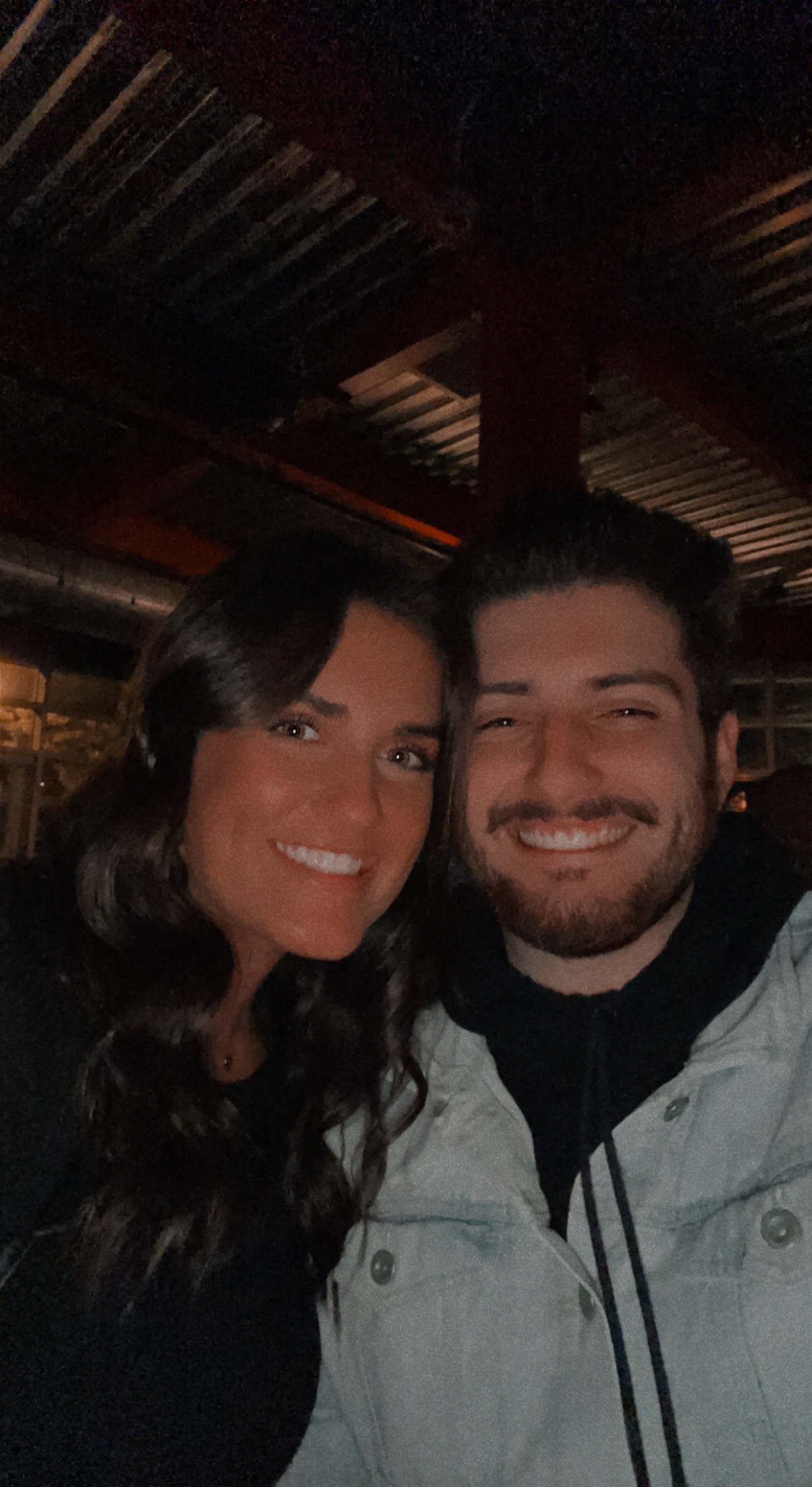
 On Episode 8 of Season 9 of The Surviving Siblings Podcast®, host Maya Roffler is joined by Val Lentini, a surviving sibling, who shares the story of losing her brother Andreas—“Andy”—to a tragic skateboarding accident just weeks after one of the most meaningful milestones they shared together.
Val takes us back to her childhood growing up with her only sibling, her younger brother Andy. Just two years apart, they spent nearly every stage of life side by side—attending the same schools, sharing activities, and building a bond rooted in both friendship and family. From basement hangouts and childhood games to navigating life milestones together, Andy wasn’t just her brother—he was part of nearly every memory she holds from growing up.
Their relationship was filled with the kind of closeness that comes from shared experiences, and even as life shifted into adulthood, that connection remained.
Just as life was opening up into a new chapter, everything changed.
Andy was out longboarding—something he loved and did often. A seemingly normal moment turned tragic when he fell and suffered a severe brain injury. What followed was a rapid and devastating series of events—hospitalization, life support, and ultimately, the unthinkable decision to say goodbye.
Val shares the shock of receiving the call, the urgency of rushing to the hospital, and the surreal experience of hearing medical terminology that didn’t match what felt like a “simple fall.” She opens up about the confusion, the unanswered questions, and the emotional weight of being in a position where decisions had to be made quickly, without time to process what was happening. She also reflects on the moments that followed—walking out of the hospital without her brother, navigating the immediate aftermath, and the strange, disorienting reality of life continuing while everything felt completely changed.
From eating at a fast-food restaurant just hours after losing him, to returning to clinical rotations and stepping back into “normal life” far too quickly, Val shares the layers of shock, survival, and delayed grief that followed Andy’s passing. As the conversation unfolds, Val speaks to the deeper layers of grief—the loss of identity, the process of becoming someone new, and the reality that grief doesn’t just take a person—it reshapes your entire life.
This episode is a reminder that while we may never fully “heal” from losing a sibling.
In This Episode:
(0:00:00) – Meet Val + Remembering Andreas (“Andy”)
Val introduces her relationship with her younger brother and their deeply connected upbringing.
(0:02:00) – Growing Up Side by Side
Sharing schools, activities, and nearly every stage of life together.
(0:06:00) – College + Staying Connected
Navigating time apart and the meaningful experience of attending the same university.
(0:17:00) – The Day Everything Changed
The longboarding accident and the sudden shift into crisis.
(0:20:00) – Hospital + Medical Reality
Processing complex injuries, brain trauma, and the reality of the situation.
(0:22:00) – Saying Goodbye
Navigating life support, brain death, and the unimaginable decision.
(0:33:00) – Walking Out of the Hospital
The surreal experience of leaving without him and facing the outside world.
(0:37:00) – Life Continues Too Fast
Returning to clinical rotations, career transitions, and suppressed grief.
(0:40:00) – Losing Yourself + Becoming Someone New
How grief reshapes identity and forces personal transformation.
(0:43:00) – Carrying Andy Forward
Adopting his mindset and keeping his presence alive in everyday life.
(0:47:00) – Sitting With Others in Grief
Why presence matters more than words—and how to support someone grieving.
This episode is sponsored by The Surviving Siblings®
Connect with Val:
Connect with Maya:
-
Podcast Instagram: https://www.instagram.com/survivingsiblingspodcast/
-
Maya's Instagram: https://www.instagram.com/mayaroffler/
-
Twitter: https://x.com/survivingsibpod
-
Website: thesurvivingsiblings.com
-
Facebook Group: The Surviving Siblings Podcast
-
YouTube: The Surviving Siblings Podcast
-
Patreon: https://www.patreon.com/TheSurvivingSiblingsPodcast
Welcome to the Surviving Siblings podcast. I'm your host, Maya Roffler. As a surviving sibling myself, I knew that I wanted to share my story, my brother's story. I lost my brother to a homicide in November 2016, and after going through this experience, I knew that I wanted to share my story and his story.
And now it's your turn to share your stories.
Today I have, of course, another incredible surviving sibling with me. I have Val with me today, who is going to share about her brother and losing her brother almost four years ago. But really crazy thing that happened here, guys, her brother has the same name as my brother, okay?
Her brother is Andreas, and you are probably the [00:01:00] first person, Val, that I have met or has applied to be on this show that has a brother named Andreas. So- Mm-hmm ... welcome to the show. We already have a deep- Thank you ... connection. Yeah. Yeah. Tell- I don't know that I've ever met another Andreas either, so that's really funny.
Yeah. Yeah. I mean, funny, funny story before we get into it, guys. So I, just to share this with you, Val, and everyone who cares about names, 'cause I think it's kinda cool no one else that's applied to be on the show has had the name Andreas, so that was crazy. And then you reached out to me, so I was like, "This is a sign."
Like, we have to connect. And we've never shared the type of loss you're gonna share today too, which is perfect for our show. But more importantly, yes, I think there's a lot in a name. And one of the first times, like, I... I've known Andreas as kind of, like, in the public eye, but, like, never, like, met them. And I was on an anniversary trip, and I was really struggling.
This was a couple years ago. And I... It was 'cause it was around my birthday time, and I [00:02:00] was really str- and we have the same birthday, my brother and I. And I was just like, "I kinda, like, need a sign." And the server came up, I was in Mexico, and guess what his name was? Ah. That is so perfect. Yep. And I was freaking out.
And my husband at the time was like, "Oh, my gosh. This is so crazy. She's been really, like, down and sad today." And I'm like, "Yep." And so Andreas was our server, and I just wanted to stay at that, like, bar and restaurant all night, and we kinda did and hung out with him. So it was pretty, pretty cool. So- That's awesome
take us back in time, Val, and tell us a little bit about you and Andreas. Tell us about your family. Before we hit record, you were telling us that you guys have an Italian background. That's where these- Yes ... kinda names kinda came from. But tell us a little bit about you guys. Did you have other siblings?
What was your family dynamic? Kinda tell us what it was like growing up together. Yeah. So Andy was my only sibling. Um, he's two years younger than me. And I feel like we got a really unique opportunity [00:03:00] to grow up together, because there was really only one year ever at a time that we weren't in the same school.
We did a lot of the same activities, and we were always there to support. I mean, obviously, as siblings, you have your, your times where you're getting into it and you hate each other. But because we were so close in age, I just feel like we went through a lot of life together, and we hit a lot of milestones together.
My, my parents were really great about keeping us involved teaching us how to love one another because that relationship is not a relationship you share with anyone else. And we went on family trips every year. We learned how to ski together. We'd drive to school together. We would see each other in the hallways.
So it was just... I don't feel like I really appreciated our relationship at the time, of course, but it was just really cool that we weren't exactly the same age, but we definitely spent a [00:04:00] lot of time creating the same memories. And when you're not hanging out with friends like that, that... He was my friend, you know, hanging out in the basement, playing Wii, like, just, you know, hanging out.
I have really, really terrible photo shoots that we took in the basement together. Oh, gosh. Yes. And it's, I mean, it's fun and hard at the same time 'cause there are so many memories that we only shared together. And so I can tell other people about them, but there's no one to really reminisce about those memories together.
Um, but I still hold them very close to my heart and I'm very grateful for them. Yeah. I think, oh my God, that makes me laugh so much because I remember, like, my siblings and I doing that kind of stuff, too, like shooting, like, music videos- Yes. ... and taking, like, picture and, like, you know? God, all that stuff.
And, like, you can't, like, you can, like you said so perfectly, you can tell other people about it, and you can remember it. And, like, [00:05:00] even I'm sure you can tell your parents about it, and they're like, "Oh, yeah, I remember you guys were playing in the basement or doing whatever or running around outside." But it's so different to, like, look back as, like, an adult and laugh with your sibling.
You're like, "This was so funny that we did all of this stuff," right? It's so- Yeah ... it's such a special thing. But, you know, like you said, too, like, you don't always get along perfectly, but having siblings, especially close in age, too, when you have them close in age, like, they're your first friend. They're your first enemy.
They're your, they're your first sleepover. They're your first everything in that kind of friendship capacity. So yeah. Yeah. And, and spending so much time together as a family as we did, he, I mean, even memories where it wasn't just the two of us, like, he's in almost all of my memories. And whenever I think about my childhood, I can't think about it without him.
Even from young childhood through high school and co- like, he was there for all of it. And so, anything, like, nostalgic or I've [00:06:00] always been a very nostalgic person, but nostalgia becomes a very different emotion when that person that you lost was so involved in all of those nostalgic things.
So that's difficult to look back on things. And even if it wasn't directly related to him, I'm always thinking about, like, c- old computer games or, like, things that happened in school. Like, I am constantly being like, "Oh, I need to tell Andy about that." And I still can, we just don't get to have a conversation about it.
Yeah. Yeah, I get that too. I do. Tell us a little bit about what life was like. So you're two years older than Andy. Mm-hmm. Well, that's a hard thing too, right? It's like, yeah, that time that goes on. So, but, so you must have gone off to college, right? Mm-hmm. So Val, you went off to college. Andy was still in high school.
So w- what was that like when you guys... 'Cause you had really [00:07:00] been together, and like you said, most of your memories were, when you're only two years apart, most of your memories are together, right? Yeah. So how was that dynamic? Did you go to school close by, or was that difficult? Like, what was that dynamic like?
It was a little tricky. I was only, I was two hours away, so I wasn't super close. But when my parents came to visit, uh, Andy came with. If I went home, like, I went home pretty often because two hours is enough to be separated from family, but it's not too far that you can't take rides home. So I did see him a decent amount.
And I think, you know, you get wrapped up in the nuances of college. You're like, "Oh my gosh, this is a brand new thing." Like, you're making new friends. Uh, but I think some of the funnest times that I have are when he came to visit and stay with me, and then it's was very sweet. He probably wouldn't admit it, but my parents think so, so he ended up going to the same school.
So he kind of followed in my footsteps, which was even more special because [00:08:00] then I got to share this place that I really loved with him, and he got, I got to watch him create similar memories. And he even, he was the next dorm over from me and, or the one that I was in my freshman year. So there's only three of those buildings on campus, and he happened to be in one of them as well.
And so even going in to move him into his dorm, I was like this is exactly how my freshman experience went," and just watching him make really special friends and relationships. And we didn't see each other all the time. We kind of had one of those relationships where we really didn't talk all the time, we didn't see each other all the time, but no matter what, we were always gonna come back together and have a good time.
So we would drive home, back and forth from school together and have conversation. Even when we had separate cars, we would drive to and from together, and he would kinda follow me. And even though he was my younger brother, he would make sure that, like, I was safe and no one was messing with me. So [00:09:00] it's, It was a little bit tough at first, but I think once I found out that he was gonna be following me, I knew, okay, so I'm gonna have him close by.
Yeah. Oh my God, I d- I'm so glad. I don't know why I just felt like I had to ask you that question, and I had no idea you went to the same school. That's so weird, but cool- I, yeah, it's not- ... that I knew to ask you that. Like, that's really cool. I know. I'm like, what made me... Like, d- I don't always ask that, but because you guys are so close in age, I was like, what was that dynamic?
That's really awesome you went to the same school. I would've loved that if my brother came to the same school as me. We were three years apart. Well, we were actually four years apart in school. Mm-hmm. So we never were in the same school, and that's what people are always like, "Well, what?" I was like, well, I was young for my grade, my brother was old for his grade.
So technically he was a freshman when my other sister was a senior. So- Mm ... I had already... He was a freshman. We were always the same, like he was a freshman in high school, I was a freshman in college. So it was like- Got it ... oh, I always would've loved to go through that experience. Oh, God. So I'm a little jealous of you there.
That would've been really cool. It was. Yeah. It was really cool. It was, it was [00:10:00] very special, and just to kinda know that if I was, like, in the area and that he lived in, like, "Hey, you wanna grab lunch?" Like, "Can I stop by?" So yeah, it was, it was really special and definitely, I mean it, like you said, not something that everybody gets to experience, so I'm always very grateful for that.
If you've lost a sibling, trust me, I know exactly how you feel. I'm Maya. I'm the host of the Surviving Siblings podcast, but I'm also the founder of Surviving Siblings Support. I know that going through this experience is extremely difficult. Whether you've lost a brother like me, a sister, or perhaps more than one sibling, trust me, we know exactly how you feel.
So that's why I started our Patreon account. You can click below to find out more about our Patreon. If you join our Patreon group, it'll give you just a little bit of extra support that you need along your journey as a bereaved sibling, or as we [00:11:00] like to call it, a surviving sibling. We offer monthly support groups.
We offer a free copy of our grief guide that is actually found on Amazon. It's called The Grief Guide for Surviving Siblings. We also offer direct messaging to our community and to me for extra support, and we have incredible events. We have workshops throughout the year that you'll get access to, and you'll also have access to our summit that happens annually and so much more as you'll connect with a community of surviving siblings that understand the journey, the journey of losing a sibling.
You can click below to join us today and also check out some additional VIP features that we offer. I hope to see you in the group, and until then, keep on surviving, my surviving siblings.
Yeah. I'm sure even, even more so today, right? You look back on that and [00:12:00] you're like, "Oh, at least, you know, we had that time together." Like, as we start to think- Right ... you know, we look back, and hindsight's always 20/20 and all of that fun stuff that we go through and loss. But, you know, you said something too that is interesting, how you were like, "My brother was younger than me, but he always wanted to make sure that, you know, I was safe," and I think that's a br- just a brother thing because- It is
my brother was three years younger and, like, he, and he had three sisters, right? And so he would te- this poor guy, um, he would tease us all, like, relentlessly, but at the end of the day, he has two older sisters and, you know, a younger sister, and I'm the oldest of, of the four of us. And- Mm ... he was like that too.
He was like, "I can mess with my sisters, but no one else can." And it's- Right, I'm the only one. Yeah. Yeah, and it's interesting because it, I don't feel, think really age matters with guys, right? Because it's like a brother. Yeah. And so they f- you're their sister, and, like- Right ... they're protective of you. And so sometimes people are like, "Really?
He was like that even though he w- " I'm like, "Yeah. Yeah, yeah." Goofy and silly still because [00:13:00] he's younger- Of course ... but still protective. So yeah, I'm glad to know I'm not the only one who had an Andy in her life that was like that. So- So crazy. Yeah, it is crazy. It is crazy. And for those of you listening so her Andreas went by Andy, like, consistently, but our little inside nickname for him, my brother, was Andy.
It just wasn't as, like, public that we talked about it. So it was when- Val and I connected and she was like, "Yeah, my brother's name is Andres," and I'm like, "And she calls him Andy. This is so cool. So cool." So tell us a little bit about your brother. So did he graduate college? Because I know he was quite young, and then we'll talk about how you lost him, unfortunately.
Oh my gosh. But had he graduated by the time, or, uh, 'cause he was 22 when you lost him. I had- So tell us a little bit about that, and then we'll get into what happened. Yeah. So I actually, I actually do really love telling this story. So two weeks before he passed he had to take a break from school at one point because he had got [00:14:00] diagnosed with cancer.
Um- Mm-hmm ... and so he took a semester off, which was terri- it wasn't anything crazy, but you know, just something that really shook my world and that is an interesting pl- thing that plays into our story because I had already kind of worried about losing him back then. But then, you know, never would've thought that it would happen a completely different way.
But, so because of that, even though he was only two years younger than me, I was finishing my graduate program the same time that he was graduating from his undergrad, and so we got to walk at the same ceremony. And that was almost two weeks before he passed. So he did get to graduate. Um, he technically wasn't done with his classes, but our university was so gracious and still sent us his diploma.
And we have graduation pictures together, and we went out to dinner as a fam- so like, [00:15:00] as hard as it is that those two things were so close together, I, I just really could not imagine not having those memories. We kind of finalized that chapter together, and of course I wish every single day that we got to start a different chapter, but like we did almost get to put to rest that chapter, and I'm so proud of him.
Like, if I, just to get, be able to see him get to do that was like the coolest thing. Yeah. Of course. Oh my gosh. W- the layers just keep peeling back on this story. He was diagnosed with cancer. Oh my gosh. So when he was go- walking in graduation with you, uh, was he, was it in remission? Was he past it? Was he still scared- Yes
that it was, okay. Okay. It was a really mild form and it was really easily taken care of, so he was probably up until everything happened, p- one of the like luckiest, invincible people I had ever met. Like [00:16:00] six mm- five, six months before he passed he had appendicitis and he had to get his appendix taken out.
So like just this like things would happen and he would survive them, and it was like You know, how, how did he even get through that? And he was so, I was so proud of him during that time because I know that it affected him a lot, but he handled it so well. And to have to take a semester off and then get back to school, even though he hated school after something like that, just, it always blows my mind.
But to answer your question, yeah, so he, I think they had taken care of it within like a six-month time span, which he, and he's so lucky because so many people are not. And so when we graduated, that was all taken care of. Like, and that just makes the story, like, even sweeter because you got to, like, really be in the moment and be together and also [00:17:00] bittersweet because you, things were looking up, and then two weeks later, he gets in this accident.
So tell us what was going on. What happened? Yeah, so, Andy loved to longboard, um, if anybody doesn't know. So, like, it's just a really long version of a skateboard, and he was so good at it. Him and his friends would stay out till, like, 3:00 in the morning and longboard. The craziest part, so we were in a downtown area, hills and, you know, curvy streets, and I have videos from his friends of them just, like, out under the streetlights longboarding.
And so it was something that he was very proficient at. And so it's still a little bit hard to understand even four years later, um, as I'm sure most stories are. But so I was on, so we grew up in Michigan. I was on the east side of the state doing a clinical rotation. And he was just enjoying being graduated, and he was supposed to start his last [00:18:00] summer class, and I guess he was out with one of his friends on, like, a real- relatively normal street.
I haven't pressed this friend on it just because I just can't imagine having to have been there with him. But
From what I have heard, him and his friend were just out longboarding just to get out and get some fresh air. Uh, had- they had plan- he had plans with his girlfriend later that night, like, was just, you know, out for a run, and it was, from where I now know that it happened, a seemingly very normal road for what he was normally used to.
And I guess somehow he misstepped or, you know, maybe hit a crack in the road, but he fell back and hit his head. And from what his friend had mentioned, w- it wasn't great. And so he had to call an ambulance, and ultimately, a few days later, he, [00:19:00] um, he suffered a severe brain injury and that's how he passed.
Um, but I was on the other side of the state, and so my mom got a call from the hospital saying what had happened. I had the day off from my clinical rotation, and I'm at the gym, and I get a frantic call from my mom, "Andy hit his head. We have to ... You, you have to come home." I was like, "W- what?" And I packed up all of my stuff and met my parents at home, and we flew down the expressway just, like, begging people to get out of our way, which now I have a lot of grace if I see speeders on the expressway, because obviously we probably looked like crazy people.
Yep. But we finally get out there, and his friend who was with him and his girlfriend are in the waiting room of the hospital, and we still don't really know what's going on. Because he was over [00:20:00] 18, the hospital wasn't able to provide a lot of information for us. We just knew that he was getting some testing done.
And we waited a little while, and the neuro ICU doctor came out and asked my parents and I to come into a room with him. And he kinda said, "You know, I'm here to give you Andy's state right now. Do you want to hear all of his injuries, or do you want me to just tell you where things are at?" Uh, my mom is a nurse, and being in a healthcare graduate program, I had some idea of maybe what was going on, but he listed this laundry list of injuries that made absolutely no sense to me, because he had just fallen off his longboard.
Like, it didn't really make any sense. And he ended that list with that Andy didn't have any brainstem [00:21:00] reflexes, which are ... That's the part of your brain that functions for, like, your vital funct- so, like, heart rate, blood pressure, and things like that. And so those reflexes are tested to see how well that part of the brain is working, and his was not which just kind of, like, sunk me.
I could see my dad, who has no medical background, not really sure what was, but, like, obviously knows it's bad. And I just ... I don't really remember much After that I really don't even remember, like, how we got from there to the room with Andy, but ultimately he he was on life support. He never w- was conscious again.
Um, and so we spent two days with him in the hospital in the ICU. And then they had to tell us, "Look, it, those, the injuries are unfortunately too bad." And so we decided to take him off life support, and that was ... It happened on a Tuesday, and Wednesday night, uh, we kinda [00:22:00] said goodbye to him.
Which is so hard. Hard. I know. Like, I, um, I didn't ... Like, obviously we lost our siblings in different ways- Yeah ... but I didn't realize that we had, like, that in common. What I think is really difficult is when you have to make that decision, and then I think ... I just can't imagine, like, especially for you and your mom, because you're, like, you guys have medical backgrounds, and so you're understanding this.
So you're hearing all of these injuries. I mean, it must've just been so jarring to just sit there and, and go through all of this and hear this, because I know in my experience, even though I lost my brother in a different way, it was just like you, you find out, you get a call, and then you're just like, there's no hope for them.
Like, it's so, our stories are very similar. It was very, very fast- Mm-hmm ... and we s- we spent almost three days in the hospital with my brother. I believe it was three, three days, yeah, 'cause my dad had to come from Africa, which I've shared on the first season of the show. And so, you know, that's the only reason we kept him on life support.
They couldn't operate on him. Very similar in that sense. [00:23:00] Yeah. Inoperable, right? There was nothing. That's kinda what they were telling you, right, Val? Yeah, yeah. Yeah. But, but you are sharing how you were so surprised by the laundry list of injuries for this because you're understanding it, your mom's definitely understanding it.
So did they confirm this was all from the skateboarding accident? Was it just that bad of a fall, or do you, are you feeling like you're always gonna have questions around that? Where are you with that and what did you find out? Yeah, that's, that's a great question. I was actually just talking to a friend about this the other day.
We have answers that we feel like we're okay with. I don't ... i'm really the, I'm really never going to press his friend about it because I can envision what it was like, and I don't want him... I'm sure he relives that every single day. Mm-hmm. And so to make him kind of re-explain that to us, I just, I don't necessarily feel the need to.
But they did, I mean, they did tell us that [00:24:00] it all came from a ... He must have fallen in a way because from his head down he had no scratches But he had injuries to his lungs. He had multiple facial fractures. He had injuries to the arteries from his neck up to his brain, which is ultimately what led to a lot of swelling and lack of blood flow to that part of the brain.
That was really kind of, I think, the most severe. But I still kind of occasionally think I don't quite understand, because we had just gone through a semester in school talking about neurologic injuries and brain injuries. And I remember us talking about, you know, car accidents and, like, really bad accidents where I don't remember us mentioning that many injuries.
And so it, I, for me, I don't have the full answer, and I don't know that I ever [00:25:00] will. Um, but, uh, yeah, it was just ... It was really hard. I felt very confused. I just, I don't remember much of it, but I remember listening to the doctor and just being so confused, like, "Why is he still going? Why is he still ma-..." And then in the middle of it, like, "Well, wait, how did his lung...
And then hold on a sec. That was injured?" And, like, it just... And I think a lot of it, he had a lot of swelling, which was very apparent in the hospital, uh, which was tough. It's an image you never get out of your head. I totally relate. And- Yep. Yep. Mm-hmm. So to answer your question I don't know that we have a full answer.
I don't know that anyone really truly described what they thought medically necessarily. They, we just knew that they were trying ultimately trying to get the swelling down and then realizing that it was just continuing to worsen. And that, like you said, they, [00:26:00] they couldn't ... They were originally going to do an operation, and then the swelling got so bad that they didn't think that they could.
And then that just kind- They ultim- So this might be a little bit graphic, so I apologize, but in- That's okay. You wa- you warned us. Share. Yes. Yeah. In that state they have to do brain death testing. Mm-hmm. And they have to go through two rounds of that. I thankful- I was not in the room for the first round.
I was there for the second round. We were taught all of those things in school that they were testing for. And then the cause of death was brain death. Um, so once they confirm that second part of the testing, then they, that's time of death. So we, we kind of had the decision to, to take him off life support, but they also It also partially wasn't our decision- because they had called time of death, and that's kind of h- how it is. And I know that my mom holds a lot of guilt about not pushing harder, [00:27:00] that I have to remind her there's real... I mean, it makes sense to me that there really wasn't anything that they could do. Yeah. Yeah, but I understand why your mom would feel that way, and I think it's really great and so wonderful that you can be there for your mom and say, "Look, Mom," like you're that kind of voice of logic.
You're the person that was there, obviously your dad as well, and you can... You guys can be like, "Look, you didn't have a choice." Because I, God, I didn't realize we lost our brothers in different ways, but I did not realize that we had a lot in common in this- Yeah ... 'cause it was about the same time we were in the hospital.
I mean, my brother, most of you guys know, my brother was shot and so, and it was in his head, right? Of course. So there was no way they could operate the way it was lodged. There was no way. Right. You know, they did the same thing. They gave a time of death even though he was still on life support. Mm-hmm. Um, I mean, they were just like, we were really just keeping him on life support so my dad could say goodbye w- Right
so that we had time and, um, [00:28:00] so that he could be an organ donor, right? Like, those were the reasons why. Right. So, you know, I, I connect with you on that, but you do... Like, it plays tricks on you. So I connect with your, your mom too because you do, and I'm sure you go through this too, but you can just... It's always easier to be logical to another person than to yourself.
So, like, when you see- Right ... your mom saying that, isn't it easier for you to be like, "But Mom, th- you had no choice"? Right. Like- Right? Yeah ... and y- yeah, without having to go through w- all of the reasons why. And I th- it was, I think she carries the most guilt because she was the one that was having to make the decisions because my dad, I mean, my dad was there, but he just really didn't know what was happening.
And so I just, I always hate that it fell on my mom, and I tried to help her make those decisions as best as possible. But I'm sure you know, like, those, it just all happens so fa- It's, like, such a blur. And then once it's done, you look back and you're like, "Well, could I ha- Could these decisions have been changed?"
Like, [00:29:00] um, was there anything that we could have pushed for? But ultimately, I mean, it, in both cases it just kind of ends how it, it is. Yes. And you almost don't wanna drag that out any longer. Mm-hmm. And I'm sure there was a l- I mean, I'm sure it was hard for you guys to have to wait for your dad to come in and just sitting and kind of waiting for the inevitable, which is a little bit of ki- what I felt around that second day when they started to give us more information.
And it, you don't wanna lose hope, but sometimes it's hard not to. Yeah. I mean, it's, and there's, I mean, 'cause there, at the end of the day, there's medical facts, right? Right. Like in, in your story very much, in my story very much. And you, as much shock as you're in and, and as much as this is a whirlwind, your brain can start to process those things.
And you're like, "Okay, there is really nothing we can do." But just like what your mom has experienced, I'm sure you've experienced this, I'm sure your dad's experienced this where- Yeah ... you're like, "But could we have..." You know, 'cause hindsight's 20/20. It's a saying- Absolutely ... for a [00:30:00] reason, right? And like- Absolutely
it's also a lot easier as you move away from, from this, right? And you're not in a hospital, and you're not... To look back and be like, "If I just stayed one more day," or if I just... You, like you start to kind of- Right ... it's a part of the grieving process, to be honest. I mean- Absolutely ... that's what we talk about here.
Yeah, absolutely. It's a part of it. It i- I mean, you, you can't help but run through the scenario a million times. Mm-hmm. And it, even, no matter how long it gets, you might not think about it as frequently, but it still comes back. And it's so easy to let your mind wander into the what ifs. But you just you miss your sibling or your loved one, and you kinda just have to go through the process of there's n- there's nothing that we can do now, and I know that he's in a place where I will see him again.
Um, and until then, like he, he lived his best life. I was telling this to my friend the other day. I don't [00:31:00] think, I mean, obviously it wasn't fair for him to die at 22, but I think that if, if he, I was able to talk to him, he would say, "Well, yeah, that really frigging sucks, but like, I, I fell in love. I had amazing friends.
I lived my life freely." And I think that he would have been semi okay with how things happened. So I have to remind myself, you know, you got to see him do a lot, and there's a lot of things you won't get to see him do, but you really, I mean, I, I cherish what I got to see him accomplish. I feel like you're so wise beyond your grief years, Val, which is why you came on the show.
Because it's not, you know, sometimes it takes people a while, right? To kind of get to where you are with it, and that's why a, a big message of our show, as you know, and everybody listening, it's everybody has their own timeline, right? Exactly. I mean, you're just shy of four years, and I feel like, I mean, you've [00:32:00] got a lifetime of grief that you're gonna experience.
You're gonna, you're gonna experience highs and lows for sure. But I really love what you just shared because it was something I was wanting to consciously It due right away, and I even wrote it in my brother's eulogy. I said, it's so weird. We have so many commonalities in our story. I was, I said this in his eulogy because I wrote it.
Of course I did. Of course I had to write and talk. You know me, I gotta talk. So, um, I- one thing I remember just pouring down tears and I'm writing this, and I was like, "You know what, guys?" And this makes me emotional. I said, "You know," I, I don't, I actually read it on the show, so if you guys have listened to season one, you've listened to it.
But i- in short, I said, "You know, I don't wanna focus today on the things that, like, he didn't get to do. I wanna talk about the things he did do." And I talked about his girlfriend. I talked about how he was in love, too, so I just... It was so... And how I was grateful for her. She was there, [00:33:00] obviously. And, um, you know, it's I talked about all the things he had done in his life.
And my brother was older than your brother, so I can't even imagine 22. It's so young. Like, you have their whole life ahead of them. But you know, my brother was 27. He hadn't gotten married yet. He hadn't really got- Oh, so young ... his career. Yeah, exactly. But I'm, I, like, I so connected with you when you gave that perspective because I, but I really, it took me years until I started believing that perspective.
That was the difference. So I'm gratef- and it's so interesting because when I recorded the first season and I read that, it, like, helped me shift more again into that- Yeah ... kind of mindset, 'cause I'd been so angry for so many years. And so- Right ... I just really, yeah, I just really commend you for where you are.
Thank you. And I think it's, I think it's really inspiring for everybody listening. T- go back just a little bit, if you don't mind, Val- Sure ... and share with us what was it like after you guys walked out of the hospital? Because I, that is such a big moment, and, like, how did you guys operate [00:34:00] now as not a, you know, not a foursome?
You're now a, you know, a, the Three Musketeers kind of working through this. Like, how... I mean, that's so tough. I'm sure you guys had a funeral or a celebration of life or something, and, like, what did you, what was that like navigating... I mean, that's, your whole life changed in a second, and it's tough. Yeah.
That, that is a great question 'cause it's such a weird time to look back on. So I think it was around 8:00-ish that they called his time of death. And so the staff was very gracious and they kinda said, "Look, we're gonna, we're gonna turn the machines off so you don't hear anything. Like, we'll let you know once he has passed but, like, please just sit with him."
And that w- that was such, it was such a weird feeling because I just [00:35:00] remember thinking, like, "We're just leaving him here." Like, how can we just, how can we walk out without-- 'Cause you don't you don't necessarily think going into it, obviously, that you're gonna walk out without this person. And I remember, like, asking the nurse, like, "Please take care of him," and then it was just like we left.
Mm-hmm. We walked out of the hospital. I-- even though I was living on the east side of the state at the time, I still had an apartment less than 10 minutes down the road from the hospital. And unfortuna- fortunately, but unfortunately, so I lived in a duplex, so I had half of the house. Um, and our neighbors had just recently moved out, and I convinced Andy and his girlfriend to move in.
Oh my gosh. Um, so a week prior, my mom had come up to move Andy and his girlfriend in, and then a week later, [00:36:00] we were moving their stuff out. But we went and stayed at my apartment that night. And then we woke up, and my parents were already calling people and, like-- Oh, in between leaving the hospital and, uh, going to my apartment, we all looked at each other and we're like, "We haven't eaten anything."
And this was the most bizarre thing. We liter- we went to McDonald's, and the person's asking us like, "Oh, how are you?" Like, "What can we get?" And we're just like, "What?" We just, I don't honestly really know how to describe it. It was just this weird-- That was probably the first feeling of like, oh, life just is continuing and we're in this parallel universe, but we're also still here kinda thing.
But we had to get food, so we got food and then, like I said, the next morning I woke up and my parents are already calling people. And I was just, I just kinda remember [00:37:00] being like, "I don't know what I can do." And then I think that afternoon we went back to the east side of the state. Um, a week later, we had his funeral.
And I was in the middle of a-- That's, there's just so many, like, layers to this the more I talk about it, 'cause I still hadn't finished yet. So I in- I was two days into my clinical rotation, and my school was great enough to let me take two weeks off. But they said, "Look, we really hate to do this, but if you take more than two weeks off, we're gonna have to push back your clinical rotation."
So I had to decide do I have the capacity to do 18 more weeks? of clinicals or do I wanna push this back? And I think at the time, I'm glad that I made a decision to continue because I don't, I was in so much shock at the time that once the grief started to set in, I don't know [00:38:00] that I would have gone back.
And then- Yeah ... that whole seven-year process of getting to this point would have been for nothing. But I was at a hospital for my clinical rotation, so two weeks later I went back to my rotation at the hospital, which was really hard. And then we, after that I took my, my board exam and, and I just, it, it was weird because obviously there's so many different nuances to grief, and as you're going through this process, looking back I'm like, "Well, I was in shock for a lot longer than I realized."
Yep. And then all of a sudden life continues and I'm, I take a month or so off, but then I'm starting a new job and I'm moving to a new place. And r- li- unless you take the time for yourself, life really does not give you a chance to grieve. Yeah. But it's very difficult to take time for yourself when life is so [00:39:00] fast-paced and things are just flying at you.
I think it felt a little bit more for me just because I wasn't in a steady chapter of life at the time. Yeah, you had so many firsts and new things happening. You're this young woman, like, finally, like, getting into her career after all this school. Like, we all know what that moment is like for us, and it's super chaotic and everything is new and you're moving.
New place, new job, new, like, new people, new friends. I mean, it's new everything, and you just had a hu- like, one of the con- most constant things in your life is gone. Like, that's hard. Yeah. It's really, really hard. It really sucked. I do think that it's hard to regret any of it because it all, things all kind of happen, and maybe you're not super intentional about how they happen.
But you just kinda, you make it through it, and so I am glad that I kind of pushed through. I am ... You know, you deal with a little bit of the, like, after [00:40:00] effects if you just push through things. But yeah, it was just, it was a lot of new things in life and then trying to also be a new person, which is something that I've had to come to terms with in grief.
Like, that old self is y- that's not you anymore. Mm. That person doesn't really exist. And so then now also having to grieve myself and grieve all of the people that loved Andy, and then also say, "Okay, well, like, who am I as a person now?" I think- That's one of the things that not a lot of people realize about grief, is that you didn't just lose someone.
Yeah. You lose a lot of things. You lose yourself, but then it doesn't... It's not just they passed away and you were sad, and then life goes on. And I think that I'm glad that people who have never lost anybody don't know [00:41:00] that. Mm-hmm. Like, I would really prefer that people don't know that, but unless you've experienced it, you just don't really know all of the in-depth things that go into grief.
Very true, and very well said, Val. And I think I, I mean, 100% I agree with you, but I think a lot of people on the outside don't understand that's why people grieve for life. Because you're, there's new things that come up as you start moving through the grief process, and then in addition to that, you're just rediscovering yourself.
So I would ask you, Val, how do you think you've changed after loss? Like, what is... w- 'cause I, when people ask me that question, at first I was like, "I don't know how to say that." But almost 10 years- Right ... into this I know how it's changed me. Yeah. And there's things for better or for worse, right?
Like, that- Right ... it changed me into, and I tend to just try to embrace, like, the better things, right? Like, it's, it's made me much more empathetic. It made me a little bit s- softer. You know, I'm a business gal, so I mean, I'm always gonna be a little hardcore. [00:42:00] But it definitely made me softer and more empathetic and, you know, I could go on and on.
So I'm curious about your, like, how do you... 'Cause s- four years into this, you already recognize that this has shifted you as a person. It changed you. So what are the things that you would say you notice the most about this new version of yourself? I think this timing of me coming on this is really perfect in a lot of ways, but I have just gotten the t- re- time to fully start to reflect on things.
And so there are a lot of things that I realized throughout the last four years, but I just wasn't able to put words to. I, I definitely have, I've always been s- somewhat, I like to consider myself an empathetic person. But I now just have this extra level of empathy which is really cool because I feel like the best thing that has come out of it is that I now know how to sit with others, which I did not know before.
And I feel very honored to be able to ask [00:43:00] questions that grievers don't get asked, and, like, sit in uncomfortable situations which most people won't do because nobody likes to be uncomfortable and sad. Like, that sucks. But it's interesting that you said it made you softer because- In a way, I feel like it made me harder.
Mm-hmm, and that can happen too. Like, just- Totally. Mm-hmm ... which is, which sucked at first because I had lived 25 years of my life being this, like, soft, timid, anxious person. And I always used to tell people that Andy and I looked alike, but if we didn't look alike, you would have no idea that we were siblings because we were so drastically different.
I was definitely the older child, type A, like, anxious and, like, just needed everything to be perfect, and he was so go-with-the-flow. Like, just so everything's gonna work out. His favorite line, and I do, I have it tattooed on my arm now is I'll figure it out. [00:44:00] My mom would be like, "Andy, what, what about the..."
"I'll figure it out," and he did. Like, most things he just figured out because he was able to see life in a different way because he wasn't clouded with anxiety. Mm-hmm. And I, it seems really cheesy, but I do feel like in a way I took that on from him. Not completely. I still am definitely not as good at it as, as he was, but I feel like I have subconsciously adopted a little bit of his go-with-the-flow attitude.
And truthfully, nothing really matters, or nothing is as bad as your loss. Yeah. So it almost feels in a sense like things matter less just because I've been through something terrible, which has been helpful for me as a person to kind of, like, live and let go, and that things just aren't as big [00:45:00] to me anymore.
Like, important things are obviously, but those little things and the little hard parts of life, they just don't seem as, as dramatic which I do- Yeah ... feel like has helped me. So I think those are kind of the biggest ways that I notice a difference in myself. Those are great, and so many of our siblings that listen are, have oldest daughter syndrome.
Yeah. Me too. And so I totally get that. I love that you have that tattooed on you, I'll figure it out. My brother was like that too. He was kind of just like- What was the tagline he would always say? It, and like sometimes I'll say it because I've, I... That has changed me, too, in the sa- Mm-hmm ... in the same way.
I still struggle with anxiety. It's just I'm type A. It is what it is. But I'm anxious about things that actually matter. Like, you know, back- Right ... in the day before I went through this, I used to be like, I'm like, "Why was I anxious about what color I was wearing that day?" Or like stupid- Yeah ... stuff. Like super s- It's still who I am, okay?
I still have to consciously work on it. I totally get that, Val, and many of you guys listening go through this too, but it does put a nice [00:46:00] perspective on it. And so, but I love how your brother would say, "I will, I'll figure it out." My brother used to be like, "Oh, don't worry, I got it," or, "Don't..." That was- Yeah
his thing. He'd be like, "Don't worry, I got it." So if I ever slip up and say that, because again, I feel more like I can just handle anything, like you mentioned. Yeah. I'll say that to my dad sometimes, and my dad will be like, "Oh, God." I'm like, "Oh, sorry, I sound like Andreas. I actually got it, though. Don't worry about it."
You know, 'cause my brother would say that no matter what, and then he would just figure- Right ... it out. It's like an Andy phrase, I guess. You know, you're the Andy- I guess so, yeah. I guess so. It's so, I'm like smiling as you're sharing that. That is so funny. That is so insightful though, Val. Thank you so much for sharing that with us.
Okay, so before we let you go, Val, and you share where we can connect with you, share with us anything maybe I didn't ask you.
Yeah. So ultimately, I think the biggest thing that I've, I've learned and I, I try to tell people is even if you've experienced loss and you're going through your own grieving process, it's still not comfortable to sit with people in their grief, because now not only do you have your own grief, but [00:47:00] as humans, we don't love to be uncomfortable.
But the perspective that I gain that I hope other people can, can take on is that that person is in discomfort all the time. And if you have five, 10 minutes to sit with somebody in their discomfort, and you can go about your day, like, that will take some discomfort away from them when they will go to the rest of their day still being sad and missing their loved one.
And all you really have to do, I mean, if nothing else, just sit there with them. But ask, it's really easy to ask their name. When people ask Andy's name, it makes my day, because you just don't get to talk about that person anymore because there's n- there's nothing new to talk about. And you would be surprised just how many people would, it would make their entire world to get to talk about their person.
So if you can just take a couple minutes to sit with someone in their discomfort, like, that's a small portion of your day when they have to sit in that all the time. And, um, I think [00:48:00] that's really huge because grief, sibling grief is really misunderstood, but grief in, in total is misunderstood, and we don't learn a lot about it.
I could not agree with you more, Val. Absolutely, and I, I love how you put that too. Like, if it's just uncomfortable for you, just, like, sit with the person, because honestly, like, it's uncomfortable for us all the time. So I agree with you. Like, and I, and like you said too, like, if, you know, the thing is, if you haven't gone through it, you're not gonna understand it 100%, but that person grieving doesn't expect you to.
No, not at all. And I think that's a perspective that I wish more people knew too, and that's why people say really silly things and, like, you know, and it, that makes it more uncomfortable. Just being present and sitting with somebody's really all they need. And like, like you said, bonus on, icing on the cake, ask them the person's name that they lost and ask them to share about them and Watch them just change because they will totally- Yeah
transform. And if they're feeling sad [00:49:00] that day, it'll, it'll bring them a moment of joy, just like you said. Like, because being able to talk about that person, especially with someone new, Mm-hmm ... it, because there's no new stories, like you said. So if you're sharing it, it feels new because you're sharing it- Yes
with someone new. So I love that advice. Oh, yeah. Absolutely. Yeah, I love that. Yeah. Val, where can people connect with you? Where are you comfortable with people reaching out? We'll put it in the show notes, too. Yeah, so, I started a TikTok page not too long ago. I was ki- kind of somewhat for me, but, like, if I could reach anybody, that was kind of my goal.
So, um, I'm comfort- w- I'm comfortable with anybody DM'ing me on TikTok. I've had a few people reach out, which truly, if I can help just, like, one person get through any stage of grief that they're in, I would be more than happy to. So, um, do you want me to share the, my TikTok page? Yeah, what's your handle?
Mm-hmm. Yep. So the, my TikTok page is graceinthemess. But then my, um, my, my at is my name and then 22, so valerielentini22. Um, and I don't [00:50:00] mind that being shared in the caption. Perfect. Perfect. We'll put that in the show notes, and of course we'll tag you when your episode comes out so people can- Thank you
find you. And thank you so much for sharing Andy, AKA Andreas, with us. It, I feel like it's really special. I feel really connected to you with that. It's not every day you meet someone that has a brother with the same name as your brother. So thank you for sharing him with us, and thank you for sharing all of your insight.
I feel like you just have such a great perspective only four years into this. So thank you for being here and sharing. Yeah. Thank you for letting me share about him and, it's been, it's been an honor to be able to talk with you. Oh, thank you, Val.
Thank you so much for listening to the Surviving Siblings podcast. If you enjoyed this episode as much as I did creating it for you, then share it on your chosen social media platform, and don't forget to tag us at survivingsiblingspodcast so that more surviving siblings can find us. [00:51:00] Remember to rate, review, and subscribe to the podcast.
And don't forget to follow us on all social media platforms. We're on Instagram, Twitter, and TikTok at survivingsiblingspodcast. All links can be found in the show notes, so be sure to check those out too. Thank you again for the support. Until the next episode, keep on surviving, my surviving siblings.