Erica Loses TJ To A Car Accident

 Apple Podcasts
 Spotify
 Castro
 RSS Feed
 On Episode 4 of Season 9 of The Surviving Siblings Podcast®, host Maya Roffler is joined by Erica Bohn, a surviving sibling who shares the story of losing her brother, TJ, in a car accident over 30 years ago, and how that loss shaped her life, her healing, and ultimately her path into helping others.
Erica takes us back to her childhood growing up in a close-knit Midwestern family. Both she and her brother TJ were adopted as babies, raised in what she describes as a loving, “perfect” family, until one summer night in 1995 changed everything. TJ, just weeks away from starting his senior year of high school, left for a party and never came home.
In a heartbreaking twist, Erica’s father—who never missed work—left early that night with a bad feeling, took a different route home, and was the one who found TJ after the accident. What followed for Erica at just 14 years old was shock, trauma, and a blur of grief, surrounded by a community that showed up in full force, but without the tools to help her process what had happened.
Erica shares how her grief went largely unprocessed for years, leading to difficult choices in her teens and twenties, and how it wasn’t until later in life, after becoming a mother that she sought therapy and began to truly heal. Today, as a social worker, Erica channels her experience into supporting others, carrying her brother’s legacy forward through compassion and connection.
This episode is a powerful reminder that grief doesn’t have a timeline, healing isn’t linear, and the people who simply sit with us in our darkest moments can change everything.
In This Episode:
(0:00:00) – Meet Erica + Remembering TJ
Erica introduces her story, her bond with TJ, and their unique family dynamic as adopted siblings.
(0:02:00) – A Big Brother, A Big Personality
Erica shares what TJ was like growing up—funny, outgoing, athletic, and loved by everyone.
(0:04:00) – The Night Everything Changed
A summer day with family turns into tragedy after TJ leaves for a party and never returns.
(0:05:30) – A Father’s Instinct
Erica recounts how her dad left work early with a bad feeling and found TJ at the accident scene.
(0:10:00) – Finding Out: “He’s Dead”
Erica describes waking up to her mother’s screams and the traumatic moment she learned her brother was gone.
(0:11:30) – A High School Funeral + Community Support
The overwhelming turnout at TJ’s funeral and the role her friends played in simply sitting with her through the pain.
(0:15:00) – Understanding the Accident
What Erica later learned about the crash, and the unanswered questions that remained.
(0:19:00) – Life After Loss at 14
How grief showed up in Erica’s teenage years—through risk-taking, avoidance, and unprocessed trauma.
(0:22:00) – Healing Later in Life
Erica shares how becoming a mother led her to therapy and a deeper commitment to healing.
(0:24:00) – Finding the Right Therapist
Why connection matters in therapy—and how to know when you’ve found the right fit.
(0:27:00) – A Career Rooted in Compassion
How Erica’s life experiences led her into social work and supporting others through difficult circumstances.
(0:33:00) – Family Bonds After Loss
How grief brought Erica and her parents closer—and what it looked like to grow together instead of apart.
(0:38:00) – Parenting After Loss
Erica shares the fears and realities of raising teenage drivers after losing her brother in a car accident.
(0:41:00) – Advice for the Newly Bereaved
Why there’s no “right” way to grieve—and the importance of support, presence, and compassion.
This episode is sponsored by The Surviving Siblings®
Connect with Erica:
Connect with Maya:
-
Podcast Instagram: https://www.instagram.com/survivingsiblingspodcast/
-
Maya's Instagram: https://www.instagram.com/mayaroffler/
-
Twitter: https://x.com/survivingsibpod
-
Website: thesurvivingsiblings.com
-
Facebook Group: The Surviving Siblings Podcast
-
YouTube: The Surviving Siblings Podcast
-
Patreon: https://www.patreon.com/TheSurvivingSiblingsPodcast
Hey guys. Welcome back to the Surviving Siblings Podcast. Today I have Erica Bone with me. Erica is of course, a surviving sibling just like us, and she lost her brother TJ over 30 years ago. Erica, welcome to the show. Hi, Maya. Thanks for having me. My pleasure. My pleasure. I really enjoy having siblings on that have.
Some experience in this grief space, right? You have a lot of depth and a lot of just, you know, time under your belt in this grief space, Erica to share with us three decades because you lost TJ as a child. So before we get into that though, Erica, tell us a little bit about you [00:01:00] and tj. You've got some interesting family dynamics I'm interested to hear about.
My brother, TJ and I were both adopted from different biological families. We were both adopted as babies. My adoptive parents could not have children, and he was born in 1977 on June 6th. He was only eight weeks, or no, he was only eight days when they adopted him. I was eight weeks. So he was tiny.
We were just a happy family unit and it, it was the perfect Midwestern, you know, middle class family until 1995. So, yeah. And what was your, so what's the age gap with you and tj? He was four years older than me. So he actually named me, he wanted to name me Eric, but my mom was like, well, that's a boy's name.
So she's like, you have to pick a girl's name. So [00:02:00] he named me Eric, but she added the A. So that is how I became Erica. How cute is that? Yeah. Oh my gosh. What was he like as a big brother? He was hilarious. Like he was one of the funniest people, but he was really hyperactive. He had a D, they called it a DD back then, but he had a DHD, so he was always on the go.
He was always on a dirt bike. He was always playing a sport. He was one of the best golfers that any of us ever knew, and we think he probably could have taken that a little bit further had he lived past 18. He was really, really good at golf. How cool. Do you golf? Are you into golf too? As a side note?
I golf, but I'm not any good. Oh, okay. Okay. You didn't get that from TJ then? Alright. No, I'm no good at that. Wow. Very, very cool. And like. You know. Oh gosh. I know. Those are the things you think about. It's like, right. If they had, just [00:03:00] like, I think about that stuff with my brother too, with music. Right. I'm like, if he had just like, what, where would he be now?
I know. Sure. I'm sure a lot of people relate to us with that. That's so tough. So were you guys in high school? No. You weren't in high school together or you were, you just missed each other. Right. Middle school and high school. Just missed each other. I was still in middle school when he was a junior.
He hadn't started his senior year yet. He was just getting ready to start his senior year in high school and I was getting ready to go into the eighth grade. Gotcha. Okay. Yeah. Yeah. So he is a good big brother. Super. A DD, yeah. About that. Yeah. Yeah. So tell us a little bit about, um, take us back. I mean, 1995.
Wow. 30 years. You had a big milestone in 2025. That was big. We're gonna get into that in a little bit, but take us back to 1995. It was August, I believe, if I remember the date correctly. And August 4th. Right. Well, you'll always remember that date, I'm sure. Right, right. [00:04:00] Tell us a little bit about what you guys were doing.
What was that day like? So we had family over that day, and he had brought his girlfriend and they had been together for a little while and we all really, really liked her. Her name is Tammy and I still have contact with her today. Do you But he really, yeah, 30 years. Oh, this is so cool.
That's very cool. Okay. Yeah, and I'll talk about that when we talk about the 30 years. But. He had brought her over and we had a, we had an aboveground pool, so we were all swimming and he and Tammy were gonna go to a party. So they left and they had been swimming with us and playing with us. I had some other cousins in the pool with me and they left to go to a party in a different town.
And when they were leaving, my dad was like, Hey, come back. And my brother's like, I won't, I mean, it was just kind of normal for him to say that, you know, for him just to jokingly be like, oh, I won't. So that was, was it a normal little tag phrase [00:05:00] for For, right. Yeah. Right. So that was the last time we ever saw him.
Like a, you really do paint a perfect image of this like Midwestern family. Where were you guys in the Midwest? We are in southern Indiana. Okay. Yeah, so like I totally get that like in the pool, like family kicking back. I lived in Minnesota for a little while as a kid, so like I can totally get the vibe.
Yeah, definitely. Yeah. So tell us what happened. I mean, obviously, you know, this is when your brother passed tell us all a little bit about what you shared with me about your dad that day. I think this is what's very interesting about your story. So my dad worked at a factory and he worked third shift and it was, he worked at a town like the next town north of us, like probably 40 minutes away.
And he was at work for third shift. He never missed work ever. So he said he got heartburn really bad that night [00:06:00] and he thought, I have to go home. And he just had a really bad feeling. And on the way home, he actually took a route that he didn't always take, but. My dad, my brother and I were all, and still are notorious for taking like different routes to get to like the same place because I guess we get bored.
But he took one of the different routes to get home and he is the one that found him that night. And from what I was told, it had just happened. And I mean, none of us really know exactly what my dad saw and he never talked about it but he was the person that found him. I mean, what blows my mind so much about this part of the story is I just envisioned your dad this hardworking dad third shift never misses anything.
And for some reason that day he's like, I gotta leave. I don't feel well. And he drives this particular way and he [00:07:00] comes up on your. Your brother's truck, I believe is what you had told me, right? Your brother had a truck, is that what it was? Yes. He had a Chevy Blazer. Yeah. And he finds your brother. And so he's never really spoken to you about what transpired at when he got there.
What do you know about that, Erica? So my dad's a man. A few words like he's the normal Midwestern farmer. He doesn't really talk about his feelings. So he is a man of few words. He, I don't know if he is told my mom, but I think with my age, and I mean even now, you know, I'm sure my parents still see me as a 14-year-old.
They don't see me as a 44-year-old, but they just kept some of that stuff for me and some of, some of the things I learned from other people. And I learned some things from TJ's girlfriend Tammy, some of that, but I still, I mean, I don't know if anyone truly knows exactly what my dad went through, but it was [00:08:00] horrible.
If you've lost a sibling, trust me. I know exactly how you feel. I'm Maya. I'm the host of the Surviving Siblings Podcast, but I'm also the founder of Surviving Siblings Support. I know that going through this experience is extremely difficult. Whether you've lost a brother like me, a sister, or perhaps more than one sibling, trust me, we know exactly how you feel.
So that's why I started our Patreon account. You can click below to find out more about our Patreon. If you join our Patreon group, it'll give you just a little bit of extra support that you need along your journey. As a bereaved sibling or as we like to call it a surviving sibling. We offer monthly support groups.
We offer a free copy of our grief guide. That is actually found on Amazon. It's called the Grief Guide for Surviving Siblings. We also offer direct messaging to our community and to me for extra [00:09:00] support, and we have incredible events. We have workshops throughout the year that you'll get access to, and you'll also have access to our summit that happens annually and so much more as you'll connect with a community of surviving siblings that understand the journey.
The journey of losing a sibling. You can click below to join us today and also check out some additional VIP features that we offer. I hope to see you in the group and until then, keep on surviving my surviving siblings.
Well, of course. Yeah. So walk us through what, so your father found, found your brother, I'm sure lots of things transpired that you know, you a 14-year-old, you're not really in the know about this. Tell us when you found out, when did that happen for you and who told you? So I found out, once somebody got to the accident to help.
My dad was able to call my mom and it was early [00:10:00] in the morning, I wanna say it was like 3:00 AM in the morning. And I just heard her scream and it woke me up, like straight up out of bed, heard her scream, went to see what's wrong, and she just kept telling me that he was dead. And I didn't know who it was.
I didn't know. I thought my brother was in his room. I thought she was talking about my dad. So I still didn't find out it was my brother until a little bit later 'cause she couldn't calm down. But yeah, I mean that was, that was very traumatic at 14, but a lot of family came over, it seemed like immediate.
I know it was like maybe an hour or so later, but it seemed like immediate they came over. I had some friends come over so eventually when she was able to articulate words, she explained that it was your, your brother. Yeah. Yeah, yeah. I mean, how, I mean, you're so young. 14 is so young and that's so traumatic, and you're getting this call and your mother's upset and I mean, it's, it's a lot.
And so what, walk us through what happened next for you. Like [00:11:00] what. Transpired. Did you ever see your brother? Did you guys have a funeral, a celebration of life? What was next for you? So we did have a funeral. It was really, it was a big funeral since he was in high school.
Unfortunately teenagers, funerals are so large. Um, yes. So a very, very big funeral. And from what I remember, I remember going up to see him. I had a lot of friends just kind of stick by my side. A lot of people that I'm still friends with to this day, I mean, they just, you know, you don't forget that when people just stick there with you, sit with you in that.
I know it was just kinda a blur, honestly. It was all a blur. It was all things that came out in therapy years and years later, because that was very traumatic. So, yeah, I, I find that, and I'm sure you've heard this on other episodes, and if you're someone who lost a sibling at a young age, this is very common, right?
Like you're kind of in shock and. [00:12:00] This is probably your first experience with significant loss and it just so happens to be a sibling, which is so intense because you think you have them for your li like the majority of your life, and it's intense. So when you went to his funeral and thank goodness for these wonderful friends, was that the first, like did you guys have an open casket for him?
Was that the first time that you saw him, like physically. Yes, yes. We had an open casket and it was the first time. I still really don't remember all of that. But I do remember that it was open casket and they had done a really good job. So, but yeah, I mean it's, yeah, like I said, it's a blur.
Yeah. It's, as it most people.
That happens too, right? There's just so much happening. Your brain's not processing. It's like, how, what day is it? What's even happening? You know? [00:13:00] And it's interesting what you said too about a teenage, teenage funeral or like they are, they're huge. Like huge. I will never forget, um. Know, TJ was in a car accident.
I'll never forget my senior year, a gal in school that was very, like, she was one of those girls that was like, kind of eclectic, but she got along with everybody, you know, so like every clique loved her, right? And so she, her family had moved, interestingly enough, she was adopted as well, and her family had moved out of the school district like that last year.
But of course the school is like, it's senior year, we're gonna let you come here. So she was driving quite far each day. She got tired one day and swerved. And a semi hitter. Oh my God. And when you said the large funeral, I mean we were wrapped around the, I mean, I have chills. Yeah. We were all there. And I'll never forget going and seeing her in the open casket.
That's why I asked you [00:14:00] that too, because it was like, I literally, I'm just giving myself chills right now. It was, I had been to funerals before, but that was my senior year. Much like your brother. It was his senior, I guess he was going into senior year. Right. So it was like, it was intense. So I literally could visualize what you were talking about with the large crowd.
I mean, we were wrapped around outside to go see her. Yeah, he was really, he was a popular guy. Yeah. Um, like I said, he was kind of a class clown. He got along with everybody. Everybody liked him. He would, every weekend he would go to the next town over and we called it The Strip and we called it Cruising the Strip.
And he would drive around all night, every weekend. He just, he was larger than life, honestly. Like all of my friends, since we were so much younger, all of my friends remember just that he was so like larger than life. You know, they were all there too. 'cause he just, he didn't, [00:15:00] he never met a stranger, so he just talked to everyone.
It didn't matter who it was, but Yeah. Yeah. I just, I know when you said that, I'm like, yeah, I mean, everybody like loved him, so of course they're gonna show up and I'm sure it's shocking. It's like, it's, it's a moment and I'm sure not only in your friends, which obviously they've always remembered him too, but.
In the school, it's a moment like, I mean, here I am, like how many years later it's still sitting.
So we know it was a car accident, but what do you know about what happened as far as the accident? Were cops able to tell you eventually, how did that evolve for you guys? Because obviously he had passed and I know when had connected prior to, I read in there that you weren't really sure based on the information when he had passed or if he had completely pa it was like a.
Very [00:16:00] ambiguous situation for you guys. Yeah. So I did find out later that he had drank a few beers. Okay. His girlfriend says one, but what we think happened was he swerved to miss a deer and he hit a tree. So he was so tall he was six four. Oh my gosh. Yeah. And so his head was. You know, up at the roof.
So they said that that's what is head trauma. So if he would've been short like me, I'm only five three, so Me too. Twin. Me too. Don't count as shorty out. Right? I know, I know. I'm like, it's only he would've been shorter. I know, I know. I relate to that too. My brother wasn't six four, he was six one. But you know, I'm always like.
Yeah. Little shorty over here. Don't count us shorty's out. Exactly right. We're fight. Um, yeah, we are. Don't mess with us. [00:17:00] Absolutely. Yeah. Oh gosh. So Tammy was with him at the party, but she wasn't in the car with him, so he was driving home, or what did she say to you about this? So he had went.
They usually met at an old, like they met at an old store, like one of those old, like Midwestern, like, you know, mom and pop shops. Okay. And they, it was in the middle kind of, 'cause she lived, I would say she lived like 45 minutes away, so they would meet in the middle. And so he had taken her to her car and left, but he was only about three miles from home.
Which is a statistic that I learned later that is very normal. People are, you know, within five, three to five miles from home a lot of times when they have an accident. Wow, I didn't know that. Yeah. Yeah. It's very common. Why is that? Do you know when you learned about that? I don't, I know I read [00:18:00] about it and I don't remember.
I would have to look at it, which my son was hit by a drunk driver. Last year, like a half a mile from my house. But I mean, he, he's fine. He's okay. And so was the driver even though he went to jail. But yeah, so very close within, you know, we live out in the country, so, but yeah, it was only about three miles from here.
My gosh. That's wild. Yeah. Oh my gosh. Yeah. I didn't know that. I didn't know that, but I guess I have heard stories about like, you know, I was just this close or I was just, so, yeah, I mean it's, that's interesting. I don't know, I guess there's a lot of theories, like maybe you're in autopilot a little bit, maybe sometime.
I dunno, it's just a thing. I dunno. Maybe 'cause you're in close proximity to your house most of the time, you know? I don't know. Be interesting to kind of think about. So, um, tell me a little bit about the fact that like, okay, it's been 30 years so. Tell us a little bit about [00:19:00] what it was like right afterwards for you, because it sounds like you've done a lot.
It's been like an evolution for you. Like you were 14, it felt like a blur. You had the support system of your friends, you're kind of from a small town and stuff, and like that was kind of what was going on then. So did life go back to. It never goes back to normal. Right. We're forever changed. Right. But like what was your life like, like after the funeral ended, all of that, what was that like for you?
Because you went in, you know, middle school ending middle school, going into high school. Do you think you kind of just put it to the side or was it, was it impacting you, but maybe it wasn't the forefront? Like tell us what that experience was like. It's kind of interesting to think about. I feel like kind of my life flipped upside down and, you know, I was always outgoing, had lots of friends, um, and that still happened, but I feel like I took on some of his characteristics, like [00:20:00] throughout, you know, especially high school.
So in high school I dealt with it mainly by being wild. Um, you know, I, I drank a lot and so. It wasn't until I was probably, I would say my thirties by the time it finally settled down and I was able to really deal with it because I never went to therapy. I only went to talk to a youth minister. Um, so I never actually went to real therapy until I was late twenties, early thirties, so that's when I finally was able to start dealing with it.
So I feel like I made a lot of bad life choices and bad life decisions in between the ages of 14 and 30 something just from unresolved trauma. So I have taken a lot of training on trauma informed care, as I said, you know. When we talked previously, and I just [00:21:00] feel like that has helped. You know, my, my career path as a social worker has really helped and I've just, now I'm to this point where I feel like yes, it is still definitely there, but it's much easier to talk about it.
I love this. So we're gonna dive a little bit deeper into this. Yeah. This is amazing, and I think it's so common, Erica, I'm sure you see this in your line of work all the time, that especially when you deal with a loss, whether you're a very young child or you're a teenager like you, it's, it's just, it's too much, I think, for our brain to really process for anyone.
But when you're at that kind of age and you're developing and like, oh my God, it's so, it's not. All your friends are doing other stuff and life continues, like you wanna continue on with them. You don't wanna like make space for this and it's not because you're not sad, but you're gonna turn to other things.
I mean, I get it. I had a different type of trauma but in high [00:22:00] school and I was a wild child, so I get it. I did it too girl there with you. Yeah. But um, what was the turning.
And that's when you went to therapy and like what do you think it was? Was it just you felt an awakening or was there like a moment or something that happened in your life that you felt I need to go to therapy, like I, this is unresolved. Was there like a turning point for you? I don't think there was any one specific turning point after I had been divorced twice and I had two boys of my own.
Um, just knowing that, you know, I had to be healed in order to raise, you know. Healthy, emotionally healthy boys. So that was really important. And just, you know, talking to a therapist and talking through it and doing the work. Just so I could be there for my kids and, be present [00:23:00] and not be dealing with all this still.
And people would be like, oh, it's been so long that was always the thing. You know, it's been, first it was like, oh, it's been five years. You should be over it now. That kind of stuff never helps. I think that only makes it worse when you have somebody that's supposed to care about you, keeps saying stuff like that.
And so I feel like everyone deals with it in their time, but I, therapy is super important. I think if I would've got the right help back when I was 14, it would've been a lot better. Probably would've been a game changer for you. I mean, that's, you know, that's why when people ask me all the time, they're like, what?
What advice do you have? And I'm like, look, I'm no therapist, but I'll tell you this. Go to therapy and find a community of people that get you for the two things that you just commented on, Erica, right? Yes. Yes. You want [00:24:00] people to not be telling you. Why aren't it's, it's been five years. Like why are we still talking about this?
Well, of course, especially you, Erica. Of course you're still talking about it 'cause you never processed it. Right. How did you find, this is the thing that comes up a lot. How did you find the right therapist? How did you find the right person to work with? Because I feel like that's a question I get asked a lot as well.
And I think it's great to hear this from people like you come on the show because everybody's gonna have a different story. Um, and I have of course, my opinions on it and like how you can find it, but I think it's better to hear from you guys. Like how did you find the right therapist for you? So something I've learned in my career is just I, I tell everyone, you know, finding the right therapist is important, not just going to therapy, but you have to match with the correct therapist.
If you don't click with them after like one or two, three sessions. Go to a different one, keep going to a different one until you click with one. [00:25:00] You'll know in therapy, when you click, when it's so easy for you to talk about what's bothering you. Yeah. I think that, yeah, I found the perfect therapist, um, and she, she helped me through so much.
I mean, but I just knew as soon as I talked to her, I just knew like, this is the right person to talk to, and it just flowed out, you know? For me, like I tell people it's kind of like dating, right? I think it's interesting that people think like, okay, like I found this therapist.
They take my insurance, I'm just gonna go. And then they're like, we don't click at all. And I'm like, you don't have to go back. Like, you know. And the other, I'll use this analogy sometimes I'll say, you know. It's wonderful if you marry your high school sweetheart, like your first boyfriend or your first girlfriend or whatever.
But like how many people do that? Some. Some people, right? But not everybody. So like what makes you think the first date you go on is gonna be your forever? [00:26:00] Kind of like therapy, you know? If you're going like, yeah, you're gonna be telling this person such intimate stuff. Right. Well, if you're doing it right, right, right.
If it works. Yeah. Yeah. It is a lot like dating. That's a good analogy. Yeah, I can't claim that myself at another therapist actually who's been on the show as well, she kind of taught me that, and I'm like, oh my God, I'm taking that forever. That's awesome. So I'll always give her credit, shout out to Dawn on that.
But yeah, it just, that really resonated with me. So I think that's great advice. So how did you get into social work? It sounds like your whole life kind of. You know, you went through two divorces, you have two boys, like it sounds like you went through a lot and then you're like, I really gotta dive into some of this trauma.
And obviously a lot of it is, you know, losing TJ and going through all of this with your family, but how did you get into social work? Like how did that evolve? So I. I feel like before, there's the before and the [00:27:00] after, and before there were a lot of things that I wanted to do that it just kind of changed.
And even I feel like through high school I didn't really have any goals. Honestly, I, I didn't have a whole lot of anything in high school, but when I went to college, I wanted to be a marine biologist, but it. It slowly came around a criminal justice social work. So I started working with the juvenile justice system when I was pretty young.
I mean, I wasn't very much older than them. When I was working with them. I was 24 and it just kind of went from there. So I worked at a juvenile detention facility, and then I was a child welfare worker and then a juvenile probation officer, and now I'm just a case manager for. So company. Yeah. Do you feel like, I mean, it evolved for you, but do you feel like some of this was inspired from you at TJ's past too?
From like your [00:28:00] upbringing, from him, maybe from both of you being adopted? Like do you think some of like you can probably connect right on a deeper level? Yes. All, all of the above. I feel like all of it kind of just came together and got me into social work and. I just, um, I wanted to give back and I wanted to help out.
It just kind of clicked and I love it. Yeah. It's kind of, it's like a part of you and a part of this legacy. So with it being 30 years, coming up on 31, Erica, tell us a little bit about where you are. Today And like how, how do you honor TJ today? I mean, obviously through your work.
I mean, that's very evident, but tell us a little bit about that. And then also I'm, I'm curious too, as kind of a second part of this question, you and TJ both being adopted, has that ever come into play in all of this as well? Like, [00:29:00] have you met. The, you know, your actual biological family. What about TJ's biological family?
Has that evolved in your story too? Because I know a lot of our siblings who are adopted are always curious how that story continues to evolve as well after a loss. So with 30 years, last year we decided to have a celebration, but then we weren't able to have it. So we might have it this year. Um, that his girlfriend, she lives about.
She lives about two and a half hours away, but she came over and I just got to hang out with her all day. We went to his graveside and we, we just, we sat there and talked forever. Um, it was just really good to catch up with her. I mean, I, I stay in contact with her on social media and I have her phone number, but I don't talk to her all the time.
So it was just really good to catch up with her. And we, we just talked about old memories, looked at old pictures. I don't know if you, have you seen the QR codes [00:30:00] that you can put on headstones? No, I have not. Tell us about this. What is this? So like, they're called like memory keepers.
Okay. And you can have this QR code put on a headstone, and then when people come to visit, they can click that QR code and it takes them to website. So I actually have like a memorial website that I made. I gave that QR code to my parents for mothers and Mother and Father's Day last year, and they put it on his headstone.
I keep up with the website, but that was really cool. So we're just, you know, just kind of going from there. The adoption. I don't know his family, his birth family. I don't think my parents do either. And it was kind of something that was just, it was just kind of something that was left alone.
Just because, you know, maybe just let them, if they don't know, if they're not in the community and they don't know, then you know, there's no reason to tell them. I have met my birth [00:31:00] family, so I've met almost everyone. I speak with them and have a relationship with them. And how was that for you on this whole journey?
Was, has that been healing for you? Was that challenging? How was that? That was really challenging. And that just happened in 2019. Oh, wow. So super recent because Indiana had closed adoptions and they just opened back up in 2018. So I got to meet them in 2019. And then I had to do a DNA test to meet my birth father, but I met him and he didn't know I existed.
They're all pretty cool. It's one of those stories, it's not, you hear all the horror stories about adoptees and rejection, and I definitely was blessed that mine was not that way. They were all very welcoming. They were all very kind. So it was a good story. Yeah. Difficult to go through, but you're glad you did it and you've got this connection with them.
Yeah. Yeah. That was kind of the last step [00:32:00] I feel in my healing. So yeah, I feel like it all kind of came together. Yeah. Yeah. You've got, you've got quite a journey here, Erica. Like, there's just so much unpack. I'm like, we could do like multiple episodes with you about like all the things you've gone through.
It's, it's a lot. But, um. So tell us a little bit about, you'll have to share the memorial website with us too, so we can put it in the show notes so you guys can check out if you're comfortable with that. And, we'll link it here because if you're keeping up with a website for tj, we definitely wanna see that.
Yeah, there's a bunch of pictures on it. Yeah, that's perfect. Okay. Yeah, we'll put it so you guys can check that out in the show notes. So tell us a little bit about where, you know, your. Dad was such an integral part of the story. Like, tell us where your parents are today and like how your dynamic with them is as well.
Because I think this is, this is interesting, right? 'cause you're adopted, TJ's adopted, right. How, how has your relationship with them, how has that evolved through all of this healing and through 30 years [00:33:00] after the loss of tj? I think that's probably been, I mean, your dad doesn't talk about it much. Does your mom talk about it?
Do you guys have different ex, you know, experiences in how you express your grief? What does that look like? I think we definitely all had different experiences, but I, I mean, I think it made us closer. I know a lot of people sometimes fall apart, but we were just a lot closer. I mean, my parents were my best friends.
I built a house right next to them. So Did you really? I live like right next door to them, so yeah. There. You know. Ooh. Talk about my parents. Gets me all choked up. But, um, they've been married for what, this year it'll be 55 years. Yeah. They've been married for 55 years, so they made it through all of that, and a lot don't.
Right. They're, they're the [00:34:00] strongest people I know. Yeah. I think that's great. So this is the thing, Erica. Most of the episodes that we do, it does not bring the family closer together. There's some, there was one episode I did really early on in the show, I think it was the first season I was interviewing people and there is a woman, her name is Margaret, and she does like this good grief.
Stuff in Australia. She's very cool and she talked about something called the grief bubble. I didn't have a clue what she was talking about because I was like, my family became even more dysfunctional. I had like not connected after the loss of my brother, but she was talking about it where like when everyone leaves after the funeral and like when you know, extended family friends start to go, it's when the core family unit kind of.
Is in this bubble together, this, and I wonder if you, did you experience that a little bit with your parents? Like were you guys kind of hung together or you know, was that a part of making you guys feel [00:35:00] close or more connected or, I don't know. What was your experience? I think just the three of us having only each other, you know, I mean that was, that kept us close together.
My parents, I think I kept them going. Just, you know, at the age I was at, they just felt like they couldn't stop. And they did go to like grief support groups. They went to the Compassionate Friends Network. Wow. So they really put in, I know they put in some work, you know, they had work really hard to just be there.
So, yeah, I think they did a really good job. Yeah. Clearly you built a house next to them so clearly, you know, and I always say that too. I find I've never really found anybody that says anything in between where they're just like, oh yeah, we're just, it's either like it really brings you together or it really highlights a lot of dysfunction work can really tear your family apart.
It's really wonderful to hear that part of [00:36:00] your story that here you are 30 years late, they're almost 31 years later, and you guys have this bond, you know? So your dad has, man, a few words. He doesn't wanna talk about it much. Does your mom talk about TJ often? Or what was her kind of style of breathing?
She'll talk about memories. I mean, she'll talk about him. So my dad really just, he just doesn't say a whole lot. He just doesn't say a whole lot anyways. If he does say something, we all listen because, you know, usually it's very wise. But my mom, I mean, she will talk about a lot of memories and stuff, but it's all just happy memories, which, I mean, most of it is happy, of course we were both teenagers, so I'm sure like not all the memories are happy, but that's all.
That we remember are just the happy memories, which is good. You know, we just forget the bad stuff that didn't really matter anyway with all the teenage angst and everything. Yeah. Yeah. I mean, what does it matter now? That's how I look [00:37:00] at it. Right. And I'm. Decades behind you. I'm only 10 years into this.
So, and that's how I look at it. You know, sometimes when people ask me that question too, I'm like, I just remember the good stuff and like, of course you, you know, that some of the bad stuff happened for sure. But it's like, eh, it's not important. Why talk about it? It's not a big deal. Right. So it's, it's insightful.
Someone like yourself who has been going on this journey for a long time can attest to the fact that it's just not that important. Right. Anything else that you wanna share about TJ that I didn't ask you about? Erica, anything else you wanna share with us?
Hmm. There's so, I mean, there's so much He, he was just a wild country boy and he had the biggest smile, and if anyone looks at the memorial site that I have, I mean, you'll see in his pictures his ginormous smile, and that's how everyone remembered him. That was his trademark. And he always looked like he was up to something.[00:38:00]
Yeah. That's cute. We'll definitely have to add the sight in here. So like, yeah. Um, I'm curious too, like for some people that had like have lost a sibling a certain way, like did that leave. Kind of a fear in you at all about like driving or anything like that? I forgot to ask you that earlier.
Were you ever anxious about that? Because that's something that's come up for other siblings and I was curious in your situation. I was not scared to drive myself. I'm sure my parents were absolutely terrified, but. To their credit, they never showed it. Like, which as a mom of teenagers, how did they do that?
I've said that to my friends before. I've said, how in the world did my parents let me drive? Because as a sibling who lost, you know, someone in a car accident, it's terrifying. Mm-hmm. But I have now had to let both of my kids drive. Oh, my, my youngest just got his permit, [00:39:00] so. Oh my God. Well, and that leads me to my next question then.
Like how are you dealing with that? I mean, it's interesting too 'cause you're talking about like this hindsight now that and this kind of awe that you have for your parents. I mean, I agree with you. I can't imagine how nerve wracking that must have been, which is why I asked the question to you. Right?
But then also for your parents, but how do you feel like each time that you're, you know, both of your kids now are. Driving, like, do you, did you feel some anxiety? Do you feel like the whole loss of TJ kind of came back up for you? These are these secondary things, right? That come back up. Did it come up for you?
Um, the fear. The fear definitely did. I think, you know, in 2026, we're lucky that we have life 360. Thank God. Yes. And, I don't feel like I abuse that with my kids. I feel like I use it just to make sure they're getting from point A to point B. Safely. My parents didn't have that.
They, so yeah, I mean, just, it would give me [00:40:00] major anxiety if I would've had to do that two years after the fact of my losing my other child in car accident. Just thinking about that is wild. Yeah. Yeah. Kudos to them. You have great parents, right? You have great parents. So what advice do you have for people, Erica?
And this can just be anything in, in your grief space, anything you wanna reflect on, on t, you know, TJ's loss, but there's a lot of people that listen to our show that it's day one for them, right? It might be our one for them, it might be week one for them. Um, and maybe it's only a few years for them, but you know, with a couple decades.
I feel like we learned so much through this grief experience, and you have evolved so much through it. What advice do you have for, for people that are, you know, early in this, this loss? I mean, I, my advice is just to, you [00:41:00] know, deal with your grief and the way. That makes you the most comfortable. It's, I think it's so unique to each person and everyone's experience is so different.
I mean, I think, I think therapy is vital in that most people should definitely go, but I. I, I just think that dealing with it in your very own way, because no one's gonna be able to tell you exactly what you're going to be feeling. No one's gonna feel like I felt or like you felt. So that's my only advice.
And when I've had friends that have, when lost people, I mean, if you're someone trying to support someone grieving, just sit with them, you know? Be there if they need it. I mean that, that's the main thing that I think I just learned because I had people sit with me and I didn't have like all the noise.
They didn't talk and they were only 13 and 14 years old. [00:42:00] So that was, I mean that's some pretty like evolved teenagers there. Yes. They just sat with me, you know, they stayed with me, anything I needed. So yeah, I mean that, I think that taught me so much. So, I mean, my friends taught me a lot back then too, so I always say I had the best friends.
I mean, I don't, I don't know if I could have made it without them. Yeah. Yeah. I, I think you hit the nail on the head because I went through the same thing as an adult, and what drove me crazy was the people that just wanted me, like, I didn't have the capacity to talk to your point. Right. And so it was the people that would just, but I also didn't wanna be alone.
Mm-hmm. Because that's when the dark things come in. Right. Or like, you know, you're just like, right. And you also just like, you're in this fatigue where you can't, sometimes you can't even make a decision like, do I need to go to the bathroom? Or do I need a cup of water?
So having those people that will just sit next to you and ask you if you need something and [00:43:00] that's it. And like, it's the presence of, of just not being alone, that is wild. I think we can learn a lot from kids too. I say this a lot in other arenas of life. I'm like, I think we can learn a lot because life is a little bit pure at that point.
I think it's interesting that your friends just kind of sat with you and because that's what helped me at 30, so like. I mean, you guys had a cracking at 13 or 14. You already knew. Right. I think that's really impressive. I agree with you. I think we overcomplicated a lot Right.
By asking too many questions and you know, we just, I think you also said something really important too, where you mentioned that. We all grieve differently. A lot of people will ask me, Erica, they'll say, you know, oh, well I don't feel like I, like, how do I grieve? That's my, one of my favorite ones.
I get, how do I grieve? I don't think I've grieved. And I'm like, why do you think that? I'm like, why do you think that? [00:44:00] So the thing is I think they're just thinking it's gonna look like a movie, right? Or if they're not bawling their eyes out every day, or if they're not, and I'm just.
I really love what you said about just allow yourself to grieve in your own way. Like some people just become very withdrawn. Some people wanna talk about it, some people, you know. Um, any advice to people from you, Erica, about people that are kind of being judgmental of themselves and how they're grieving?
Any advice that you would give them? That's so hard because. I feel like they're just looking at other people too much. Like you said, like it's not a movie, you know, it's not a TV show. And maybe if they feel like they haven't grieved, then maybe they haven't, so they could be in shock still.
They could just, you know, disassociate with it and. That would be a pretty big sign to go talk to somebody. I mean, whether it's a [00:45:00] friend, whether it's family, whether it's a therapist, just talk to somebody about it at that point. Yeah. Yeah, I agree with you completely. Erica, thank you for sharing TJ with us and thank you.
I am really looking forward to seeing the memorial site and sharing that with you guys in the show notes. It'll be down there. Erica, let people know where you feel comfortable because you know, some people like to reach out when your story connects with them, especially those who have lost a sibling to a car accident.
They'll definitely connect with your story. So Erica, if you feel comfortable, um, people can reach out to you via email, I believe you said. So what's the best email for you? It's E-R-I-C-A, bhn52@gmail.com.
Thank you, Maya. My pleasure.
Sibling
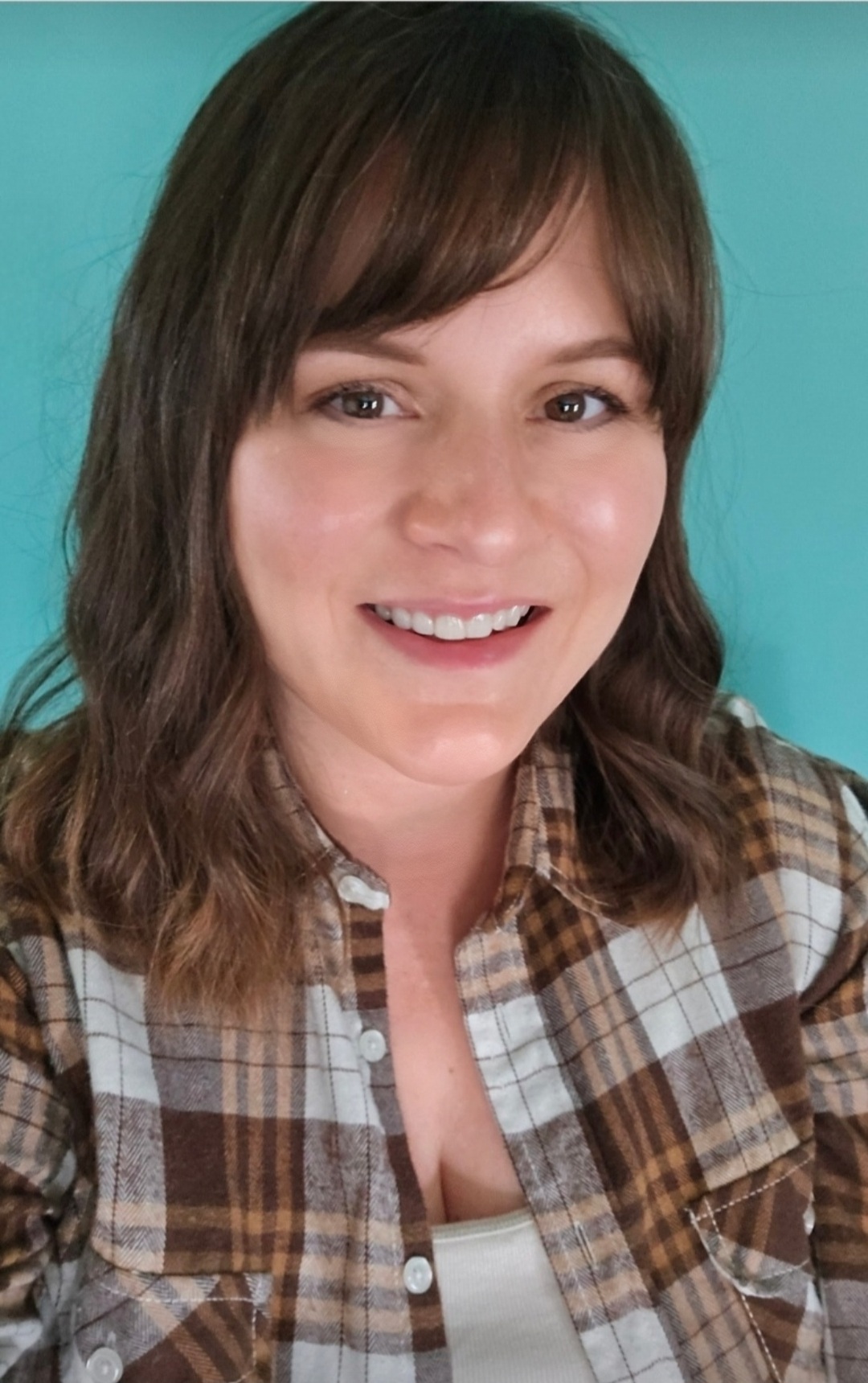
Erica Heiman Bohn is a dedicated Social Worker and advocate whose career is rooted in a profound personal history. Adopted at birth into a loving family, Erica’s life took a pivotal turn at 14 following the tragic loss of her brother, T.J. This experience with childhood trauma became the catalyst for her professional calling, leading her to spend years serving within the child welfare and juvenile justice systems.
Today, Erica balances her career with the daily adventures of raising two teenage boys. When she isn’t navigating the complexities of social work, she enjoys the outdoors to find peace hiking, kayaking, and spending time with her family, friends, and animals.

