Teri Loses Joey To Marfan Syndrome

 Apple Podcasts
 Spotify
 Castro
 RSS Feed
 On Episode 6 of Season 9 of The Surviving Siblings Podcast®, host Maya Roffler is joined by Teri Gosselin, a surviving sibling, speaker, and grief advocate, who shares the story of losing her brother Joey to complications related to Marfan Syndrome—and how that loss forever intertwined grief, love, family, and purpose in her life.
Teri takes us back to her childhood growing up just outside of Washington, DC, where she was the oldest of three. From the moment Joey was born, she stepped into the role of protector, advocate, and “sissy”—completely devoted to her little brother. Their family life was full of connection, neighborhood friendships, and what felt like a normal, loving upbringing.
But early on, their story took a different path.
When Joey was just a toddler, subtle signs led to a life-changing diagnosis: Marfan Syndrome, a rare genetic connective tissue disorder that would go on to impact not only Joey, but their father and sister as well.
Teri shares what it was like growing up in a family navigating a condition few people understood at the time—doctor visits, unknowns, and the quiet weight of knowing that life could look different for the people she loved most.
Still, Joey was more than his diagnosis.
He was tall, eventually reaching seven feet, funny, annoying in all the “little brother” ways, and someone Teri grew closer to as they entered adulthood. Just as their relationship was deepening into something new, everything changed.
In May 2008, Joey died suddenly in his sleep at just 22 years old.
The loss was completely unexpected.
And even more complicated… it happened just three weeks before Teri’s wedding.
Teri shares the unimaginable reality of those weeks—receiving the phone call at work, the shock of not being able to reach her family, and the moment her father told her Joey was gone. She walks us through the early days of grief layered with urgency, milestones, and pressure to move forward, including planning a wedding while mourning her brother.
She opens up about walking down the same aisle where she had just walked behind Joey’s casket… now as a bride.
About honoring him in quiet, meaningful ways.
About holding grief and joy in the same space.
And about how that experience reshaped everything she thought she knew about life.
This episode also brings powerful awareness to Marfan Syndrome—what it is, how it impacts the body, and why education and early diagnosis matter.
As the conversation unfolds, Teri shares how her relationship with Joey didn’t end—it transformed. Through healing, spirituality, and time, she’s come to understand grief and joy as deeply connected experiences, not separate ones.
This episode is a reminder that loss doesn’t just break us—it can deepen us.
That grief and joy can exist together.
And that love doesn’t end… even when life does.
In This Episode:
(0:00:00) – Meet Teri + Remembering Joey
Teri introduces her family, her role as the oldest sibling, and her deep bond with her brother Joey.
(0:02:00) – Growing Up + Early Signs of Marfan Syndrome
How Joey’s diagnosis came to light and how it impacted the entire family.
(0:05:00) – A Family Diagnosis
Learning that her father and sister also had Marfan Syndrome—and navigating the unknowns together.
(0:08:00) – The “Strong One” Role
How Teri stepped into being the protector and advocate within her family.
(0:09:30) – Adulthood + Deepening the Sibling Bond
Moving beyond childhood dynamics and beginning to build a closer adult relationship.
(0:15:00) – The Day Everything Changed
The phone call, the unanswered calls, and the moment Teri learned Joey had died.
(0:18:00) – Sudden Loss + Searching for Answers
Understanding Joey’s passing and the connection to Marfan Syndrome.
(0:20:00) – Grief + Wedding Intertwined
Navigating loss just three weeks before her wedding—and the pressure to move forward.
(0:23:00) – Honoring Joey
Meaningful ways Teri included her brother in her wedding day.
(0:25:00) – Walking the Same Aisle
The emotional weight of walking down the same aisle as both a grieving sister and a bride.
(0:28:00) – Grief + Joy Coexisting
How loss reshaped her perspective and deepened her understanding of life.
(0:30:00) – Spiritual Connection + Signs
How Teri experiences connection with Joey today, including meaningful signs and moments.
(0:40:00) – Family Dynamics After Loss
How grief impacted her relationship with her sister and family—and what helped them stay close.
(0:50:00) – Being “The Strong One”
What it really means—and how to release the pressure while still showing up with strength.
This episode is sponsored by The Surviving Siblings®
Connect with Teri:
-
Website: https://www.soulglowandalchemy.com/
-
Instagram: https://www.instagram.com/soulglowandalchemy
-
Facebook: https://www.facebook.com/teri.m.gosselin
Connect with Maya:
-
Podcast Instagram: https://www.instagram.com/survivingsiblingspodcast/
-
Maya's Instagram: https://www.instagram.com/mayaroffler/
-
Twitter: https://x.com/survivingsibpod
-
Website: thesurvivingsiblings.com
-
Facebook Group: The Surviving Siblings Podcast
-
YouTube: The Surviving Siblings Podcast
-
Patreon: https://www.patreon.com/TheSurvivingSiblingsPodcast
Teri Loses Joey To Marfan Syndrome- Podcast
===
[00:00:00] Hey, I have you guested another incredible surviving sibling with me. I have Terry Goslin with me. Terry, welcome to the show. Thank you so much, Maya. I'm so excited to be here and to be connecting with other siblings.
I'm excited to have you here too, and a little bit of a teaser for this episode. You are gonna be sharing your brother Joey with us. [00:01:00] And Joey had a syndrome that I'm not familiar with, so I'm in for a treat today to get educated. I like learning. I'm a big learner Terry, so. Even though of course it's awful that you lost your brother, Joey, you're gonna get the opportunity to educate me and probably so many siblings on this episode.
So before we get into that, Terry, take us back in time. Tell us a little bit about you and Joey, your family growing up, your relationship. Yeah, and actually it'll probably start the Marfan syndrome story early on because this is part of our story, our family story. So yeah, I grew up, the oldest of three and, mom and dad, we,
we're born and raised, outside of the DC metro area in Maryland, and normal upbringing, great neighborhood, all the things where you have friends and just, you just feel like you are surrounded by, you know, your, your [00:02:00] neighbors and friends become family as well, and. It's interesting, like how it becomes full circle later on in life.
And so, growing up, I'm five years older than Joey and eight years older than my sister. And, as the oldest, I already had taken on that whole like mama role when my brother came around. I just, you know, obsessed, adored him. I wa was, I was, I had just turned five and it was just like my little big old baby who looked like an old man when he was born.
And he was a big baby. He was ten six. So he was a big one. He was a big one. Yes. And um. Yeah, I mean he, and he would look completely different. My mom, dad and I, we all have like the dark hair and my brother was born and he had like this blondish reddish hair with blue eyes and um, you know, I just.
Loved him. I [00:03:00] was his sissy, all of those things. And then around three years old, we started noticing that he would be watching TV and his eyes would be down, but he'd be looking up. And so he went to the eye doctor. And the eye doctor put him in glasses and said, you know, I think you should go and talk to your pediatrician, about something called Marfan Syndrome.
Have you heard of that? And we hadn't heard of it. This is now 1989, so didn't know what that was. Um, so my mom took him to the pediatrician and they were. Yeah, I think that, you know, does anyone in your family have it? And we didn't know what it was, and they kind of started naming off characteristics and it was, um, you know, really tall, eye or vision issues.
Really flexible joints and, um, [00:04:00] you know, lanky sort of. Phone structure, like various different things that then my mom was like, wait a minute, this is also sounding like my husband. Wow. So she was like checking immensely. Just going, check. Yeah, check, check. Whoa. So then they were put into, in touch with, Johns Hopkins University.
We were about 45 minutes away from there. So thankfully they had people who were very familiar with Marfan Syndrome, which is a genetic connective tissue disorder, and it's rare. And not a lot of people knew about it then, so much so that if you were to look in a medical dictionary back then, there was literally a paragraph about this disorder and.
The part of it, I remember reading, 'cause I was about eight or nine years old at the end was most people with Marfan syndrome die before they're 50. So q freak out because here we are now [00:05:00] trying to see what this is. Does my dad and brother have it? My mom is not pregnant with my sister. Do I have it? Does my mom have it?
We didn't even know what. It was. So we started going through testing. All four of us got tested and it came back like the genetic testing, blood work, some other like heart testing 'cause it does impact many systems in the body. And, we found out that my dad and my brother had it. My mom didn't obviously.
It is a genetic disorder, and I did not have it. So it skipped me. For whatever reason, there's no, you know, 50 50 chance basically of getting it. My dad is the first in his family to get it, so they, it's some sort of anomaly and whatever Gene that my grandmother and grandfather had together created this and he's the only one out of his five siblings that has it.
So then, my sister was born and they, we didn't know if she had it 'cause my mom was pregnant. And then [00:06:00] they were, once they were able to do the testing, they learned that she also has it. So, yeah. So this was a major, a major impact in our family, because we had to understand. You know, first of all is, are they all all okay?
What does this all mean? Is there medication? What kind of treatment, are there groups. That we can connect with other families because we've never heard of this, what resources are available. So it was a lot of that. And I just remember being really confused at eight, nine years old about what was happening.
And then also as I got older, starting to take on this other role in my family at that point, because I was now the only sibling that didn't have it. So I was privileged to be able to not have to go to the doctors all of the time, not to have restrictions on sports and playing for fear of, [00:07:00] injury or like a serious, significant injury, or sudden death, which happens, with when you have like,
it's usually an aortic dissection, so there's a lot of complications with it because it's connective tissue, so there's so many systems impacted. And my brother, he didn't have. Too many other than the eye vision issues and the height. I mean, he was seven feet tall when he passed away. What Terry? Oh my gosh.
Yeah. So tall. And my dad wasn't that tall. He was only 6 2, 6 3. So pretty, a little bit above average, but not unusual. But he was, my brother was tall and thin and wore glasses pretty much his whole life. Then my sister, she had more of the bone issues. So she had a concaved chest and had to have a bar in her chest.
She had really severe scoliosis and has a bar in her back. Has had a couple of nose jobs because of the cartilage shifting. So she's [00:08:00] had a lot of those kinds of impacts. And then just to add now going forward, my niece, my, my sister's oldest daughter also has Marfan syndrome. But things have come so far compared to when we first learned about it.
So just being able to see the treatment and, what's available is incredible. So yeah, growing up was one of those things where, first of all, it was our normal, so it didn't feel abnormal, but also. It was one of those situations where I started taking on, that sort of the strong one role, even early on, I sort of wore that hat, as an extra protector of my siblings, especially if anyone was making fun of them because they were so tall and thin.
And, you know, it was just, it was our experience. It was just what it was. It was what we were used to. And, you know, my brother was also the annoying little brother. He had a real [00:09:00] knack of just being, getting under my skin, which I think, you know, siblings have that tendency to be able to find what makes the other sign kind of tweak.
And, um, he had that. But I'm grateful that as we were growing up. And we got older that I had completed college and, you know, he was older and we started spending time together. And it was less of like feeling that major five year gap and more of like coming into adulthood and feeling that, unfortunately he passed away at 22, so we didn't have a lot of time to, to spend,
getting to know each other even deeper on that level. Yeah, but I feel like siblings hit their stride when they get into like, college and like when you leave home and like, that's when like the, a lot of us develop these different relationships and I feel like you guys were just getting started with that and.
Oh my gosh, Terry, so what happened? Again, we're really learning and getting educated on [00:10:00] this because I had never heard of this before. Maybe you guys listening have heard of this, but you know, it's one of the reasons I love doing this show is because it also can create awareness to things that we don't normally talk about.
Especially for my perspective because I lost my siblings so suddenly. So I typically really understand people who have lost their sibling to addiction, overdose. 'cause my brother struggled with it. Homicide, because that's how I lost my brother, right? Those are things that I just instantly connect with really deeply.
I've learned more from siblings like you who have lost a sibling to a terminal illness or an illness or like cancer. So, again, I enjoy getting educated on this, but what exactly happened? Yes. And because, you know, they can, I guess the average is 50 that they live to, or like, do we have more information on that now?
We have more information on it now. So at the time they didn't, like I said, have a ton of information and now with where we are, I mean, goodness, it's, there's so much information [00:11:00] and there's so many medications and, um, surgeries and things are just. The technology and the advances are incredible. So at the time in that book, that encyclopedia, it did say 50, but, that actually is not the case.
So for, and the reason why it actually is super important to talk about Marp Band syndrome is because so many people don't realize, and there's a lot of athletes who go undiagnosed with it. And that's where you may have seen some professional athletes and college athletes that may have had an aortic dissection.
Like there's a, like a led bias, I believe, who played for Maryland, basketball. He died on the court. And they believe he had it and he had an aortic dissection. So there is a lot more information, but still not enough out there where people may have, or they may not meet the same characteristics, but they have something going on.
So even just one of those things is enough to say, Hey, maybe you should [00:12:00] go see a geneticist or go and see this specialist. So I say that, actually. Healthy. My family goes every year for annual checkups. At their respective hospitals. They get an echocardiogram. They have, other. Tests run just to check on the status and make sure that, in particular things related to the heart are not growing that require open heart surgery or some fix.
If you've lost a sibling, trust me. I know exactly how you feel. I'm Maya. I'm the host of the Surviving Siblings Podcast, but I'm also the founder of Surviving Siblings Support. I know that going through this experience is extremely difficult. Whether you've lost a brother like me, a sister, or perhaps more than one sibling, trust me, we know exactly how you feel.
So that's why I started our Patreon account. You can click below [00:13:00] to find out more about our Patreon. If you join our Patreon group, it'll give you just a little bit of extra support that you need along your journey. As a bereaved sibling or as we like to call it a surviving sibling. We offer monthly support groups.
We offer a free copy of our grief guide. That is actually found on Amazon. It's called the Grief Guide for Surviving Siblings. We also offer direct messaging to our community and to me for extra support, and we have incredible events. We have workshops throughout the year that you'll get access to, and you'll also have access to our summit that happens annually and so much more as you'll connect with a community of surviving siblings that understand the journey.
The journey of losing a sibling. You can click below to join us today and also check out some additional VIP features that we offer. I hope to see you in the group and until then, keep on surviving my surviving [00:14:00] siblings.
So I will add, because my dad learned at 30 years old that he had Baran syndrome because my brother was three, my dad was 30, and he had played sports his entire life. It explains his lengthy medical folders from the. Grandfather was in the Air Force, like super lengthy stuff. But at 35 my dad had to have open heart surgery.
And I'm grateful because if we hadn't figured out that Joey had it and that my dad had it, my dad may have passed on from an aortic dissection in his mid thirties and that would've been catastrophic, right? To have, you know, three young children, and navigating this, so. Right. So poor mother, I can't even imagine.
I'm sure she's beyond grateful as well. Oh my gosh, absolutely. She would've been this young mother with these young kiddos and Oh my gosh. And two, that really needed a lot. I mean, gosh. Exactly. You know, I can't even imagine what you would've gone [00:15:00] through too. I mean, you've already been through so much so.
Yeah. And 35 is so young to have open heart surgery, but 35 would've been even younger to die. So it's good thing that you had. You had this information. Exactly. And I'll add to that, that my dad is doing well, has never had ne needed another heart surgery. And he's just turned 68 on Monday, oh my God.
Happy birthday dad. Yeah. Oh, that's amazing. That's awesome. But, going back to Joey, so he was doing, just fine. He'd actually had just gone to his appointment like the fall before his passing, who died in May, 2008. And, yeah, it was shocking. It, this was, it was actually a sudden death, not expected at all.
It was exceptionally even more complicated because I was getting married three weeks later. Of course you were. Oh my gosh. Exactly. Yeah. So, um, you know, I can, that morning, you know, , I was at work, I was chatting with my mom about, [00:16:00] you know, the florist and like last minute stuff.
'cause here we are paying our contracts and everything else. And um, then I was doing something at work and I get a call from an old friend who. It was random on a Wednesday morning, and it was, I picked it up and he was like, have you talked to Joey today? Like, no, I, you know, I'm at work, I've been talking to my mom.
I think he's probably at work. It's a Wednesday, you know. The next day he was going to be going to my husband's bachelor party, so I knew he was finishing up the work week and he's like, oh, well maybe you should try and reach out to your family or try and get in touch with him. And like, you know, when you start to feel like.
Something up, the crawling up the back of your neck and kind of getting like that weird feeling. I was like, okay. And I just thought it was really odd. Had no context, no idea. So then I started calling my mom, my dad, [00:17:00] my sister, the house phone, the work phone, and no one's answering. My brother's not answering.
Now I'm thinking he's been in a car accident or something has happened and maybe he's at the hospital and everybody's busy. But I'm like. Becoming frantic at this point because I can't get in touch with anybody and I have no idea what's going on. And I just have now this feeling like something is wrong.
I didn't think what was wrong was the situation though. And then finally my dad answered and he told me Joey's dead and he was waiting because he had called my fiance now husband, and told him. And my husband was going to come and pick me up from work and take me to the house to be with my family.
So I had to learn over the phone what had happened. And the, you know, and just to add to this, the reason why my dad didn't wanna tell me over the phone is my dad was actually, a counselor at a cemetery. So he [00:18:00] counseled grieving families and then he ended up becoming like the director of the cemetery.
Throughout that was his career. So it's just interesting. But it's also really interesting when it's your own child that you now have to share about, and you think you're doing. Are trying to do the right thing and being in professional mode, but it's also trying to navigate that the most difficult, painful conversation you've ever had in your life.
So we didn't actually know what had happened. He died in his sleep. And my sister, who was just 18, found him, because. She all of a sudden heard this radio in her room. Her room was next to his, and she's like, what is happening? Did he like leave his alarm like on or whatever?
And she went in there and found him. And he had just passed in asleep. We're not a hundred percent sure. We did send for an autopsy [00:19:00] and they believe, that it was based on an arrhythmia and. Ultimately, after talking with the physicians at Johns Hopkins, they believed that it was all just connected to Marvan syndrome, but there was no real definitive reason why.
We have like our own thoughts. So the night before he passed away, he had actually just bought a house. He had just closed on a house, my God, with his best friend. And they were celebrating. I think he probably had a lot of caffeine. He had a couple beers, had Taco Bell, like, you know, having a celebration.
And my brother, a big guy at seven feet tall. You know, it's also, it's wonder like once he went to sleep, maybe his heart just couldn't catch up. That's kind of how we look at it, but there's no other real reason. So based on that, you know, it is related to the Marfan syndrome. But no real definitive answer.
But it left me with, you know, [00:20:00] some of the. Most painful firsts I've ever experienced. Sure. Never lost anybody before. And then to have your, you know, and usually it might be a grandparent or something, but to have your first loss be your little brother, three weeks before your wedding day.
Very complicated. That was complicated. My next question for you. Yeah, that was my next question for you, Terry. Like, how did you even make it through your wedding? 'cause I, there's a lot of siblings in our. Facebook group in our, support group. The things that we do that tell me stories like yours all the time.
So your story's gonna be so helpful to so many, especially women that, you know, very common right before my wedding or right before I had my child. And so it's like this, these big milestones that we go through as women and our brother and or sister didn't get to be there. So I'm curious how you handled that.
How. How was that? I'm sure you guys had representation of him at your wedding, but what, how did you get through that three weeks? Holy crap. Yeah, it was hard. For sure. So [00:21:00] obviously like we didn't have some of the traditional things that we would normally have had, because my fiance was going to be going for his, a bachelor party, literally the day after my brother died.
That can, that was obviously canceled. I didn't have a bachelorette party. So like some of those things that, you know, you look forward to in the planning and the preparation when the unexpected happens, you know, those things fall out the wayside. So, um. You know, we didn't have that prep and I was still trying to come to terms like I wasn't even thinking about my wedding.
When I found out what had happened with my brother, I just needed to, on that way up there on the drive to my parents' house. I just needed to get there. I just needed to be with my people. And the very first thing my mom and dad said to me is, the wedding is still gonna go on. We're not canceling it. You know, looking back, I've had to work on some therapy with that because I felt that the pressure to then, okay, I've gotta, I've gotta keep going, I've gotta do this.
And [00:22:00] I, I didn't even know if I was ready to do that because my world had just been turned upside down and it had nothing to do with my husband. Of course, I still wanted to marry him, but it was just like. I don't, I can't even see what a step forward looks like right now. So I went through the motions, those few weeks, obviously grieving, in shock, trying to figure out, I mean, you know, after he died, his funeral was not until the next week.
So now we're at two weeks before the wedding day and we're in the last bits of stuff, like people are coming into town and getting ready. To keep him as part of the day was so important to me at that time. And also making sure that my parents and my sister, and that's where the, I. Being the strong one started to come in.
I started that, that shell just came kind of right back in. Even though I was grieving, I stuffed those emotions down and was like, well, I need them to have something too. [00:23:00] So one of the first things I did, I went to like, things remembered. I don't even know that's still around anymore, but I had, I remember things.
You remembered it. Yes, I definitely do. I definitely do. I'm about the same age as your brother, so we're not far apart from each other, so Yeah, I know things were, oh my God, I remember things you remembered. Yes. And so flashback. Yeah, a total flashback. Yeah. So I went and I got a pocket watch for my dad engraved, and I had a photo put in of him and my brother.
I got lockets for myself, my sister, and my mom. And I put the different photos of, my brother with that each of us had, like a photo with that and engraved, and I had wrapped my locket in my bouquet. And they all, you know, they wore their stuff, but I felt just very like. Because my wedding weekend also happened to be Father's Day.
So in between, after my brother passed away, my sister had a birthday and I got married and it was Father's Day. So it was like a lot of stuff, and all I could think about as I'm picking these cards out was, oh [00:24:00] my gosh, this is my fir, my dad's first Father's Day without a son, his only son, and like. You know, it was just, I just remember it being so like, I still remember be standing in the aisle at Hallmark picking that out, and so.
You know, , I had, I did these little things throughout my wedding, like even going down the aisle. The space remained where my brother would've walked. And, you know, there was my friend, my beautiful friend who has also since passed. She knew my brother well. She had spent time with them. She, in those three weeks, put together this most beautiful slideshow that incorporated my brother in it.
And I tr I treasure it. Like I still watch it to this day. And my parents will go back and watch it. And it's just these little things and, you know, we had like the photos and stuff like that at the wedding too. And, you know, I felt. It was really hard to [00:25:00] walk down the aisle, because the two weeks before I had walked behind my brother's casket down that very same aisle in that church.
Yeah. Our church growing up and I just remember at his funeral feeling so numb and then walking down the aisle with my dad feeling so like. Like the, it just like hit me, right? Right. Because I never, I didn't think about it until I was standing to go down that aisle and realizing what, like, what had just happened.
These major life events so intertwined, in the very same fashion. And a lot of emotion that day. And then there was also these beautiful things, which I didn't realize then. But, about five years ago, I had an opportunity to, be a published author and write a book chapter. And all of that came forward after my own healing and, the reflections of my wedding day and the experience that it was.[00:26:00]
And we had a massive, it was so hot that day. This, I'm a June bride, and it was like the hottest few weekends. The year across the country and all of a sudden during dinner time, it starts like a downpour. Now our wedding reception was in a tent. It was fine, like, but the wind is whipping. Apparently that's flickering with the, the electricity.
Now they're worried because they hadn't served the food yet, that they're not gonna be able to, it's gonna be cold or they can't finish, you know, coordinating that and. Honestly, anything else that had happened that day, my wedding day for me was not important. Like all the things I'd planned for, you know, you wanna make sure everything goes perfect.
It no longer mattered to me because the absolute worst thing that could have happened happened. So everything else was just like me. It's, it'll be fine. We'll figure it out. And so, oh, the church hasn't burned down. Everyone's [00:27:00] alive. We're good. Yes. It just, it changes your whole perspective on life. Terry, I love that you're sharing this with us.
'cause it really, it just, it just changes everything. It changes everything. And I really think it's, I think that's such a huge moment in your story too, about walking down the same aisle. I can't imagine doing that, Terry. I just, there's so much strength in you. No wonder you're gonna be talking about, you always talk about being the strong one and Terry's gonna be talking about this at our summit.
You're coming, yeah, this year in 2026. Please come listening to this episode at anytime, but yes. And we'll talk more about it as when we conclude. I feel like this is such a, like, this is kind of like the heart of your story is walking. Just, I'm picturing you walking down this island. I'm also picturing you like, oh, like this is supposed to be the happiest day of my life and you've probably got 5 million emotions.
You know, you were just numb doing the same thing. You know, a few weeks before, obviously you were doing something different. You were commemorating your brother and honoring your brother. But like now, it's supposed to be the happiest day of your life, your wedding day, right? And like [00:28:00] you're feeling. All the emotions and all the feelings, and it's not what a typical bride would be going through.
Right? Yes. So I just, I feel that intensity when you're sharing that. And then now this storm, which by the way, we're in the south, right? So like rain on your wedding day is actually good luck. So, you know, yes. Hindsight's 2020 with that. Sure. I'm sure too. But yeah, I mean. Well, and I just picture you letting everything go.
Just being like, it doesn't matter. My brother died like that. And that's exactly it. Yeah. And the rainstorm, you know, after a reflection later on, I really like saw how powerful that was. It felt to me. This was only after the healing work that I've done and the therapy I've done was realizing like that rainstorm was my brother showing up and helping to cool off the how hot and humid it had been to show us that he was crying tears on that wedding day, that he [00:29:00] couldn't be there in person, but he was there in spirit and then left the most gorgeous sunset.
I've ever seen that still is emblazoned in my memory almost 18 years later and all of that, like, you know, this is, as I look back, I realize just how deeply I was already spiritually connected to him at that point and didn't realize it until years later. 'cause that's a whole other journey that I've taken over these 18 years.
Yeah. But. Just being able to know, like there were these moments in the saddest time of my life. Also so embedded in the happiest times of my life and the happiest experiences. And I think like that's why, you know, I've done the work I've done and the stuff that I see constantly in life is just how connected grief and joy are all of the time.
And that has literally been a theme throughout my whole life. But even more [00:30:00] so after the experience of losing Joey and then in subsequent losses and experiences along the way, and of course all of those. It doesn't like make it easier, right? It's all their own experiences and it's all what it is. Um, and we often navigate how we feel and allow our feelings to be what they are, and not stuff them, not be the strong one all the time.
Like, strength is important, but actually being like emotionally connected is the strength. But I had to learn that. And, it's just been. It's just been really a beautiful journey and he, in the spiritual realm has helped connect me and show me this grief and joy and that the grieving part, I had to go the journey I did with challenges and understanding my emotions on not feeling 'em, uns, stuffing them on being the strong one all the time.
And, almost kind of pulling on [00:31:00] like this. Mask or armor in order to protect myself and my nervous system. And then also my questioning with God and that connection to get to the point where I was open to then see like there's a different way. And he was just there the whole time waiting till I was ready and now we just have a different relationship.
Obviously not in the physical. But we're still connected and it's one that I'm so grateful for. And I think at the time I wasn't even sure that that was possible. Right. Like it's, how is it possible to remain, like you'll just be a memory or you're just in pictures, but. He's still there. And I see it now with my kids.
Like I see it, my oldest hit his first home run last Friday, and then a second home run on Tuesday of this past week. And it's like my brother was a massive baseball fan, and I can just, each time I've never been more elated as a mother [00:32:00] to feel. What my, I believe my child was feeling in those moments, but also knowing my brother was watching and cheering him in there, like you could feel the presence.
And, just even in the little moments like, I, I've. Gone to a medium a few times, and had Connect, Joey came through in those sessions and it was very special. What was that like for you? Oh my gosh. What was that like for you? Look, I am, I talk about this on the first season of my show.
Look, if you guys listen to me on TikTok, a lot of you do. You know, a lot of people come into my room and they think I'm a medium. I'm like, no, this is sibling law support. Although I think we all have psychic abilities. I agree. And we're connected. I think we, we think we just shut it off sometimes, but that's a whole other podcast, Terry.
But anyway, but I always tell people, I'm like, be very careful. There are gifted people out there and there are people that are not so Right. So. Protect yourself. Protect, because when you're grieving, you're very vulnerable. So it took me five years, Terry and I talk about it on the first season and I did a lot of research.
I [00:33:00] sent an email to this person from an email that wasn't really mine. I gave them no information and it was a blown away experience. If you guys haven't listened to it, check out the first season, I talk about it. But how did you find your media where you kind of guarded like that too? Going into it and you know, I again.
I recommend that because especially when you're grieving, you're vulnerable. 'cause sometimes I see these people and they're like, is my brother okay? Or is my sister, you know, thinking of me, you know, and I'm like, hang on. Those are like leading questions here. Right? Yes. So what was your experience like?
And you know, would you give the similar advice that I give on that? Yeah, I think, I think people will know when you're like ready to explore that because it does. Oh yeah. It's definitely not like if you're newly grieving, I. I don't think I would've been able to manage myself. And I don't think it's a good, I don't think it's a good thing, Terry.
No. If you're really bereaved, like, because you're so, like, you're so desperate to make connection. Exactly. I find that you ask leading questions. I find that you try to put it together when maybe it's not someone [00:34:00] who's legitimate for this stuff. Exactly. Yeah. I'm with you. That's great advice. Yeah. So we went,
I wanna say that it was maybe eight years later. Yeah. That's great. Yeah. And I, yeah, I had started doing my own work. I was get into like, uh, my own healing work and I was starting to get into the place of, being more open to like that spiritual connection. And, friends of mine were going to this, it was a group medium event in a local like restaurant.
And I'd read some information about the medium coming and she sounded amazing. And I was not skeptical actually. Like I felt very like, this feels right, this feels good. My mom and my sister also came with me. They were skeptics, but we went in. To this group event. There was like 50 people there. So we didn't even know if he would come through.
And the way she did it, it was kind of like, you know, she would feel into the spirits in the, and like in the room and what was coming forward and [00:35:00] go by their first names. Joseph is coming through right now and it's a common name. There could be other people and they, they, then she started saying things that were like, wait a minute.
This sounds like it's Joey, and interestingly enough, as Joey came through, my grandpa came through and then my grandmother came through too and they were there for a while and she sat with us and we didn't give any information. She was just sharing what was coming through and it was so powerful and it was so.
Spot on. And that's where we learned, like my brother comes to my sister and I as a dragonfly. And so that is actually another part of my, one of my stories as well, of what kind of helped with my own transformation of how to move forward. And it was just really, really amazing. My, my mom and my sister left.
And they were no longer [00:36:00] skeptics and they have since gone back to see her the same medium in other events. How cool. I mean, how could you, I mean that after, same thing with my experience too, right? It was just like after that. And the funny thing is, prior to my brother. Dying. I was a total believer.
I was like super into all that kind of stuff. Right? Yeah. I had been to many psychics, many mediums. But death changes you, right? And you can put your guard up a lot and you can hear about experiences and so, but going to someone that was really good. And it's funny that you mentioned my grandparents came through too.
They love that. And they came through first. Yeah, they came through first. So at first I was like. I like, oh my God, no, he's not gonna come through. He's not gonna come through talk. Right. It's too good to be true. Like, right. Yes. I'm like, and then he came like charging through, which is so my brother's personality.
So I totally get it. And I mean, what it helps you realize too, is that like. On whatever you believe in, but it sounds like you and I believe similar things. I do believe in an afterlife, and I do believe that spirit is on the other side, and we have people that listen to the [00:37:00] show that are anything atheist, agnostic, all the way to super religious and spiritual.
But regardless, I think it's just kind of hard not to believe that there is something after we pass, because the fact that all these. People that you're kind of connected to, they come through. It's like they don't understand the concept of time. It's just very different. So again, it's very metaphysical, but I believe in that too.
It's an interesting thing and it, it does. If you are open to it, it can catapult you like in a direction, in your healing journey like you're describing a hundred percent. And again, and I would just, you know, preface again that you have to be open and ready for that part. It was eight years. I mean, what a great Yes.
I mean for me, I'm so glad I waited. It was almost five years and honestly even then I was a little raw. But when people are like, oh my God, it's been a couple months, I'm gonna go and I'm like. I wouldn't, yeah. I'm like, I wouldn't, but you know, each, each do your own, you know, each do your own, do what you wanna do.
But I think, you know, when you're open, and that could be one year for some people, that could be 10 years, that could be 20 years. But, it can be a [00:38:00] really healing part. And I love that you have this symbol now for your brother. Yes. The dragonfly. Yeah. That's so cool. And actually, anytime, I was just at Target last week in like the dollar section, they had this little.
Makeup thing that had dragonflies on it. So it's like, okay, hey Joe, how's it going? Like, that's how it is now when I'm out and about. And I picked one up for myself and my sister. Because, you know, you just feel like, and she'll do the same thing, like pick up a little something here and there that just, you feel like your brother's presence.
And this also happens to be his birthday month, so it just feels like. I just, you know, it's, it's, he's there, he's like, Hey, don't forget my birthday. Like I was, I'm gonna be 40 this month kind of thing. And, yeah, it's, yeah. Joey and I are the same age then. Oh, yeah, I'm right. Be, I'm right behind him. I'm turning 40 this year as well, so Yes.
Happy birthday. Thank you. You're welcome. You know, it's so funny too. I try to go, I work a lot, as you guys know. If you listen to the show, I'm a busy gal and, but I [00:39:00] made this commitment to myself, especially going into 2026. I was like, I'm going one day a week. Whether it's Wednesday, Thursday, whatever day I can do this.
I meet a girlfriend for lunch. I love it. I just do. That's something I do to get outta the house. Right. And during the week, right? Weekends not the problem. It's during the week where you're just so, and I went to this really cool tea place in town, and guess what? Were on my glasses this week.
Dragonflies dragonflies. And I'm doing this show with you today how I love it. How weird. I just got kind of chills. So this tea room is really cute. We've been wanting to go for a while. We actually rescheduled twice 'cause things were just getting so crazy. And each tea like table is a different theme and we happen to sit at the dragonfly.
I'm gonna have to send you the picture 'cause Oh please do. I would love that. That, that. I just did that two days ago so yeah, so we had tea and did the dragonfly like theme. It was just like, this is so weird. I'm gonna have to send you the picture. This is so weird that this happened this week, but I love that. My brother was with you too.
Yes, I know he was. He was saying, [00:40:00] Hey, you're gonna talk to Terry. This is little did I know. Little did I know. So I have to ask you this too, about your sister. So your surviving sister that is 10 or eight years younger. I have a sister 10 years younger, so it was a little 40 and slept there. How is your relationship with her?
Obviously quite beautiful. And how is she doing? Because she is living with this syndrome and how is her health? So she's doing great. She is, you know, just, she's a great mom. She's busy. She also now works for, it's so interesting how things kind of come full circle. She also now works for a cemetery and she's a manager of a cemetery, so it's like runs in the family.
Yeah, I was gonna say, do you guys need your own reality show? Just open over something. Oh my gosh. Like, and, and so, but you know, it's like she's really compassionate and has such a good heart and really good with people, and so it mean, it's like it. She had come previously, she was the manager of like a.
Salon [00:41:00] spa. So like, you know, different, completely different area of work, but it, she just naturally fits in it so beautifully. And, yeah, health wise she's doing great. She's married, she has two little girls. As I mentioned, my older niece also has smart fans. She also just had scoliosis surgery back in October.
But she's doing fantastic. She healed way better than my sister's surgery, so you could just see the advances in Right. The procedure and everything and yeah, I mean, she's, my sister also has like a little cookie business on the side. She's an incredible baker. Emotionally, my sister and I are really different.
I'm one like, even though I stuff things down, like I feel a lot. So I am, you know, can be moody. I'm not gonna lie. It is what it is. I cry at. Silly commercials on tv. Like they're, you know, and my sister is not quite as sentimental in things. I will say she is become a bit more since becoming a mom.
I was gonna say, well, [00:42:00] she's a mom, so that's a givet. You gotta like an instant up the ante on the empathy, like the sensitivity when you become a mom. Yeah. And it's definitely more for her kids than like, you know, she gets a little like we. We just had, we, my birthday was in January and we didn't get to see each other because of the weather.
So they, we just saw each other for my son and my dad's birthday this past weekend. She gave the gift and I'm like, oh, this, this card is so sweet. And she's like, it can't be too much sha because, you know, I just can't do it. So like, that's just how she is. It's too funny. Yeah. She processed differently.
You know, I would. She doesn't really like to talk about it too much and given that she found my brother in, she was only three years age difference with him. So they spent a lot of time together. They were really close and I can imagine. And she, you know, it was hard for her for sure. She was in serious shock.
I mean, she was a teenager and it, you know, you're losing your built-in best friend, right. Totally. But she [00:43:00] didn't really talk about it. She didn't really go to talk to anybody. She decided to navigate things in her own way and every, and that's another beautiful thing, is that everybody's grief experience is different and how they navigate it.
And there's no right or wrong way. There's just your way and finding what feels best for you. And so, you know, now, like when we talk about things, it's obviously times. Time is balm. It does help. It doesn't ever go away. You miss out on like, you know, Joey missed both of our weddings, the birth of our children, being an uncle, what his life would've looked like.
All those things we missed out on. But, we do have each other and with each other, we've been able to have our memories, share our memories of growing up with him. It's more of like the jokes always come through of like, my brother was famous for giving us [00:44:00] every Christmas the same sweatshirt and tiktoks like for years on end.
Such a brother thing to do, right? Yes. He's like, totally is sweatshirt and your breath. Stink. So here you go. And you know, it's just, he's always at a family event because we always talk about him. It always comes up and it's no longer like one where you're gonna break down and cry. It's one of those places where you feel like.
It feels like your heart's smiling. It feels like sunshine when you get to bring your loved one that's not physically here anymore, to be in the experience that we're in right now. And so I'm grateful to have her, um, and have the relationship we do. Um, you know, it was a little harder growing up because I am eight years older, so when I was like in college, she was really pretty young.
But now we're adults and it is, you know, we're a lot closer and, then we can relate on the mom thing as well. So that's, that's always, [00:45:00] always nice. But yeah, now like my, so I grew up in the Maryland area and all my family lived there, but about nine-ish, ten-ish years ago, my sister, I guess nine-ish, my sister and her family moved to Wilmington, North Carolina.
And, five years ago my dad retired and my parents moved to Myrtle Beach. About two and a half years ago, we got the opportunity, where my husband, got a promotion in the Raleigh area. So we got to move closer and still be, oh gosh, you guys aren't that far from each other then That's really nice.
No, like two, three hours. It's much better than six and eight hours. Oh yeah. And you know, you're, when it's interesting, like after I got married, I still lived in the area, but I was still like about 40 minutes from my family. But, about. Nine months later, we started looking to buy a house and we ended up moving to the town I grew up in.
My sister was there, my parents were there, and I just felt like this desire and need to be closer to [00:46:00] them because of the experience we had the year before with losing Joey. And so, you know, it's one of those things that's like. Sometimes grief and loss can break and kind of separate people.
Ours brought us closer in more of this tighter unit. So it's nice to not be too far away from each other and be able to meet up and spend weekends and enjoy each other's company. I love that about your story because not everybody's story is like that. And I think it's so important. I love having people on the show where they have a positive experience with family.
I remember, , the first season I was interviewing people. I had a woman on from Australia. She does, um, big, she has a big grief website in Australia. Great woman, Margaret. Um, and my family was so dysfunctional after my brother was killed. It's the story for most families. Not all. Yeah. Like you, right? But [00:47:00] like.
It was, I was hearing it all the time. And so having her on, she was like my first one to tell me, you know, I don't have the typical story. We actually got really close. Yeah. And I was like, wow. To the point where she, because she had worked in grief for so long, she actually was like, I developed a name and I teach this name for it.
And I'm like, what? Yeah, and every time I have someone on that has a story like yours, it reminds me of it, but she was like, it's, you know, it's a grief bubble and it's where like when everybody leaves right after the celebration of life, funeral, whatever you have, and things calm down, which for you was crazy because you just went right into your wedding.
So you really didn't have that. It was just like a flip of the what you were supposed to be experiencing. But she was explaining that. Most families like that, that bubble never creates because of all the dysfunction that typically happens or gets highlighted, which I was like, yeah, you're describing my whole experience.
But she was saying that like her brother's, you know, partner and like the family, just the few, few of them [00:48:00] kind of just hung together and just mourn together. And then when they were ready, they would kind of leave the bubble and then come back. To it. And it was just such a beautiful representation of what a healthy grieving family can do together.
And you're not always gonna be perfect. Right? I'm just saying like, this is not like, you know, Mr. Rogers neighborhood. Like everything is perfect, right? Like there's still gonna be things. And that's what I love about your story too, Terry, how you've been super honest. Like I had to go to through therapy, I had to work through some things because you know, I didn.
Agree necessarily with where my parents brought this up or did that. Right. But you guys respected each other's grief enough, which I also love you sharing about your sister and how she grieved differently because that's something I really struggled with. I was like, why isn't everybody angry like me? Or do Yes doing it like me?
And I had to learn the hard way. Not everybody grieves the same. It doesn't mean that they're not grieving. So again, this is such a great episode for people to understand the different dynamics in the family, but also understand even. If you're going through it differently or feeling it differently, it is still healthy and you could still feel close as a [00:49:00] family.
So your, your story is a real testament to that. So thank you for sharing that. I think it's inspiring because, and also it's, it's never too late too, because I've been exposed to so many families that had a rough go of it, and now they're close again. Yeah. So, you know, it can evolve as well, so, yeah. Yeah.
And I think like, you know, time is. And as you process, even if you don't realize you're processing, that, that gives, that creates space to then see whether a relationship can be rekindled or reconnected or, you know, come back. So I agree, it's never too late. Um, and it's always. I'll go back to, I believe in divine timing and so I think, you know, it could also be that loved one, orchestrating that divine timing for reconnecting back with family and loved ones friends, you know, or it can also be sometimes.
That [00:50:00] separation is also needed. I mean, it's sometimes that's exactly what is needed, as everyone navigates their journey and there's, there's no wrong or right way, and it's all exactly as it's meant to be. I couldn't agree with you more. I absolutely agree with you. Terry, uh, well, we'll just preview this real quick.
So we've kind of talked about it already. Terry's gonna be at the summit for 2026. So if you guys are, if you're hearing this in 26 and you're coming to the summit, we would love to see you there. And Terry, is going to be talking about. Being the strong one. That's what she's going to be talking about.
And as we've kind of teased it today, she has tons of experience with this. I'm the eldest too, so I totally connect with you. Like it's almost something that's automatically put on our shoulders, right? A hundred percent. And so many of us have been chatting about that already in our Facebook group I was sharing, uh, with Terry today too.
Um, so Terry, uh, just a little brief blurb. What can we expect from your session? And then we'll talk about where to find you. Yeah. So yeah, we're gonna talk a lot about what being the strong one might look [00:51:00] like. Um, you might feel like it, but you may not really realize that some of these things are already inherently probably like, again, oldest child, oldest daughter.
That's definitely some of those things, those kinds of things. Um, but also some simple tweaks on. Reframes of what that actually could look like and how you could take some of that pressure off of yourself to simply be, and I think it's so important, like we can be the strong ones, but then also. Be strong and feel and be strong and be present.
And it doesn't always mean you need to put up, you know, this front of taking care of everyone else before yourself. And so we're gonna kind of go through that and there probably be some immersive sort of experiences with just being present and being with yourself in the process and what you're navigating.
And yeah, I would just, I'd love for [00:52:00] anyone to, to join us. I think it will be a really beautiful conversation, but it'll be really, it'll be an open conversation. I really hope that everyone is interested in having that convo with me. Love it. Well, I would've been, you know, where was this for me years ago?
So we're trying to bring all this stuff we wish we had, so I love, absolutely. I'm so glad we connected. Terry, where can people find you? And we'll put it in the show notes. What are your best socials, email, all that good stuff? Yeah, so you can find me over on Instagram at Soul Glow and Alchemy.
And, also my, that's the same as my website. It's www.solowandalchemy.com.
Okay. Awesome. Alright, Terry, thank you so much for sharing Joey with us and your family and educating us on Marvin syndrome. I did not know about this, and the more we talk about stuff like this, just the better it is for everyone. So thank you and we're so excited to have you a part of the community now.
Thank you so much, Maya. I am so grateful to be here with all of you.
[00:53:00] Thank you so much for listening to the Surviving Siblings Podcast. If you enjoyed this episode as much as I did creating it for you, then share it on your chosen social media platform. And don't forget to tag us at Surviving Siblings Podcast so that more surviving siblings can find us. Remember to rate, review and subscribe to the podcast.
And don't forget to follow us on all social media platforms. We're on Instagram, Twitter, and TikTok at Surviving Siblings Podcast. All links can be found in the show notes, so be sure to check those out too. Thank you again for the support. Until the next episode, keep on surviving my surviving [00:54:00] siblings.
Grief Guide + Soul Mentor
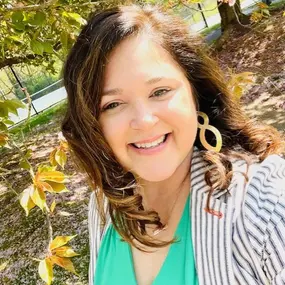
Teri Gosselin is the founder of Soul Glow + Alchemy, where she guides high-achieving, heart-centered women who appear strong on the outside but feel quietly unraveled on the inside. Her work was born from her own experience of losing her brother, Joey, just weeks before her wedding, a loss that reshaped her identity and led her on a deep journey of emotional healing, self-reclamation, and spiritual reconnection.
Through a compassionate blend of emotional awareness, nervous system support, identity reclamation, and spiritual integration, Teri helps women slow down, feel again, and return to the truth of who they are beneath the pressure to hold everything together.
She believes grief is not something we “move on” from, but something we learn to move with. Teri is passionate about helping others reconnect with their inner wisdom, reclaim their voice, and build lives that honor both their grief and their glow.

