Therapy and Sibling Loss with Dr. Dawn DiRaimondo


 Apple Podcasts

 Spotify

 Castro

 RSS Feed
On Episode 3 of Season 10 of The Surviving Siblings Podcast®, host Maya Roffler welcomes back Dr. Dawn DiRaimondo, psychologist, surviving sibling, author, and the very first guest to ever join Maya on the podcast.
Bringing Dawn back during Season 10 feels especially full circle. Maya first connected with Dawn during her fourth year of grief after reading her book, Surviving Sibling Loss: The Invisible Thread That Connects Us Through Life and Death. At the time, Maya was beginning to think about how she could share her own story and eventually create a space for other surviving siblings to share theirs, too.
Dawn became an important resource as Maya navigated how to approach conversations involving grief, trauma, and mental health responsibly, and those early conversations helped shape what The Surviving Siblings Podcast® would eventually become.
Now, nearly 100 episodes later, Maya brings Dawn back for a conversation centered around one of the topics she hears about most often from surviving siblings: therapy.
What if you tried therapy and it didn’t work? How do you know whether you’re ready? How do you find someone who truly understands grief and sibling loss? And how do you know when a therapist simply isn’t the right fit?
Maya and Dawn discuss what to look for in a grief therapist, red flags that may signal someone isn’t the right fit, what a healthy therapeutic relationship can actually feel like, and why finding a therapist can sometimes feel a little like dating—you may need to meet more than one person before finding someone you feel safe with.
The conversation also expands beyond traditional talk therapy into trauma-focused modalities, medication, affordability, community support, and the different resources that may become part of someone’s grief support system over time.
Most importantly, Dawn reminds surviving siblings that one difficult experience with therapy doesn’t mean therapy itself cannot help. The right therapist should provide a space where you can tell your story, say your sibling’s name, talk about the complicated parts of your grief, and move at a pace that feels safe for you.
In This Episode:
(0:00:00) – Welcoming Back The Podcast’s First-Ever Guest
Maya welcomes Dr. Dawn DiRaimondo back to The Surviving Siblings Podcast® and reflects on the significance of bringing her first-ever guest back during Season 10.
(0:02:00) – How Maya + Dawn First Connected
Maya shares how reading Dawn’s book during her fourth year of grief led her to reach out and how their relationship became part of the early foundation of the podcast.
(0:04:00) – Being Ready to Tell Your Sibling’s Story
Dawn and Maya revisit their early conversations about interviewing surviving siblings and why giving someone time to process their loss before publicly telling their story matters.
(0:07:00) – How Sibling Grief Resources Have Changed
Dawn reflects on losing her brother Michael in 2004 and how few resources existed specifically for surviving siblings compared with the books, podcasts, communities, workshops, and support available today.
(0:18:00) – Am I Ready for Therapy?
Dawn addresses the fear surrounding that first appointment and why finding the right therapist may matter more than determining whether you are perfectly “ready.”
(0:19:00) – Finding a Therapist Who Understands Grief
Dawn shares practical advice for searching for someone who specializes in grief, loss, and bereavement and explains why specialty and experience can make a significant difference.
(0:20:00) – Therapy Red Flags After Sibling Loss
Maya and Dawn discuss why comments about needing to “move on” or talking about your sibling too much can be signs that a therapist may not understand significant grief.
(0:29:00) – Finding a Therapist Can Feel Like Dating
Why your first therapist doesn’t have to be your forever therapist and why meeting with two or three different providers can help you find someone you genuinely connect with.
(0:41:00) – What Should You Expect From Grief Therapy?
Dawn explains why grief therapy usually isn’t a quick fix and how conversations may include your relationship with your sibling, your family dynamics, your emotions, your daily functioning, and the future you expected to share.
(0:42:00) – Losing Your Past, Present + Future
Maya and Dawn discuss why sibling loss can affect identity so deeply when the person you lost shared your childhood, existed in your present, and was supposed to remain part of your future.
(0:46:00) – Talk Therapy, EMDR + Trauma Treatment
Dawn introduces trauma-focused modalities and explains why some grieving people may benefit from additional trauma treatment beyond traditional talk therapy.
(0:49:00) – Timing Matters With Trauma Work
Maya and Dawn discuss why being ready to talk with a therapist isn’t necessarily the same as being ready for deeper trauma processing and why those treatments should be approached thoughtfully.
(1:02:00) – What If the First Therapist Doesn’t Work Out?
Dawn reminds listeners that it may take more than one attempt to find the right therapist—and that finding the right support can still be worth the search.
(1:03:00) – Other Places to Find Grief Therapy Referrals
Insurance directories, grief organizations, hospice programs, doctors, support communities, and personal referrals can all provide additional starting points.
(1:13:00) – What’s Next for The Surviving Siblings Podcast®
Maya shares why Season 10 is intentionally expanding beyond traditional storytelling to include more education, tools, experts, and resources for surviving siblings.
(1:18:00) – Dawn’s Book: Surviving Sibling Loss
Dawn shares more about Surviving Sibling Loss: The Invisible Thread That Connects Us Through Life and Death, the surviving siblings whose stories are included, and the practical resources she incorporated into the book.
Connect with Dawn:
-
Book – Surviving Sibling Loss: The Invisible Thread That Connects Us Through Life and Death: https://www.amazon.com/dp/1977228836
-
Website: https://drdawndiraimondo.com
Connect with Maya:
-
Podcast Instagram: https://www.instagram.com/survivingsiblingspodcast/
-
Maya's Instagram: https://www.instagram.com/mayaroffler/
-
Twitter/X: https://x.com/survivingsibpod
-
Website: https://www.thesurvivingsiblings.com
-
Facebook Group: https://www.facebook.com/groups/thesurvivingsiblingspodcast
-
YouTube: https://www.youtube.com/channel/thesurvivingsiblingspodcast
-
Patreon: https://www.patreon.com/TheSurvivingSiblingsPodcast
Therapy and Sibling Loss with Dr. Dawn DiRaimondo- Patreon
===
[00:00:00]
2026-09-07--t08-38-05pm--62d44f94d16e77b66619324b--mayapinion: All right. Welcome back to the "Surviving Siblings" podcast. I am here today with a super special guest. She was my first guest ever on the show, Dr. Dawn DiRaimondo. Dawn, welcome back.
2026-09-07--t08-38-06pm--guest857709--dawn-diraimondo: Thank you, Maya. Thank you so much for having me back on.
2026-09-07--t08-38-05pm--62d44f94d16e77b66619324b--mayapinion: Yeah, you're welcome
2026-09-07--t08-38-06pm--guest857709--dawn-diraimondo: you are entering your 10th season of this podcast
2026-09-07--t08-38-05pm--62d44f94d16e77b66619324b--mayapinion: It's crazy. I know. It's so crazy. And when I started to like map out this year for Season 9, Season 10, for 2026, believe it or not, I was like, "Wait a second. This is so weird because my brother died 10 years ago,
2026-09-07--t08-38-06pm--guest857709--dawn-diraimondo: Wow
2026-09-07--t08-38-05pm--62d44f94d16e77b66619324b--mayapinion: and the Season [00:01:00] 10," like, come on, what were the odds of that happening? I didn't plan it that way.
I would've had to have planned that when I started this back in 2022, but, you know, we do two seasons a year and, you know, blah, blah, blah, and here we are in Season 10. Crazy.
2026-09-07--t08-38-06pm--guest857709--dawn-diraimondo: Wow, wow. Well, thank you for having me back on.
2026-09-07--t08-38-05pm--62d44f94d16e77b66619324b--mayapinion: Yeah. Thanks for being
2026-09-07--t08-38-06pm--guest857709--dawn-diraimondo: here.
I'm
2026-09-07--t08-38-05pm--62d44f94d16e77b66619324b--mayapinion: I wanna take everybody back in time and, and, like, go back there for a minute because some people might just be finding us, but if you've been listening for a long time, you might know my story. And, like, when I put the first season out, I didn't really know. You remember this, Dawn, because we connected.
I didn't really know where this was gonna go. And you and I had connected in my fourth year of grief, and I had read your book, which if you guys are watching, you're gonna see it on the screen now. Uh, if you're just listening, don't worry, it's gonna be in the show notes. But I had read your book and it was my favorite.
It was just so [00:02:00] digestible for me. I always say that, digestible, and unless you're someone who's gone through grief, you don't always understand what that means. But it was so digestible and relatable because you not only shared your story, but others as well, and then also your perspective as a therapist.
And I reached out to you and we started talking, and then I did my show, and then I was like, "Dawn, people are wanting to be on the show," and you're like, "Okay." And I, I talk about this often too, how I was speaking with you and I was like, "Okay, well, if I'm gonna do this, like, how do I do this?" And I remember you telling me, "Well, you know, you interview people on your other podcast," you were telling me.
And, and I was like, "Yeah, but isn't this different?" And you were like, "Oh yeah, it's different." Like, it's definitely different. Because you interviewed how many people in your book,
2026-09-07--t08-38-06pm--guest857709--dawn-diraimondo: 14.
2026-09-07--t08-38-05pm--62d44f94d16e77b66619324b--mayapinion: That's right. Right. So I remember kind of like leaning on you and saying, you know, "Well, you've interviewed. Like, how does it go?"
And you were telling me a [00:03:00] little bit about what it's like interviewing, and also I remember talking through with you a lot, like, how do I, how do I pick people to be on the show, and, like, how do I know who's right? And you and I have talked over the years about that, which, I just always really valued your input as not just a surviving sibling, but someone who's been a therapist in this space for so long.
And I always tell people, I'm like: Look, I don't think I could have done this without speaking to people like you because I just, I didn't know, like, what direction to take this. I was thinking, you know, I knew it took me a little while to come to the mic, as I say, and tell my story, and I kind of wanted that space for people.
And I know sometimes you guys get mad at me because you're like, "Why can't I come tell my story?" And I'm like, "Well, yeah, you lost your sibling six weeks ago. It's not the right time yet." Right?
2026-09-07--t08-38-06pm--guest857709--dawn-diraimondo: Well, I talked about that a lot, I feel like, in the beginning with you. I said, like, at first when people are just traumatized and upset and it's raw, they could [00:04:00] just traumatize listeners if they haven't done a lot of the work, right? And it's like being thoughtful of we don't wanna just traumatize people listening.
It's not just about telling a story. It's about being ready to tell your story, right? And I think, I don't know if at first you had a year requirement, and I think even then I was like, "I don't know if a year is enough." And I think you've increased it, right? Two years, maybe three years, like,
2026-09-07--t08-38-05pm--62d44f94d16e77b66619324b--mayapinion: Yep. You are... Y-
2026-09-07--t08-38-06pm--guest857709--dawn-diraimondo: time so that they're in a place like, what do you wanna share and how is this gonna be helpful or hopeful and not just, like, upsetting, right?
'Cause these are really hard stories to share.
2026-09-07--t08-38-05pm--62d44f94d16e77b66619324b--mayapinion: Yeah. You are hitting the nail on the head. So yeah, when I just, you know, we just connected so wonderfully, and I just trusted you so much, and I was like, "Yeah." And we were having these really difficult, I felt difficult conversations because so many people were-- I didn't expect that after the first season, and I had so many people coming to me like, "I wanna share my story.
I wanna share my story." I was like, "Oh my, oh my gosh." Like, like, [00:05:00] "This is, I guess I'm gonna do this." And, you know, you had given me such great insight, like you said. You were like: You don't want this to feel like that. Or, and I remember you also being like, I feel like this is where you wear your therapist hat, where you're like, "If that's what you want, then how, this is how it could go."
And I'm like, "No, no, no, no, no. I want it to feel like inspiring and hopeful," right? But those conversations that we had helped me so much with crafting the show, because you're right. You had to help me kind of think through like, what do I want people leaving feeling like? And I didn't want them to be terrified of this.
I wanted them to feel like this is, this may be the worst thing that I've gone through, but I can make it through this. And so to your point, hopeful,
2026-09-07--t08-38-06pm--guest857709--dawn-diraimondo: Absolutely.
2026-09-07--t08-38-05pm--62d44f94d16e77b66619324b--mayapinion: Not just about telling the story. And so when we started talking through that, yeah, and so you're right. I started out, I thought, "Okay, well maybe a year."
And then as you and I talked a little bit [00:06:00] more, you're like, "Well, how did you feel at a year?" Right? And I was like, "Oh, hot mess. Hot mess express over here." So my first re- right, so I moved it to two years, and then in the, the first season where I interviewed people, you were my first guest. I was like, "Okay, let's, let's you and I do this.
Let's really set a precedence for this." And then I had some other really, you know, people who are still in the community, like Jen from Cope was like, I think third or fourth, you know? And, I mean, people that are still around, which is great. Audrey, who's still in the community as well. Sibs Forever. And so really, really cool folks, but had a very similar theme, Dawn, to you, had quite a few years under their belt in sibling loss, and that kind of set the precedence for how we wanted to do the show.
Yeah.
2026-09-07--t08-38-06pm--guest857709--dawn-diraimondo: Well, it takes time, right? Like, it just, you can't kinda speed through it. And I really, really appreciate that about your show. You've been so intentional with wanting as many different types of loss represented as you could, the different types of [00:07:00] survivors. Like, and I, I... So that when people go to your, you know, podcast or look at the episodes, if they wanna listen to all of them, they can.
But if they really wanna just look at the ones that are most directly similar to how they've lost their sibling, they can, right? And, you know, you've given a voice to people that wouldn't have had voices. You know, when I think about in 2004 when I lost my brother, Michael, right, flight medic in Iraq in the Army, there was one book on sibling loss.
TJ Reyes, The Death
2026-09-07--t08-38-05pm--62d44f94d16e77b66619324b--mayapinion: knew you were gonna say it. TJ Ray, of
2026-09-07--t08-38-06pm--guest857709--dawn-diraimondo: Had to say it. It's classic book.
2026-09-07--t08-38-05pm--62d44f94d16e77b66619324b--mayapinion: It's classic. Yeah
2026-09-07--t08-38-06pm--guest857709--dawn-diraimondo: you know, I don't think there were podcasts then, or at least if there were, I didn't know about them. So- social media was in its infancy. There weren't groups online, you know. And so there wasn't, there weren't resources for people to plug into.
And now, for siblings, not that I want anyone to have to be here, obviously, but they, y- you've created something where they can [00:08:00] listen to your podcast, they can go to these workshops, the summit, where they learn all these different modalities of how to help live with this and cope with this. It's just really incredible.
What, it, which I don't even think you realized when you started this. You were like, "I'm gonna tell my story." Right? I think we talked. You reached out, and, and then you started, you know, the podcast, and then you started interviewing people, and it's just evolved, right? It's kind of got this momentum that there is so much more available now than there used to be.
I mean, really, your listeners that have lost someone even probably 10 years ago, I don't think they had the types of options, you know, um, that are available because o- of what you've done, which is really incredible. Yeah.
2026-09-07--t08-38-05pm--62d44f94d16e77b66619324b--mayapinion: you.
2026-09-07--t08-38-06pm--guest857709--dawn-diraimondo: hope you can really, like, feel the significance of that. That's really a big deal
2026-09-07--t08-38-05pm--62d44f94d16e77b66619324b--mayapinion: I appreciate that. And you know, you're right. I mean, I'm 10 years ago, so I connect with those people and you guys who are listening to this, and it's-- [00:09:00] I mean, I think it's... And it's not just me that has, has done things. There's other people in the community in general, which is great. But yeah, you're right, and you know me so well because I don't take enough time to step back and think about everything that we've a- accomplished and done and, and it's really just been an honor to be able to do it.
And it's been-- It's helpful for me, too. And, and I always tell people that. I'm like: I didn't go into it that way, to your point. Like, I went into it with, I was just really comfortable with podcasting, and I had my other show, which still lives on in its other iterations. And it's so different though, 'cause it's for, it was for just me, and then it became for women in business, and now it's for women in entrepreneurship, so it's, like, very me-centric.
And this was very me-centric, but it was really a love letter to, like, my brother. I always say that. That was really what it was. And I just felt so stifled, and I felt so held back because I wasn't able to [00:10:00] talk about it due to the nature of how he was killed and, um, we didn't know if there was gonna be a case, and just so many things that were going on.
And so it was very it was scary and liberating at the same time to tell it. And I remembered feeling so relieved that I did it, but then also scared, like, what were people gonna think? And now I don't care what they think at all. It's
interesting how that changes.
2026-09-07--t08-38-06pm--guest857709--dawn-diraimondo: that's how I feel about my book. I mean, actually all of what you just described, like, "Oh my goodness, what would I say? Should I do this? Yes, I should do this." You know, especially at the time when, because 2020 or 2019 when I thought about it, and it's like there were a handful of books. It's better now.
I'm glad to see this, but there should be more than six, right? And I was like, "Oh, I need to do something." But also, like, what will people think? What will they say? Should I do this? Clients are gonna learn a lot more about me than we normally ever share. Like, you know, and then you just do it, and you're like, "Okay, this is worth it.
This is important. This is a really [00:11:00] meaningful life endeavor that I need to lean in and say yes to."
2026-09-07--t08-38-05pm--62d44f94d16e77b66619324b--mayapinion: Yeah. And I'm so glad you wrote your book because we probably would never have met if you didn't. And so I'm so glad. I'm
2026-09-07--t08-38-06pm--guest857709--dawn-diraimondo: And I'm glad you emailed me because, you know, you, you do something and you think, you know, if this helps one person, it's worth it, right? And so for you to reach out, y- it was like, oh my goodness, like this... She's in Georgia. I'm in California. This is crazy, right? And to learn about these people from all over that you would've never met, you would've never known.
And, you know, I remember when you said, I just could really relate to your story, like that we have a lot in common, right? Like, you and I are the oldest sisters. We lost our only brothers, you know, at similar ages. I was 28. Mi- Michael was 22. Like, so... And what's hard is that, you know, people those ages, they, you know, our friends...
I didn't have friends who'd lost siblings yet. I mean, I do now, but, um, you know, my boyfriend at the [00:12:00] time, he couldn't understand. Like, nobody really gets it, and so you're like, "What do I do with this?" Right? "Where do I go with this? How do I do this?" Right? Which... And I did a lot of therapy, which I know we'll talk about that, too, but it's hard to know how do you survive this.
And so anyway, um, I just remember when you'd said, like, I could relate to a lot of what you talked about in the book, and I thought, oh, that's great, and then just one thing led to another, and, you know, now you're on your 10th season of this podcast, and who knows what's gonna happen after that. It's just building and building,
2026-09-07--t08-38-05pm--62d44f94d16e77b66619324b--mayapinion: Who knows? As long as we're helping people, that's what matters, right? And so it's, right, who knows? And, you know, I think it's, it's just so interesting because I love that you still talk about the fact that I emailed you because I am old school. I still love, even though I'm on all these social platforms now and like we're so accessible now, right?
I [00:13:00] still love when people send me an email. It just means, it just means so much to me and, um, I mean, we get messages and they're great and I love them and you guys can continue to send them. They're great. But I love that you talk about when I emailed you because I think you put something out there and, and to your point, like I thought that too.
I'm like, you know what? This is for my brother, but if someone listens to this and is like, "This is helpful," just like I'm sure you are with your book, if one person reads this and now you know hundreds and hundreds of people have, thousands of people have read your book now. And so it's just like, it, but to hear from that individual that, and like why it helped them or why they connected with them, and I just know what a labor of love a book is or a podcast, and that's why if something really speaks to me, I reach out to that person because you just never know, one, what it would mean to them, but also two, the connection that you could have with them, and obviously here we are, so
2026-09-07--t08-38-06pm--guest857709--dawn-diraimondo: Right. I'm so glad you did. I've never thought of really [00:14:00] reaching out to somebody after reading their book, but I actually... Well, that's true. I think now I'm thinking about that more, but I wouldn't have before. But yeah, and I'm not online as much, in part because of my job. I can't be sort of friends with, like, clients, and so I could have a private account, but I'm, like, too old to, like, do any of that that much.
So I just do it personally, but not, publicly, because then clients will be like, "Oh, great. I'll, like, you know, see all these pictures of your kids and everything else." And we're like, "
2026-09-07--t08-38-05pm--62d44f94d16e77b66619324b--mayapinion: Well,
2026-09-07--t08-38-06pm--guest857709--dawn-diraimondo: really do that." So
2026-09-07--t08-38-05pm--62d44f94d16e77b66619324b--mayapinion: right. There's a, there's a personal aspect to it. And I mean, I don't do what you do, but there are aspects of my life that I keep, you know, like I don't really post pictures of my nephews and my, you know, my siblings and things like that. I don't, because you have to have that kind of, you know, barrier and things, but especially with what you do.
And that's one of-- First of all, the first reason we wanted Dawn to come back is because it's the 10th season, we have to have the first guest ever on the show for you guys, okay? Because that was, you know, and I [00:15:00] appreciate you sharing a little more about how we went through that and kind of talked about that, but you're right to circle back to that.
I have extended it even more. I really don't like to interview people on the show until they've got several years under their belt now because of everything we just talked about. I want this show to continue to be what it's been, where one, you're coming on to share potentially the worst thing that's ever happened to you.
Share so we get to know your brother, sister, or more than one sibling. And then how did you make it through that? Because this show is to give hope and to give skills and to give tools, to your point. And so I just wanna thank you again, Dawn, because you were such a helpful person, resource, friend to me in the beginning because it felt so big to me.
And I remember us talking and you were like, "Maya, you've done interviews on live television. You've done like podcasting interviews." But I'm like, "Yeah, but this is like mental health. This is a [00:16:00] big thing, so how do I approach this?" And so e-even when I get pushback from people, I feel very strongly about what I've done.
So, and, you know, continue to do that because I think there's just a deeper insight there. But I wanted you to come back not only 'cause you were my first guest and, you know, I adore you, but I wanted to talk about therapy because I just, it's just so big, Dawn. It's so big and I wouldn't have been able to, honestly, not only just the loss of my brother, but all the other things that I've gone through in my life that have been difficult, family dynamics my whole life, my divorce, miscarriages, things now I now openly, IVF, things I openly talk about that take me time sometimes to open up about.
But I couldn't have done it without therapy. I really give so much credit to therapy, and oftentimes in either our [00:17:00] private group that we have, our support group, or even when I'm doing my TikTok lives or posting on Instagram or even our Facebook group, all these resources that we've created, our event, you know, wherever it is, people will say "I tried therapy, it didn't work," or, "Therapy's not for me."
And, you know, and it always breaks my heart. And so I really wanted to dedicate a chunk of this episode to talking to one of my favorite therapists ever. But also, I think there's just such a gift that you give because you lost a sibling. And I think what happens for people when they go into therapy is they might just not be with the right therapist, or they might be with someone that hasn't experienced that.
And we've talked about that before, but I really wanted to dedicate a lot of time so that when our siblings come to me, I'm gonna say, "Listen to this episode with Dr. Dawn DiRaimondo." So tell, when people are approaching therapy, like, [00:18:00] what is the right approach for this? And we're talking specifically sibling loss.
Like, a lot of people ask me this question. They say, "Well, I just lost my sibling." Like, sometimes they're online and they've lo- like, some, you guys are brave. I couldn't have done this. They've lost their sibling that morning. Blows my mind. And they're on TikTok or they're on... And I'm like, "Wow." But I think there's also a braveness to joining a live or admitting that.
I don't think I was equipped for that, but also I'm 40 now, so it's like, that,
2026-09-07--t08-38-06pm--guest857709--dawn-diraimondo: That's what I was wondering. Like, I wonder if they're younger, if they're, like, that they're so comfortable with social media, with groups, with their phone, with, like, that that's their support system in a way, or that's their resource for everything. So that's possible.
2026-09-07--t08-38-05pm--62d44f94d16e77b66619324b--mayapinion: What would you tell them when people are like, "Am I..." So the first thing we'll tackle is, am I ready for therapy? Am I ready for therapy? I mean, from someone who has done therapy, I don't think it's ever too late or too early, but, like, what, what is your take and what is your [00:19:00] advice as someone who is the therapist and has been in this for decades now?
Yeah.
2026-09-07--t08-38-06pm--guest857709--dawn-diraimondo: I guess I wonder what are they worried will happen in therapy? Like, what does that mean, am I ready? Like, what are they thinking is gonna happen? I mean, I do think it's really important people see the right person. So, okay, how do... Maybe we start with how to even find a therapist, right? So psychologytoday.com is my go-to recommendation because it's a website.
I'm pretty sure they represent people all over the country. You put in your zip code. You could see people's profiles and pictures. But you can filter by specialty, and I highly recommend people filter, by, like, grief and loss is probably one of the categories, or bereavement or something like that. You might be able to filter by insurance company, but heads up, not a lot of therapists take insurance, so that might be tricky.
If you have to do that, fine, but just know there's a good possibility that it'll make your pool of therapists even smaller if [00:20:00] you have to use your insurance. But there's a difference if you see someone who doesn't specialize in grief and loss. I mean, it might be hard to find a therapist that's lost a sibling.
But my concern is, you know, a lot of therapists, they are qualified to do bereavement work, and if they have time in their schedule or they're building a practice, they might certainly take on somebody. But I worry a little bit that, um, like, if you start hearing things like, "You really need to, like, move on," or, "You're talking about your sibling too much.
You're too focused," that to me would be a little bit of a red flag, because I don't think those... that's what you should be hearing. I mean, a lot of people get stuck in their grief. That's normal. But I think somebody that really specializes in it, likely they have a lot of experience with significant loss themselves probably, and a whole lot of clients that they've helped.
They're not gonna talk like that, right? Because they understand that therapy is about processing your story over and over again, right? So are you ready to say it [00:21:00] out loud? Because it is about naming, and the therapist helps you. So the right therapist, you know, you show up, and if you don't know what to say, they help guide you, right?
Why are you here? What can I help you with? What are you feeling? Maybe you fill out some forms. Are you depressed? Are you suicidal? Are you anxious? Or, you know, how long has this been going on for? Like, there's something very healing about naming our feelings, that we can feel a little bit lighter sometimes when we leave a session, even if the session is hard, because you're naming what you're experiencing.
And the truth is, that might be one of the only places you can talk about it, right? Let's say your friends, they don't know what to say. They don't know what to do. Maybe it feels worse when you tell them 'cause they look uncomfortable, or they're like, "Yeah, yeah, I know. You've already told me that." Like, but it's normal to need to keep talking about or repeating it.
And your therapist, you're paying them or insurance is paying them. This isn't a favor. This is their job. They're trained to do this. They want to do [00:22:00] this. They went to school for many, many years to do this, right? And it's a part of what makes somebody kind of navigate through the process, is talking about it or having someone help you with navigating through all of it, you know, um, that isn't overwhelmed by what you're sharing, right?
That it-- that you then don't need to take care of, 'cause that's the other hard part, is sometimes if people cry, then maybe you feel like you have to take care of them. "Oh, it's okay." Or like, you don't have to do that with a therapist. You're not there to take care of their feelings or worry they're gonna tell somebody what you're telling them, right?
They're not gonna do that either. It's completely confidential. So there's just so many ways in which I think it's such an important part oftentimes of grieving, is so that you have somebody else to talk to about what you're feeling and to get advice from, and someone that knows, uh, grief and loss well, because I anticipate.
The holidays are coming up. How are you feeling about that? [00:23:00] You know, like your birthday, their birthday, the anniversary of their passing. There's kinda no getting away from the holidays, so that's tough, right? Like, there's lots of triggers, even thinking about triggers, talking about triggers.
Do you wanna do something to honor your sibling, to, you know, to integrate them? These are the types of conversations you're probably gonna have with a therapist
2026-09-07--t08-38-05pm--62d44f94d16e77b66619324b--mayapinion: Which I think makes it a whole lot less scary when you know that. And so, yeah, it's, it's interesting, Dawn. I, , I always wonder that too. I'm like: What are you afraid of? Like, the-- What are you afraid of? Like, that person, like, that therapist works for you, to your point. Like, they work for you. You're hiring them, right?
It's not like a friend that feels that they have to listen to you or is, like, gonna walk a- like, no. But something you said really, hit me personally when you were talking about how, , you should feel leaving a little bit lighter, and that's how I knew when I found the right therapist
and I don't know if I've really talked about that before, so I'm glad you [00:24:00] brought that up.
But it's interesting because when I've had friends or partners that have gone to therapy and haven't had such a great experience, they would tell me, "Oh my God, I just feel so drained. I feel so tired. Like, I feel so heavy." And I remember not reacting then because that's their experience, but I remember having conversations with them out of love saying, "You know, that's not typically how you should feel."
Now, some sessions will be harder than others. I've gone through some really intense sessions. I mean, the first session I went to after my brother was murdered, um, I can't say I left feeling as light as I did other sessions, but I definitely felt like, "Oh my God, I've got a place to come. I've got a place to talk about it."
I felt that, and that can feel lighter. But I remember hearing this from time to time from people, and even people that are part of our group or online things, people tell me this, [00:25:00] and I think it's a great kind of one, one part of many barometers maybe to see, like, are you in the right place? Like, are you with the right person?
Because you should feel a little bit lighter walking away, because I remember when I met the right therapist, and I was just lucky enough to have him prior to my brother's death, and lu- I'm so grateful always too that he did understand significant loss because some of the other therapists that I went to just did not really.
Um, and, and, and that's, you know, that's okay. It's just not the right person for me. Probably not gonna be the right person for a lot of you, right? Um, but I would constantly walk out of those sessions being like, I f- I felt energized almost, even though I felt... Like, it felt emotionally like I had done so much work, and I felt like I had just gone through some kind of workout.
But I also felt like this, like a lot had been lifted from my chest or my shoulders, [00:26:00] wherever I was holding it. I just thought that was a really important thing that you mentioned.
2026-09-07--t08-38-06pm--guest857709--dawn-diraimondo: Yeah, no, it's a good question of, like, how do you know if it's the right person or how do you know if they're not? And, and I guess, I think ideally, s- you know, people going... Well, let's see. Maybe we'll do the opposite. Like, if it feels really awkward or like you feel judged. Like, you shouldn't feel judged by your therapist.
, Or if you don't like... You know, because we all have different personalities, right? So I tend to be a little more, I think, engaging and kinda talkative. Um, other therapists don't talk as much, like they're quieter, and maybe that works for people. They want sort of quiet. But for other people, they feel uncomfortable by it.
Like, it feels awkward or uncomfortable. Um, or if you feel like your therapist asks some good questions. Like you're like, "Huh, that's a good question," that, that seems like a good sign where you feel like this almost feels like an invitation that feels [00:27:00] safe to kind of walk into, like safe to be there, right?
Like, someone shouldn't make you talk about anything you're not ready to talk about, but they kind of meet you where you are and you feel like, "Okay, I can leave it here in this office if I need to," and you're, you know, you feel like a safe person and then I can leave and then come back, right? Um, so I feel like those seem like good indicators that's the right person to talk to.
Does that make sense?
2026-09-07--t08-38-05pm--62d44f94d16e77b66619324b--mayapinion: agree from a personal perspective because I think for me, I really had a deeper relationship with my therapist when he would say things like that to me. He would be like, "Well, let me ask you this." That was like his, how he would say that. And it wasn't like judgy feeling. It was like I knew he was listening to me and it was like he got my communication style.
Now, whether it's he got my communication style or we just fit, we were just a match, because I've been to other therapists where it was just like they would, [00:28:00] like you mentioned other styles. They were very silent. I am a talker. Hello, I have two podcasts. I talk, I talk, I talk, okay? Uh, but in therapy I sometimes don't know what I need and so I need someone who's good at listening, but then will do those questions that you just mentioned like, "How about, let me ask you this question," or let me, like I love that statement.
Or like, "How about we look at it this way?" Or, "Have we looked at it this way?" It's like we, I like to feel like we're a team. I've realized that through the years too. And not everybody likes that, but I like that and I enjoy that. And I do feel like after going through a loss like your, a sibling loss, you feel so alone.
I feel like the team vibe can be good because you're like, "Oh, someone's in this with me and is like working through this with me." So I think you bring up a lot of really good points because if you... It's kind of like we've said this before, but I wanna bring it up again on this episode. It, I don't wanna simplify it too much, but it can, it's like [00:29:00] dating.
Like if it's not, if you, you're not, it's not a comfortable back and forth or like if you're a big talker and, and the therapist is just listening and, and like you guys are comfortable with that, like that's great. Maybe you have a fit. But I think I also wanna bring up the aspect of dating with, you know, it's, you know, some of us get lucky and the first therapist we go to we really like and that's
great. But I like to think of it like dating. Like how many of us really married our first guy or gir- girl or whoever we went on a date with? Not many. It happens. It happens. There's high school sweethearts, you know, middle school sweethearts, these kids that met on the playground at like pre-K. It's adorable, but the vast majority of us don't do that, right?
And we've talked about that before. So like what would you, what would you tell all of our siblings that are like, "Yeah, my first therapist kind of freaked me out from therapy." Like I,
2026-09-07--t08-38-06pm--guest857709--dawn-diraimondo: think going into it, maybe you just plan on meeting three [00:30:00] people, right? And even people that call me, I'll encourage them. Like, "Hey, if you're not sure or you already have another appointment, meet both of us." You know? Like, see who's the right fit for you and who's the right connection. I mean, it's so important you find the right person that most therapists will not be offended.
Like, they, they want you to find the right person. Or a mature, seasoned therapist is gonna be like, "Absolutely." You know, of course, you can't cancel. I mean, you gotta let them know if you're gonna cancel. Um, but, you might want to meet two or different, two or three different people to see who feels right.
So let me just say a couple of other, red flags that people will say, "Is this normal? This seemed weird to me," that, that the therapist is sharing too much of their own life with you, or they're talking too much about themselves. I will say there is a little more self-disclosure with grief and loss.
Like, I will sometimes say, "Just so you know," or, "If you wanna know why I'm sharing some of the recommendations I am," or, my experience with grief and loss. This is where I'm [00:31:00] coming from. No, I didn't lose a child. I lost a brother. You know. But if you have a therapist who is spending half the time talking about themselves, that seems like a problem, right?
That's not your therapy. That, that's a little bit too much about them. Um, so that's something to normalize. Like, if that's not feeling right, like, it's maybe time to meet somebody else too,
2026-09-07--t08-38-05pm--62d44f94d16e77b66619324b--mayapinion: Mm-hmm. Mm-hmm.
2026-09-07--t08-38-06pm--guest857709--dawn-diraimondo: Or someone who gets on their phone. I mean, I've heard that too. Someone who falls asleep on you. I mean, these are pretty basic things, but these are the things I've heard that people have reported, so
2026-09-07--t08-38-05pm--62d44f94d16e77b66619324b--mayapinion: I know. It's wild. I'm like, I can't, you know. But I think it's something like I'm, I'm... Yeah, I definitely think sharing these red flags is good because it's n- normalizing it in a way where it's like, we want you to know this is not normal. Like we're normalizing talking about it, so it's like this is not normal.
Yeah. I mean, I look back on all the years of like doing therapy and like I would've been so weirded out if my therapist was like [00:32:00] on their phone or, but, or falling asleep or... But like I've heard these stories too now and I'm like, this is really wild. And you hear way more than me, Dawn, I know. But it's-- But when you're...
Here's the thing though, if this has happened to you, one of these many red flags we're talking about, or maybe one we haven't mentioned, like I think we also have to be a little kind to ourselves because you're grieving and you're looking for help, so maybe sometimes we overlook these things too, right?
2026-09-07--t08-38-06pm--guest857709--dawn-diraimondo: Wait, that we should overlook these things?
2026-09-07--t08-38-05pm--62d44f94d16e77b66619324b--mayapinion: No, that we do, and we don't realize that we, you know. Because I've had people sometimes tell me, "Oh, well, you know, this therapist told me that I should move on, but, like, it was covered with my insurance, and so I just kept going." And I think sometimes we do that. We overlook some of these red flags because we want the help, right?
We want,
2026-09-07--t08-38-06pm--guest857709--dawn-diraimondo: And maybe that's your first experience. Like, you don't actually have other experiences to compare it to, so. Or it's hard to find a therapist in your area. I mean, some people might not have a lot of therapists to choose from. But I [00:33:00] think it's still important we say this because that shouldn't be your experience.
Like, it should be a better experience than all of those, examples. And it does take time, though. I guess I wanna say that. You know, it could take a while. And depending on what somebody's experienced, you could be seeing this person for months. You could be seeing them for years with grief and loss work.
So, you know, it, it takes a little while to get comfortable. But I would say if you've gone at least a handful of times, right, and you're still like, "Uh, I don't know," maybe it's time to see if there's someone else that would be a better fit for you. I think it's worth it. Because I feel like when you feel pretty good about it, people know.
People know. They're like, "No, I wanna see you. Like, I want-- This is where I wanna come back." So if you're not feeling that, maybe meet other people
2026-09-07--t08-38-05pm--62d44f94d16e77b66619324b--mayapinion: Yeah.
2026-09-07--t08-38-06pm--guest857709--dawn-diraimondo: I think.
2026-09-07--t08-38-05pm--62d44f94d16e77b66619324b--mayapinion: I-- No, I think that's great advice, and I think, um, I think it'd be good to talk about [00:34:00] a couple things here too. One, if you are limited in resources, like if you are limited... I mean, I think, I think this is a better time than ever though with resources because we've got online therapy and all of these, like, other resources too.
So I think we have more options even if you're, even if, you know, you're not insured or you don't have insurance that covers it. I think there are a lot more options out there, gosh, even more than five, 10 years ago, right, Dawn?
2026-09-07--t08-38-06pm--guest857709--dawn-diraimondo: Well, certainly with like, um, all the online options, which it depends on the person. Like, that might be a good option for some people, but it might not be right for everybody, and there's some people, at least for me, they either only wanna see me online or they only wanna see me in person, or they're fine doing a little bit of both depending on scheduling and stuff.
So I think people also if they've tried one or the other and they don't like it, right? If they've only done Zoom and they're like, "I don't know, I couldn't really connect," it might be hard in general to connect to a therapist on [00:35:00] Zoom. So maybe, you know, or online platforms. So maybe you try to meet somebody in person.
Um, another way of maybe finding, uh, more affordable therapy is a lot of times graduate schools will have clinics where they are not licensed yet, they are getting supervised, but they offer reduced rates for therapy, and that could be an option. I know s- here in Sacramento, there's like a $20 option, which is amazing, at one of the graduate schools.
2026-09-07--t08-38-05pm--62d44f94d16e77b66619324b--mayapinion: Amazing.
2026-09-07--t08-38-06pm--guest857709--dawn-diraimondo: take some Googling, like, you know, um, lower fee therapy, calling graduate schools or looking at their websites and seeing if that's an option. So I don't know if this is a federal program, I probably should, but there's one in California called the, , Victim Compensation Program.
So if you've lost someone to a violent crime, you have access to therapy funds. It probably means the easiest way to do that is to go through an agency where they just bill and you're not having to pay them. So that's another possibility [00:36:00] of looking up agencies that offer reduced rates, um, low fees, and that could be an option.
For some of your listeners, they would qualify, so and they would help them set it up,
2026-09-07--t08-38-05pm--62d44f94d16e77b66619324b--mayapinion: That's amazing. Yeah. I feel like, yeah, these are wonderful things that, and I know it's tough, like I have a lot of empathy because going, when you go through such a difficult loss like what we've been through, it's like you feel like every little step feels exhausting. But advocating for yourself in the long run and like trying, you know, finding resources for yourself, it is worth it.
It is worth it because then you're able to, you know, move through, you know, move through this experience in, in ways that we talk about all the time here on the show and also, you know, in our community. But no, that's wonderful, Dawn. Thank you for sharing that. And I, I wouldn't te- You've mentioned that to me before about the, um, the graduate school and then also the program, but for everyone listening, like these are great, great ideas and [00:37:00] resources because economically we're all in different places.
And then after a significant loss too, there's a lot of financial burden that happens, so it can be really tough. Really, really
tough.
2026-09-07--t08-38-06pm--guest857709--dawn-diraimondo: Right. Because all, um, therapists have to get, I think, like 3,000 hours of... Before you get super-- Before you get licensed and you're getting supervised. And so all these different agencies, community clinics all over, they usually employ, um, you know, interns and post-docs and whatnot. And so looking up different agencies and b- and community clinics, you're gonna, know, maybe be able to work with someone.
They're, they're out of school, right? So they're gonna be younger, and they're gonna have a little less experience. How-- And that might mean they don't have as much experience with grief and loss, but that might be better than no therapy at all if that's your only option. It's still better than not talking to somebody at all.
Because the other, you know, we haven't talked about this yet, but the other really tough part of losing a sibling is that [00:38:00] the family dynamics change, right? Like, now you might be an only child or feel like an only child 'cause you lost your sibling, or now all of a sudden you're the oldest or the youngest, or all the-- So much of the support and focus is on your parents and not on you.
Maybe your own focus is on your parents or, you know, your mom, and you get completely lost in that, and nobody... I mean, that's why we're called the forgotten mourners, right? Nobody even realizes the extent of trauma you're carrying or the expe- uh, extent of pain and grief that you're carrying. goes unseen, right?
And so having a place where you could talk about, "Hey, I-- maybe I feel a little resentful sometimes," or, "I feel a little angry sometimes," or whatnot, and that you can't maybe share that with your family members, but you need to share that with somebody, right? And that's where your therapist, again, really is the-- an, an important place to be able to talk about all those messy feelings, 'cause it can get very [00:39:00] messy. So
2026-09-07--t08-38-05pm--62d44f94d16e77b66619324b--mayapinion: And I, I think, oh, that's such a big thing to talk about for sure. And I think, you know, for me personally, I spent so much time not just talking about my brother's homicide, but I also spent that time, to your point, like talking about like basically the loss of any, any kind of hope for our family being like a functional dynamic at all.
And that was my safe space to really talk about that and not just talk about it, but get advice to, to go back to what we were talking about before, like how do I navigate this and, you know, because I really, I did not know. I did not know. And I think something that would be really interesting to talk about too would be the expectation of what to get out of therapy, Dawn.
So I think we talked about how people sometimes feel like fearful, like, I don't know, am I ready? Am I not ready? Like, like I think if you're thinking about therapy, you're, [00:40:00] you're ready to go to therapy. Like if it's a, if, if it's a notion or if it's, you know, you're going through something difficult, you're only gonna benefit from it.
I mean, we talked about some things that might not be the most beneficial for you, but those are red flags and usually, you know, circumstances that don't always happen. But I think more talking about like h- like what to expect, because you mentioned this briefly earlier that some people I think go into therapy thinking like, "Okay, this will, you know, I'll just go for a couple weeks."
Like I think it's an, like it's a ongoing experience and I think everybody is unique and I think it just depends on what you n- what you need. So how would you recommend kind of that mindset going into therapy? Because I... It's not a quick fix, but it's definitely, it definitely gives you long-term tools to cope with grief, loss, and of course other things that you'll go through in life.
But here, obviously that's what we talk about.
2026-09-07--t08-38-06pm--guest857709--dawn-diraimondo: [00:41:00] Yeah. I mean, a couple weeks, that's, um, that, that's usually not grief and loss. Uh, it's usually months, if not years, depending on how someone's doing. Like, if, if somebody's not doing well, like they're not coping, it feels like the grief and sadness or all the emotions are interfering with many parts of their life, or it feels haunting, or it feels upsetting, right?
Like, these are usually the indicators that you need to talk about it and, and not try to do it alone, because it's not, it's not w- going well, right? They're not getting better just on their own. So,
I mean, I guess what to expect is that often it's not gonna be just about... I mean, you could talk about whatever you want. It's gonna be about the grief and loss. But that oftentimes the therapist is gonna ask about, "Tell me about your family. Tell me about your family dynamics," right? Then we have everybody grieves a little differently, so that might be coming up, too.
But what's your relationship like, um, with [00:42:00] them? What was your relationship like with your sibling? Um, 'cause a lot of times people were... Like, not only do you lose, right, this person you shared a childhood with, with, and maybe were very close in the present, but then you think about the future, that they're not part of your future.
They're not gonna be at these events. And so it's like dealing with the past, the present, and the future with sibling loss, right? All of the, all the, all of it, which is what makes it so challenging. And it's a way to talk about all of those different things, too, and to make sense of it in s- in some way.
And then a lot of times, that's a, that's a really hard one to make sense of. So it's kind of just naming it or helping it feel more organized so it doesn't feel so overwhelming. A lot of times we feel flooded by all of the different, all the different emotions that are going on, right? Certainly if someone's having a hard time, um, with functioning.
Are, are they able to take care of themselves? Are they showering? Are they eating? How is [00:43:00] sleeping going? Are they angry at everybody around them? Are they, you know, hurting their other relationships in their life? Are they crying all the time? Are they thinking of hurting themselves? Like, I mean, this is all the type of stuff we would be asking about and helping with, you know?
2026-09-07--t08-38-05pm--62d44f94d16e77b66619324b--mayapinion: Yeah. And, and meeting that person where they are because, you know, you've just described probably all of us, right? You just described all these different... 'Cause for me, I've always shared this openly with all of you and, and obviously with you, Dawn, way before I met all of people listening. Um, I was angry, right?
So you'd meet me in a different place than where you would meet someone who is still at, you know, can't get out of bed, right, not showering. Oh, I was showering, but I was going out into the world with a I was really demolishing a lot of relationships because I was so angry. I just was blinded by that.
And I think that's where there's just such a value in finding the right therapist and having [00:44:00] therapy be- and going to therapy and really participating and showing up because i- it's, it's meeting you where you're at and where you are in your grief. But you also brought up something that so many people love to message me about almost daily, like, or they comment on posts about daily, like losing a sibling is losing your past, present, and future.
And that's where we get caught up a lot in our, the whole, like, that's what this loss really, it just shifts our identity a lot. It, it messes with our mind, our heart, our soul on it a lot. And so I'm s- I'm sure you spend a lot of time on that in therapy with people that are, are going through sibling loss.
It's a
tough
2026-09-07--t08-38-06pm--guest857709--dawn-diraimondo: and again, I think a therapist that really gets significant loss, especially around sibling loss, they know this, right? They, you don't have to even tell them. They know how heavy and life-changing that is, and how hard it is to... Then how do you keep living, right? How do you, how do you do that [00:45:00] when you feel like you've been broken into a million pieces?
How do you put it back together, right? And it's sort of like step by step, piece by piece, day by day, session by session. Like, it's a slow... And it's not just a linear line ahead. You know, you're gonna have times where you fall back, right? A lot of people are self-medicating, uh, or they're distracting, or they're feeling numb, right?
There's all of this stuff that gets in the way of being able to feel alive, because you don't wanna feel alive for a long time. I mean, at least I didn't. I was like, "I don't..." You feel guilty. Like, I don't, I don't know. You know, and so it's so much to unpack. I mean, it really is, but it's worth doing, I guess, is what I would say about that.
It-- The other thing I wanna mention, 'cause there's different types of, um, therapy, and there are trauma modalities, 'cause some people might need not just traditional talk therapy, right? So people have probably heard the term EMDR. S- I, I always get this wrong. Eye movement [00:46:00] desensitization reprocessing, and it basically
2026-09-07--t08-38-05pm--62d44f94d16e77b66619324b--mayapinion: I get asked about this all the time, Dawn. Let's definitely talk about this. Yes,
2026-09-07--t08-38-06pm--guest857709--dawn-diraimondo: not trained in it, so I'm not gonna explain it well.
Um, but it, sometimes people use buzzers where it's, it's a, a left right brain hemisphere integration, you know, and sometimes you, like, they do this while you're talking and, um, it helps process trauma differently and more actually efficien- more efficiently in some cases. It doesn't mean everyone needs it.
So I'd say it's fine to start with a regular therapist or maybe you see someone who also is trained in EMDR or some kind of trauma modality. Um, but you might, right? So if someone's having nightmares, flashbacks, um, panic attacks or, or numbing and regular therapy makes... either isn't helping with those parts of your symptoms or feels worse, then someone might need to also do a trauma modality.
So what I end up doing often is I have a colleague that specializes, a [00:47:00] couple, two or three colleagues, and they'll see them to really hone in on the trauma, and then we talk about everything else. What's going on currently, how's work, how's whatever, you know, stuff with the partner, h- and, or future, you know, planning, anticipating, um, figuring out ways to honor their loved one, their sibling.
They're-- The holidays are coming, all that, and they really just hone in on the trauma. I mean, they could do other stuff too, but typically that's how we work together. So brain spotting, that's another one. The only thing I would caution people about is that, at least for brain spotting, I know people can get like a certificate to do it.
They don't actually have to be a trained therapist. I really am gonna encourage that you see people that are trained therapists. Uh, this stuff is complex. Uh, you really want someone who, who knows what they're doing and has been doing it for a long time, or at least is being supervised. So let's say they're a newer therapist, but they are being supervised by someone who's a seasoned therapist.
Um, so [00:48:00] that's what I would say
2026-09-07--t08-38-05pm--62d44f94d16e77b66619324b--mayapinion: What is brain spotting, Dawn? I'm not as familiar with brain spotting
2026-09-07--t08-38-06pm--guest857709--dawn-diraimondo: I, I, um, I can't even describe it. Like, I don't know, 'cause I'm, it, all of this is sort of separate from graduate school. Like, th- this is, it's not like I didn't take the class. Like, it's like you, you have to do these extra separate after you get your degree, and it's something like i- if you look up a certain way, like that's the part of your brain it's sort of stuck in, and then I don't remember.
I don't... I apologize that I don't know more about
2026-09-07--t08-38-05pm--62d44f94d16e77b66619324b--mayapinion: But people have
2026-09-07--t08-38-06pm--guest857709--dawn-diraimondo: Maybe you should get someone on that actually does it. That would be really interesting, or even EMDR.
2026-09-07--t08-38-05pm--62d44f94d16e77b66619324b--mayapinion: could do that too. Yeah. We've had people on that do EMDR. Yeah, we have. But I get asked a lot about EMDR, and so I'm brain spotting once in a while, but I'm glad that we talked about it, and that's really good to know that I didn't realize with brain spotting, like some people can just be certified and yeah, I just-- I think when you're doing stuff like this, it's good [00:49:00] to like, you know, like really, yeah, really be honed in with, with who you're working with.
And I've known people who have loved doing EMDR and it's done so much for them. And then I've known people that did it and it was... Let's just say it was too soon for them and it traumatized them. So I think, you know,
2026-09-07--t08-38-06pm--guest857709--dawn-diraimondo: Timing is important, I think, with that. Like, i-in terms of the question, am I ready for therapy? Therapy, talk therapy, traditional talk therapy, right, i-i-is not all that other s- is not EMDR, it's not brain spotting, it's not a separate trauma modality. So that can be a like, "Hey, let's meet you where you are.
How are you doing? How are you functioning? What can I help you with? Uh, where are you feeling stuck? How do we help you feel maybe unstuck? Um, how do you manage sort of your disappointments that people aren't being as supportive or as understanding as you need them to be right now?" Those types of things.
Then the question of do you have to do something separate? I do think there's something to be said about is this the right [00:50:00] time to do it? Will this be too intense, or is this gonna be what you need? So
2026-09-07--t08-38-05pm--62d44f94d16e77b66619324b--mayapinion: You knew exactly what I was asking there. That's perfect. Yes. I was like, you know, because I feel like... And I feel like maybe that's why some of you guys ask that. You go, "Am I ready? Am I ready?" Because you th- because we think EMDR, brainspotting, all these other techniques are about that, when in actuality, like, talk therapy is talk therapy.
Like, start there, to your point, John. But these other things that you could be doing, there is a timing to that. So I really appreciate you saying that because I've noticed that with loved ones in my own life that have done EMDR, like it's been wonderful for some people. It was just not the right time for other people.
And it doesn't mean that it's not a, a great tool or something that couldn't work, but, you know, there's nothing to be afraid of with talk therapy. Everybody's ready. I think we, like we, we come out ready for therapy. Like we talk to people, you know what I mean? Like it's, [00:51:00] there's, you know, if you've been through something in your life, like it's, it's never too early or too late to do it in, in my opinion, based
on,
2026-09-07--t08-38-06pm--guest857709--dawn-diraimondo: yeah, and my hope is that the therapist will then help you figure out what else do you need, right? Like, maybe actually someone needs medication. Maybe they need to be on an antidepressant possibly, like if they're having, you know, debilitating anxiety attacks or they're so depressed they don't enjoy any...
I mean, so what's hard is grief symptoms and depression, the, the symptoms look very, very similar. There's a lot of overlap. But in some cases, people need medication to help, and then maybe you need a referral or you could see your primary care doctor. But I feel like a therapist kind of helps figure out what do you need to heal?
What do you need to help, you know, get back on track or feel functional again, or feel like this, you know, um, how does this feel more manageable again? Like how, you know. Some- sometimes medication. Do you need a trauma modality? Do you need couples therapy? Like if, you know, you're married and you really [00:52:00] need your spouse to like understand more.
Like, that they can make some of those recommendations with you and help you decide what to do next.
2026-09-07--t08-38-05pm--62d44f94d16e77b66619324b--mayapinion: Right. Yeah. That was, I mean, that was really important for me. I talk about it very openly, and I'm so amazed how open many of you are, and I think it's a great thing. But, you know, I had to be on medication. There was no way I would've made it through the first few years. And I am off my antidepressants.
I've been off them for several years now, and actually I had a friend of mine ask me the other night, she was like, "Oh," she was like, "Do you..." She was sharing with me, you know, very intimate stuff about what she has gone through with a few things and, um, you know, every, you know, different medications work differently for different people, so we were kind of sharing what had worked for us and what hadn't.
She's like, "Wow." She's like, "Do you still...?" And I was like, "No, I've been off it for I think almost four years now." And she was like, "Wow." And I'm like, "Yeah." And what's so funny, John, is I was so terrified. I was on like a baby, baby dose of Wellbutrin, and I might have shared this with you a long time ago, but [00:53:00] I was like on like the lowest of the low, and I just didn't wanna get off of it.
I was so afraid to the point where like the doctor prescribing it was like, and even my therapist was like, "Maya, you're like, you might as well not even be taking it. Like it's such a low dose. Like, are you..." You know, they weren't trying to push me to something I wasn't ready for, but, you know, I, it was just that last little leap, you know?
I was like, I knew I was probably ready, but, um, but I mean, I, I, there's some medications that I'll probably take on and off for life because I have anxiety, and that's okay. But, um, I just think it's... We have all of these things available to us, and knowing that we have them and having the resources, it's just really, it's just important because I wouldn't be able to sit here today without them.
2026-09-07--t08-38-06pm--guest857709--dawn-diraimondo: Right. It sounds like it was a really helpful tool, and a lot of times people are so scared about d- about doing medications, but it sounds like you were like, "Hey, I need help. I need like..." And then you were scared to like give it up 'cause you're like, "Oh, no, but [00:54:00] it's really helped keep me, you know, afloat, and it gives me the bandwidth and the energy I need for my life.
Like, what if I don't have that?" You know. So yeah, they can be really helpful tools when prescribed correctly, right? And I feel like as a therapist, I see my clients a whole lot more than their psychiatrists do or their primary care, care doctor. So I do a lot of check-ins. "How are the medications? How are they going?"
I, I can't prescribe as a psychologist, but if I'm like feeling like, "You know, you kinda seem maybe under-medicated. I think it's time we do a check-in. Like can... When are you seeing your doctor again or psychiatrist? I think maybe it's time to talk about it," or, "You seem really revved up. Like this is... I think this might be too much.
Like, I think you need to put a call in and, and talk about it." You know? So again, that person helps you navigate this kind of system that can be hard to figure out. You know? It's kind of like they're your advocate. Your therapist is like your advocate. Maybe they know of groups in the area, and they're like, "You know, maybe you should check out this group or this podcast."
I've recommended [00:55:00] your podcast and the summits and the workshops to many clients, right? "Hey, just so you know, this is what's out there and available to you. Maybe you should, you know, participate or listen to it." You know? So
2026-09-07--t08-38-05pm--62d44f94d16e77b66619324b--mayapinion: I will say that has been one of the most amazing... Yes, we've had many of your people come in and we, we love having them come and, uh, it's, you know, it's just been awesome and it's been such an honor because I, I have people reach out to me all the time. They're like, "Hey, my therapist recommended your show," or recommended I come to this event.
I'm honored that therapists recommend it because, you know, I mean, it just, it really takes me back to us first connecting, me talking to you. I'm like, "How am I gonna do this? How am I gonna talk about this? I'm not a therapist. I'm not going back to school to become a therapist. This is something I wanna do, you know, to create this, this space."
And so it's always an honor that, like, people that are in your space and are ther- fellow therapists and colleagues of yours, like, that's amazing. That means that, [00:56:00] like, we really did something here and yeah, and
2026-09-07--t08-38-06pm--guest857709--dawn-diraimondo: Well, and people need a community, and I think that's what hurts so many of us is that we don't have enough community, right? And so you- you've now provided a sense of community for people where they maybe don't know anyone else who's lost a sibling. Um, or maybe they do, but they need more, right?
They need more support and, and then they can get that from plugging into these, uh, workshops and the summits and your monthly support groups and stuff like that, that they get to have a community of people who get them more, right?
2026-09-07--t08-38-05pm--62d44f94d16e77b66619324b--mayapinion: Yeah. And I think, you know, to your point too, it's like they get to go deeper because, you know, you never know who you're gonna meet. And I think some of the, just like how we connected, we're both the oldest. We lost our only brother. Like, you connect with each sibling over different things, right? Like, I connect with people who have lost their siblings similar to me.
I connect with people who are in the same birth order, like you and [00:57:00] I, who have lost their only brother. Like, we all connect in different ways, but the reality is it's such a loss that's not talked about that we all connect. But then when you can be a part of something where it can go even deeper, then, you know, it's, it's something really special.
But yeah, I just think. it always breaks my heart a little bit, Dawn, when people tell me, "Oh, therapy wasn't for me," or, "I went and it didn't work." And I really just wanted to take some time with you and I to talk about, you know, obviously the show and where we've been, but mostly about therapy and how this can work.
And I appreciate you really sharing the red flags too, because at the end of the day, we're all people, and therapists are people too, and not every therapist is gonna be right for you, and you might not be right for the therapist, but there is someone out there for you. There are resources out there. I love that you shared some of those tips and things.
You've always talked about psychology, though, today. You've always talked about that, and I think it's a solid site because [00:58:00] wherever you're listening from, you can go there. That's a great place to start. But I think sometimes it can be overwhelming because there's so many therapists. So what are some...
Before we kind of close out and talk a little bit about your book, before we close out like we always do, um, what are some tips to kind of overcome that overwhelm when they're picking a therapist? We touched on a few, but just kinda some last-minute tips for them, because I, I, we wanna look for someone who focuses on grief for sure, but anything else they should be looking for?
2026-09-07--t08-38-06pm--guest857709--dawn-diraimondo: That's a good question. You know, I think when you read their profiles, some of them-- And talk about, like, the whole dating site. I mean, it just, uh,
2026-09-07--t08-38-05pm--62d44f94d16e77b66619324b--mayapinion: It's like dating.
2026-09-07--t08-38-06pm--guest857709--dawn-diraimondo: It just sucks. I mean, I didn't even like writing it. Like, I have one on there too, and I'm like, "Oh my God," you have to, like, come up with something that doesn't sound just so, like, cheesy and, like, eh.
You know. So when you're reading them, like some of them you're like, "I can't even read the rest of this paragraph, let alone see you in person." But then other ones you're like, "Okay, this, this seems like... I like, you know, [00:59:00] I like what you're writing, and you look like someone I'd feel comfortable meeting."
Like, maybe someone wants someone who's younger or older or their same ethnicity or their same gender. Like, right? Maybe that's what you want, so then you can pick that, right? Or at least, like I'm suggesting, I think you meet with two or three people, so let's maybe find two or three people. And then you, you know, you'll probably leave a message, right?
And I do recommend, I will say this, because I could tell from a voicemail and an email who's gonna kind of work out or not. Like, remember to leave your phone number, right? And I would encourage you to give a little bit about why you're calling, right? Like, "Hi, I'm, I'm calling, I lost, my brother or sister, a few months ago," or a couple years ago or two weeks ago or whatever.
"Do you have openings?" Or maybe, "Do you have someone you can refer to me?" Right? 'Cause if you really like theirs and maybe they have a waiting list, or, "Can I go on your waiting list?" These are fine questions to ask. Or can they give you a [01:00:00] referral? 'Cause if they trust the person, maybe they're still someone worth talking to.
2026-09-07--t08-38-05pm--62d44f94d16e77b66619324b--mayapinion: Oh, I love that. I love that, Dawn. Asking for the referral because sometimes people don't hear back or they, or they'll just say, "Nope, I'm full." So I like that because that keeps your, your search going. Yeah.
2026-09-07--t08-38-06pm--guest857709--dawn-diraimondo: Unfortunately, I do hear a lot of times that people don't call back. So I'm sorry that that's people's experience. I try to always call back, even if I'm full. I'll just say, "Hey, I'm gonna have to refer to you, but why don't you tell me a little bit about what's going on?"
But I don't want someone to take it personal. Like, a lot of times, unfortunately, people don't get calls back. If you have to take-- or if you have to use your insurance, I would put that in the message too, because if that's just ab- an absolute, like, "Hey, I need... Someone has to take my insurance," you might wanna mention that, 'cause if they don't take your insurance, you don't wanna spend time making an appointment or talking to them over the phone, and there I go, "I don't take your insurance," and that's the end of it.
So I would leave a little information, not just, "Hi, my name's Jennifer, and here's my number." Like, say something [01:01:00] so that s- you're more likely to call back, actually, if you leave, like, a little bit of a thorough message. Or an email. That's fine, too. A good email with a little bit of information.
And I'd say reach out to a few different people and see how it feels. Like, I think you could tell from an email or a phone conversation how it goes, right? And then you meet with them. How does it go? Like, all of that's good information
2026-09-07--t08-38-05pm--62d44f94d16e77b66619324b--mayapinion: Mm-hmm.
2026-09-07--t08-38-06pm--guest857709--dawn-diraimondo: whether you wanna work with them or not.
2026-09-07--t08-38-05pm--62d44f94d16e77b66619324b--mayapinion: I agree.
2026-09-07--t08-38-06pm--guest857709--dawn-diraimondo: or you get on their waiting list.
Like, if you really liked talking to them and you had a good feeling about it, and you met another person and it felt weird and you really like... I would just say, "You know, can you put me on your waiting list, and do you mind if I maybe try you again in, like, a month or two?" I've had people do that. They eventually get in, because they're like, "I just had a f- a good feeling talking to you, and I'll just wait until you have whatever time I need open," or something like that.
People do that,
2026-09-07--t08-38-05pm--62d44f94d16e77b66619324b--mayapinion: Yeah
2026-09-07--t08-38-06pm--guest857709--dawn-diraimondo: so another suggestion. Um, but some of it is just [01:02:00] starting doing it, and it... How do I put this? Like, um, it's okay if you don't find the right person, like, the first time or two. It's really worth the search. It's really worth doing.
2026-09-07--t08-38-05pm--62d44f94d16e77b66619324b--mayapinion: Yeah. And that's why we're doing this episode about this, because I've heard this so many times where people are like, "I went and it didn't work." But anything worth having, you kinda have to go for it, and you kinda gotta do your research and you gotta go after it. But I get it. I so get it.
I can tap back into that first one, two, three... For me, it was like the first almost four years. Everything felt huge. Everything felt big. Everything felt like pushing this rock up a hill, Dawn. So when people say this to me, they're like, "Oh God, I gotta find a new therapist." I feel that heaviness for them. I do.
2026-09-07--t08-38-06pm--guest857709--dawn-diraimondo: I know, yeah.
2026-09-07--t08-38-05pm--62d44f94d16e77b66619324b--mayapinion: is helpful, though. I think these tips are helpful.
2026-09-07--t08-38-06pm--guest857709--dawn-diraimondo: the other thought is if you have to use insurance is to [01:03:00] call your insurance or go online or something and get a list of people in your area so that you at least have a list of people that used to take the insurance. Like, some of them don't anymore, but at least you have something to work with.
So, um, and then the other... I guess sometimes if you, um, people look up, like, uh, grief organizations, they sometimes have referral lists. Hospice places sometimes have referral lists. Maybe somebody's primary care doctor could say, "Do you know of anyone who's a good therapist that your clients like?"
Sometimes they have lists, you know?
2026-09-07--t08-38-05pm--62d44f94d16e77b66619324b--mayapinion: Yeah. Yeah. Referrals are always good in my opinion. Like, if you can get a referral, like, I mean, let's face it, in anything that we do in life, but definitely with something so personal like therapy. I mean, once I found my therapist, I referred him to several of my friends, and they saw him for years because, you know, who, who were going through similar things like me because it was a fit.
Right.
2026-09-07--t08-38-06pm--guest857709--dawn-diraimondo: So maybe if people are comfortable [01:04:00] I don't know if they're comfortable, like, asking online or posting on their social or something like, "Does anyone have a therapist that they think is great or specializes in grief and loss?" Maybe you'll get, you know, names from that. So that's another
2026-09-07--t08-38-05pm--62d44f94d16e77b66619324b--mayapinion: Yeah. This is where the grief groups come into play, right? Like, that's where you feel safe, and so you can share that. So yeah, I think these tips are all really, really helpful, and I think it's also... I, I hope people listen to this episode and feel like we've kind of demystified aspects of therapy too.
Like, it's not scary to come in and talk where, you know, you're not, you know, you're not gonna do brain spotting or EMDR or anything that you don't... You know, you're not gonna take a magic pill or, you know, do anything like that. We're not doing ketamine therapy day one. It's just coming in and talking.
2026-09-07--t08-38-06pm--guest857709--dawn-diraimondo: absolutely not. That's a whole nother... Like, ketamine is for some people, that is a whole nother thing that will not happen in your traditional talk therapy session unless you're signing up for that. But,
2026-09-07--t08-38-05pm--62d44f94d16e77b66619324b--mayapinion: Right,
2026-09-07--t08-38-06pm--guest857709--dawn-diraimondo: right?
And I hear [01:05:00] people say this a lot too, "Oh, you, oh my gosh, you must think I'm so crazy."
Like, we hear everything. Like, it would take a whole lot to, to make... I mean, like, we don't think you're crazy. Like, it's, you know. So
2026-09-07--t08-38-05pm--62d44f94d16e77b66619324b--mayapinion: This, you wanna be there. I love that you said that you wanna be there, you want to help them, and I think changing that mindset going into therapy and just knowing that, that you've done a heck of a lot of school and so have, you
2026-09-07--t08-38-06pm--guest857709--dawn-diraimondo: Oh my goodness, years of school. These people probably still have student loans, and they still go to work, right? Because they want to be there, and they want to be helpful, you know? And they are naturally, typically deeply curious people. They wanna hear your story. They're gonna, they're gonna help you share your story, you know, and say it out loud.
But also they don't make you, or they shouldn't if it's the right person, they didn't, they shouldn't make you talk about something you're not ready to talk about. You know? I'll say that to people too. Like, "Hey, look, I know I'm just meeting you, and if you're not ready to talk about something, or I don't always know what the harder [01:06:00] questions are, we don't have to talk about it today.
We can table it for another time." So, you know,
2026-09-07--t08-38-05pm--62d44f94d16e77b66619324b--mayapinion: Yeah.
2026-09-07--t08-38-06pm--guest857709--dawn-diraimondo: I encourage people to give it a try for sure, because this is really too hard to do alone. You and I both have done lots of therapy, and, you know, we need, we need it. It's hard to be a person. It's hard to be a human being. Life is challenging, and then you go through this, and it's like, oh my goodness, I thought life was hard like a month ago.
And then, and then you have, like, the loss of a sibling, and it's a lot
2026-09-07--t08-38-05pm--62d44f94d16e77b66619324b--mayapinion: Right. And the reason they get so overwhelmed with this loss too is because then life starts propelling forward, which is a whole other episode, but life keeps going forward. You've got work, you've got kids, you've got a spouse, you've got the family, you've got so many things going on, and that's when it starts to feel like you are drowning and getting left behind or what, you know, whatever your choice words would be, and [01:07:00] everything's moving around, and that's your space.
When you find the right therapist, that's your space where you can go a- and it's about you. And I think that's so important, and that's why I just-- There's no way I could be sitting here doing 10 seasons, you know, coming up on our 100th episode without that. Without, without me having a space where I could...
There's no way. There's no way, Dawn. I couldn't have,
2026-09-07--t08-38-06pm--guest857709--dawn-diraimondo: I, absolutely not. Oh my goodness. So when you think back almost 100 episodes, right? 10 seasons, like what stands out for you? Like what, I mean, is there any like theme you've noticed or I don't know, the most unexpected part of this experience for you? I'm just curious what it's been like for you
2026-09-07--t08-38-05pm--62d44f94d16e77b66619324b--mayapinion: Yeah, I think, well, I definitely didn't think I would be doing 10 seasons. And there's like, I could do, so many more with the amount of people that have applied to be on the show. I think, okay, so that's one thing. I was super surprised how many people would wanna tell their story. That's been [01:08:00] shocking to me.
I thought... Because in the beginning, it was like a slow start, so it was like people that I met like you, and I was like, okay, you know, and it was... And then it started to get a lot of, like, traction, and, uh, when we started having seasons where hundreds of people were applying, like, I think that was a mind-blowing moment.
I was like, "Wow." And it felt very big and, and just like, like amazing and heartbreaking and all of those things at the same time because it's like, wow, all these people wanna share their stories. I can't. I'm one person. But like, they're, they want to share, and like, that means we're out here. So I think that was a pretty big thing for me and, like, a big milestone.
I think it's also been, for me to, to hear so many different stories and realize that we all really have pretty much the same things in common. It really doesn't matter how you've lost your sibling, because I thought going into it, like, I would feel very differently about, like, a [01:09:00] sibling losing their sibling to cancer or to, you know, to a homicide or a suicide or like, I just thought they would be so different.
And while I do think, and you would know this better than me as a therapist, I do think there's aspects of the loss that you have to go through that are different. Like, with you and I losing our sibling to, like, a very sudden, tragic way, it's just j- so shocking. But I mean, at the end of the day, like, we're, we all grieve in a
very
2026-09-07--t08-38-06pm--guest857709--dawn-diraimondo: like, uh, I think when someone's sick, um, they have some time to wrap their mind around... Like, they start grieving before. But when you lose someone and it's a phone call and there was no, right, like, warning, your grief starts then. It didn't start six months ago or three months ago or, you know.
Um, but you're right. Like, ultimately, there's these two people that are grieving, even if it's a little different. I think what I was struck by, and [01:10:00] what I have been by, you know, the podcasts, um, interviews, and people reaching out to me, and the book, and the book interviews, is, oh my goodness, the love that people carry for their sibling is amazing.
Decades. Decades, right? People reaching out, you know. Like, "I'm 62," or whatnot. "I lost my sibling at 10 or 14 or, or five, or..." And they... The love just, they carry it their whole life, you know? And just how powerful and really beautiful it is. Like, it's sad and it's heartbreaking, but it's also amazing, like, how much love there is with siblings.
2026-09-07--t08-38-05pm--62d44f94d16e77b66619324b--mayapinion: I agree, and I think, I would say, my experience is very similar to that. It made me feel a lot less crazy
loss, and I didn't realize that it would give me that gift. But yeah, I mean, especially hearing from people that have been on the show or just written me that [01:11:00] have lost their sibling, like to your point, like 40, 50, 60 years later, and they're, like, talking about it still, and I'm like: Oh, okay, so I'm not, like...
I haven't lost the plot here. Like, it's, you know, it's a thing. It's definitely a thing. But I also think you're right, like the intensity and the love has just been really beautiful, and I think My favorite people that have been on the show have been people who have been able to just be really open and honest about their sibling, the good and the bad, and everything in between.
And I think the, just the humanizing aspect of that, and I think it's been really great for all of you that listen because it's like, oh, it's okay to hold, you know, like my brother struggled with addiction, but he was also an incredible musician. You know what I mean? My brother was a loving person, but he also really battled, you know, this.
Like, it's just, it's a lot, and I think it's just been, that part has been really beautiful as well, and just the deep connection that I feel. But I think the most surprising thing [01:12:00] was just like every single episode, every single person I've had on my show, although we've all lost siblings in different ways, I've connected with every person over different things.
And so I think it just creates, to your point about community, creates a sense of community that I didn't even realize I would feel because when I would push through and continue to do different seasons and I'm like: Well, we haven't done an episode, you know, representation, as you mentioned, is really important to me.
And I would start to be like: Okay, well, we haven't covered this type of loss or that type of loss. Obviously all sibling, but, um, I would... It was fascinating how I would have people on, and we had nothing in common about how we lost our sibling, but then there were commonalities about the love there, and that was
interesting to me. Mm-hmm. Yeah. That's
2026-09-07--t08-38-06pm--guest857709--dawn-diraimondo: And the need to talk about your sibling, right? Like, that people need to say their names and to have them be remembered and, and all of that, and honored and things like that.
2026-09-07--t08-38-05pm--62d44f94d16e77b66619324b--mayapinion: Yeah,
2026-09-07--t08-38-06pm--guest857709--dawn-diraimondo: [01:13:00] Wow. So do we, do we get to see any little peek behind the curtain of what might be in store in the future here on the show?
2026-09-07--t08-38-05pm--62d44f94d16e77b66619324b--mayapinion: Yeah. So, I mean, this is a very special season. I've decided to do something a little bit different, as you guys have noticed so far in this season. I am, I'm bringing... Obviously, you came back. You're my first guest ever. I did a special edition episode for my birthday. I really was raw and opened up a lot about where I'm at.
We'll see how that goes over. I don't know. Um, I, you know, I'm having people on that are, are unique. We had Lenny come on and he shared about grief coaching and just different... I really want this season to feel a little more unique than the other seasons where it's just the traditional storytelling, and I'd like to see a little bit more of that moving forward.
It doesn't mean that, you know, we won't have people on sharing their stories, but I wanna continue to not just share stories, but also bring resources, because I feel like that's what a lot of siblings are asking for [01:14:00] and, and are wanting. Because, you know, I love our community and I love our support group, but not everybody will join that, and that's okay.
Not everybody will go to therapy, and even though I would say everyone needs it, that's okay, right? So, I think just continuing to provide more resources and, um, kind of evolving the show in that direction while also sharing stories, I think is really important to me. Um, but
2026-09-07--t08-38-06pm--guest857709--dawn-diraimondo: love that idea. That's
2026-09-07--t08-38-05pm--62d44f94d16e77b66619324b--mayapinion: Yeah. Yeah, I think so.
I think it's important. And I really just take it from, you know, I'm 10 years into this now, and so, uh, what I need is very different than what a lot of other people need. So I really take from what people are asking me on a daily basis from socials and groups and things like that, and I think, "Okay, how can we, how can we do this?"
Because I'm not doing this for me, I'm doing this for everyone. Um, but in return, I have, have been really honored and humbled and really enjoyed doing this, and, [01:15:00] you know, it's a way for me to stay connected to my brother. So that's the goal long term, to be connected to him.
Yeah.
2026-09-07--t08-38-06pm--guest857709--dawn-diraimondo: it's what started as probably something for you and to tell your story about him has evolved into, like 10 years later, you don't... Your needs have changed around this, right? And so now it's about really helping serve, people who are starting off in their grief. But it's amazing just how much that shifts, too, right? you've done so much of the work and you've, you're, all of it, all that you've done, right? And now you're able to help other people, and I feel like that's what you see a lot of, like, the different people you've had on, authors that, like, right, have 20-plus years, right? They're now like, "Okay, how can I help other people with this and navigate through it?"
Because we've gone through it, we've walked through it, and it changes, and it shifts, right? And so it's like, let's help other people do the same.
2026-09-07--t08-38-05pm--62d44f94d16e77b66619324b--mayapinion: Yeah. And I think that's, those are the people that I connect with the deepest, right? And I think [01:16:00] that's why, you know, we've always connected and I've connected. You know, and you asked me about, you know, the episodes that really stand out. Those, they're all wonderful, but those are a lot of the episodes that really, as I flash back, those st- stand out for me.
I really connect with people that have decided to do something with their grief. And you don't have to, and it doesn't have to be something massive or big, but, you know, it's, it's the most beautiful moment for me in our support community is when people start telling me or they get a message or they start chatting with the group and they say, "Hey, you know what?
Um, I, decided I'm gonna speak locally about drunk driving because that impacted my sister." Or, "Hey, I decided that, I'm gonna do a walk for breast cancer this year because, you know, I just, I feel like it's time." And I just smile every time I hear the... And I could go on and on 'cause there's so many people that have done this in our group, but it, I'm seeing something that they might not even see yet, and it's, I see myself in them, and I'm sure [01:17:00] you could connect with that too, because I remember when I was ready to do the show, and I think if somebody had been looking at me, which maybe you were looking at me thinking that
like, "Oh, she's, she's healing.
She's evolving. She's moving
2026-09-07--t08-38-06pm--guest857709--dawn-diraimondo: this will
2026-09-07--t08-38-05pm--62d44f94d16e77b66619324b--mayapinion: through her grief."
2026-09-07--t08-38-06pm--guest857709--dawn-diraimondo: right? This will, this will really
be a big meaningful part of her healing.
2026-09-07--t08-38-05pm--62d44f94d16e77b66619324b--mayapinion: Yeah, and I
2026-09-07--t08-38-06pm--guest857709--dawn-diraimondo: yourself and you'll help heal others in the process
2026-09-07--t08-38-05pm--62d44f94d16e77b66619324b--mayapinion: Yeah, and I didn't even know I was doing that, and I smile when they're doing these things because they don't even realize that they're just in another step now, and it's really cool to be a part of that. So I think, you know, um, I wanna be involved in more of that as this community in- evolves too.
And I think I could see us focusing just as you asked for a preview, I could see us focusing a lot on that at the summit next year, so more to come. So yeah.
2026-09-07--t08-38-06pm--guest857709--dawn-diraimondo: I love it. Wow. Well, we all look forward.
2026-09-07--t08-38-05pm--62d44f94d16e77b66619324b--mayapinion: me. Yes, and thanks for asking me those questions. I'm usually the one [01:18:00] asking, and I always love having you on because you ask me questions too.
But yeah, it's so more to come, and I've loved evolving this space and being here, but you were my first ever guest, so thank you for coming back again. I appreciate it
2026-09-07--t08-38-06pm--guest857709--dawn-diraimondo: Thank you for having me be a part of your show. It's so meaningful and, you know, to know you and to see how much things have changed and all of it. It's just I really appreciate this opportunity to
2026-09-07--t08-38-05pm--62d44f94d16e77b66619324b--mayapinion: Thanks. And we're not done yet, so we're gonna, we're gonna keep on going. And if you guys haven't read, I know, I know this is my favorite book, but if you guys have not read it, this is, if you're watching the video, I'm gonna put it up here. But, Dawn, tell them where they can find your book, "Surviving Sibling Loss: The Invisible Thread That Connects Us Through Life and Death."
2026-09-07--t08-38-06pm--guest857709--dawn-diraimondo: Amazon, Audible, Kindle, every e-book format. There's so many, apparently my publishers said, "We can't even give you a list 'cause there's, like, so many." I was like, "What? That's so weird." Okay. I don't even know. All... Uh, but not traditional bookstores. That's the only thing. [01:19:00] It's just online. But I feel like I really, again, intentionally, wanted it in every format, so for people who like listening to books, that's the option to do that.
If you wanna be able to physically hold the book, you can do that. If you want your Kindle, you could do that, right? Like, so whatever way you, um, you like reading or listening, you can do that. So yeah. And so I interviewed 14 people, but I also have a chapter that's all about the most helpful things that we all did, right?
And so their most helpful things. There's a list of other book recommendations in there as well, and yeah. So hopefully, people can go to that. I didn't have podcasts. I did this before I really knew you. I should have, Or I would have your podcast in there, too
2026-09-07--t08-38-05pm--62d44f94d16e77b66619324b--mayapinion: One, one day you might have to update the book or write another one, but that's a whole other episode, right? Well, we'll put that in the show notes, of course, so you guys can check it out. I know some of you guys are familiar with Dawn, but many of you are not, and you need to enjoy this book.
I loved it. I whipped through it, and then I [01:20:00] emailed her, and so here we are now. Dawn, thank you so much for being here. I appreciate it.
2026-09-07--t08-38-06pm--guest857709--dawn-diraimondo: Thank you, Maya
2026-09-07--t08-38-05pm--62d44f94d16e77b66619324b--mayapinion: Yes. And thank you guys so much for listening to the "Surviving Siblings" podcast.
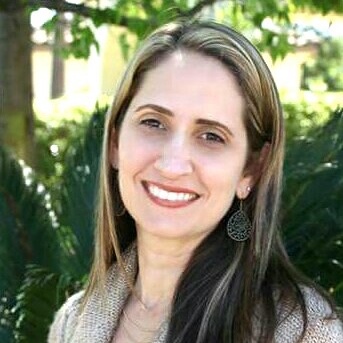
Psychologist & Author
Dr. Dawn DiRaimondo is a clinical psychologist in Sacramento, California. She lost her brother, Michael in 2004, while he was serving as a flight medic in Iraq. This life-changing experience deeply impacted both her personal life and career. Dr. Dawn specializes in grief and loss in her private practice and published her first book, "Surviving Sibling Loss: The Invisible Thread That Connects Us Through Life and Death" in 2020. Her other areas of clinical interest include seeing people with depression, anxiety, and ADHD.
